ZSI Researchers Spotlight Meghalaya’s Biodiversity With Two New Spider Findings

Researchers from the Zoological Survey of India have identified two previously unknown jumping spider species in Meghalaya, adding another chapter to the region’s reputation as one of the world's most significant biodiversity hotspots. The discovery of Asemonea dentis and Colyttus nongwar further strengthens scientific understanding of the diverse Salticidae family, a group known for its agile hunters distinguished by sharp vision and swift, calculated movements. The findings also highlight the growing need for systematic biological surveys across the Northeastern states, where vast ecological treasures remain insufficiently documented.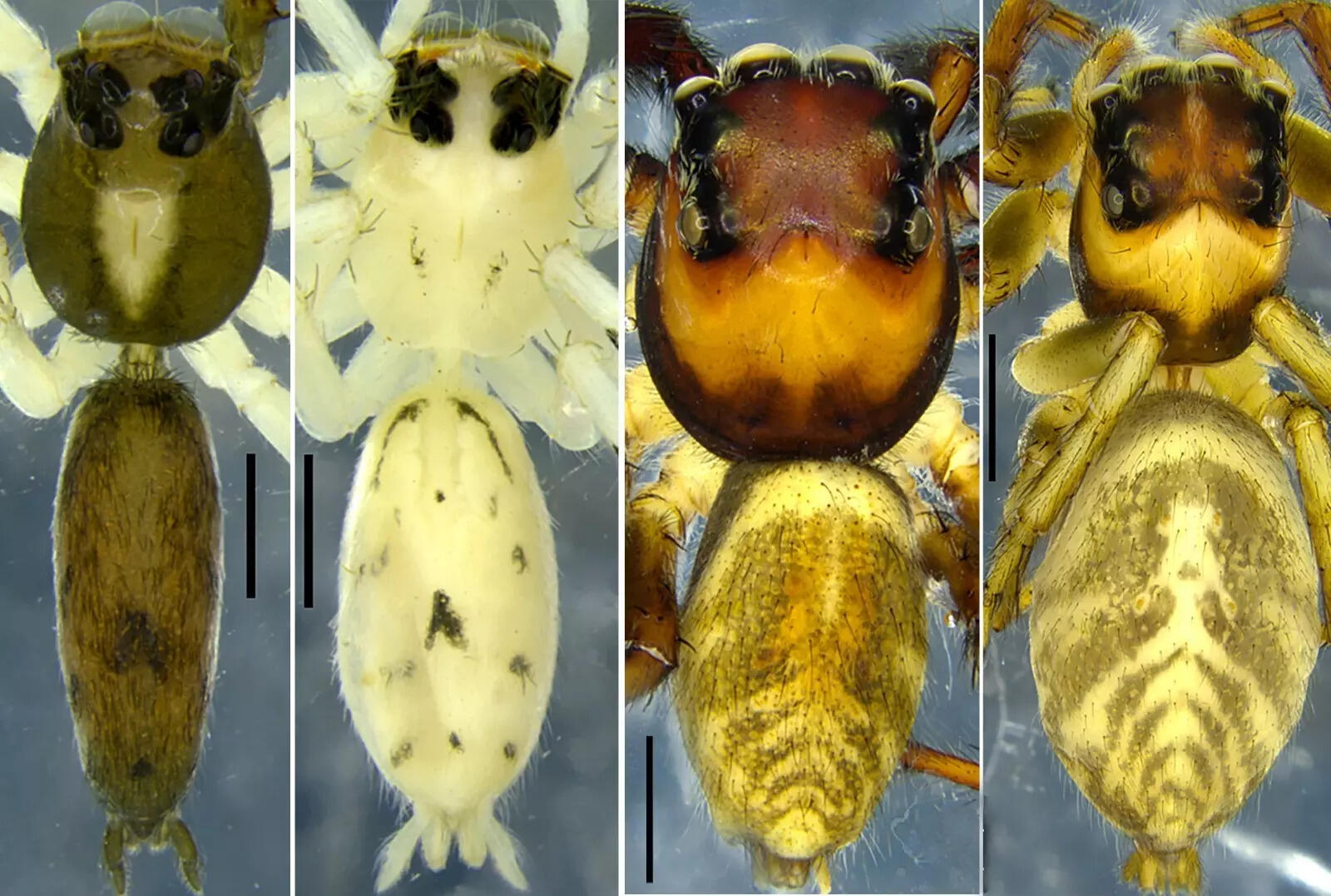
ZSI Director Dr. Dhriti Banerjee underscored the broader ecological importance, stating, “The findings like these underscores the need for more extensive surveys, especially in the Northeast, to document India’s vast and unique natural heritage. Meghalaya's forests, sacred groves, and cliffs are irreplaceable ecological assets.”
Image Courtesy: PIB
New Insights Into Asemonea dentis
One of the standout discoveries is Asemonea dentis, marking only the third time this genus has been recorded in India. The species is particularly notable for a tooth-like projection on the male’s palpal femur, an anatomical trait that inspired the name ‘dentis’. The species exhibits distinct sexual dimorphism, with males appearing greenish brown with a defined V-shaped pale-yellow marking on the abdomen, while females contrast this with a creamy-white body patterned with black. As members of a genus that remains largely unexplored in India, this addition brings fresh scientific value to ongoing taxonomic efforts.Distinctive Features Of Colyttus nongwar
The second species, Colyttus nongwar, emerges as the latest addition to the limited Indian representation of the Oriental genus Colyttus. Named after Nongwar village in Meghalaya, where it was discovered, the species is identifiable through its shared characteristics across sexes. Both males and females possess a reddish-brown oval carapace complemented by a light-brown abdomen. A creamy-white band at the front and five chevron-shaped white patches towards the posterior further distinguish this spider, making it a visually striking member of the Salticidae family.Reinforcing The Value Of Northeastern Ecosystems
The research team, led by Dr. Souvik Sen and Dr. Sudhin P. P., emphasised that these findings represent only a fraction of what the region has to offer. Dr Sen noted, "These discoveries are just a glimpse of the exceptional biodiversity of Northeast India". He added, "Very few systematic surveys have been carried out here, and many more species are undoubtedly waiting to be found."ZSI Director Dr. Dhriti Banerjee underscored the broader ecological importance, stating, “The findings like these underscores the need for more extensive surveys, especially in the Northeast, to document India’s vast and unique natural heritage. Meghalaya's forests, sacred groves, and cliffs are irreplaceable ecological assets.”
A Boost For Conservation And Taxonomy
The detailed scientific descriptions have been featured in the latest edition of Zootaxa, a respected journal dedicated to zoological taxonomy. According to ZSI, discoveries like these reaffirm the importance of continued field research, documentation and conservation in Meghalaya, often referred to as the 'abode of clouds'. The organisation encourages deeper exploration to preserve this rich ecological legacy and ensure that the region’s diverse life forms receive the scientific attention they deserve.Image Courtesy: PIB
Next Story