LPG Prices Updated on December 1: Commercial Cylinder Rates Fall, Domestic Prices Hold Steady

Oil companies revised LPG prices on December 1 with a small but notable change for commercial LPG users, while domestic LPG cylinder price levels stayed the same. The monthly LPG price revision matters to households and businesses because shifts in LPG cylinder price affect grocery bills, restaurant costs, and small industry operating expenses.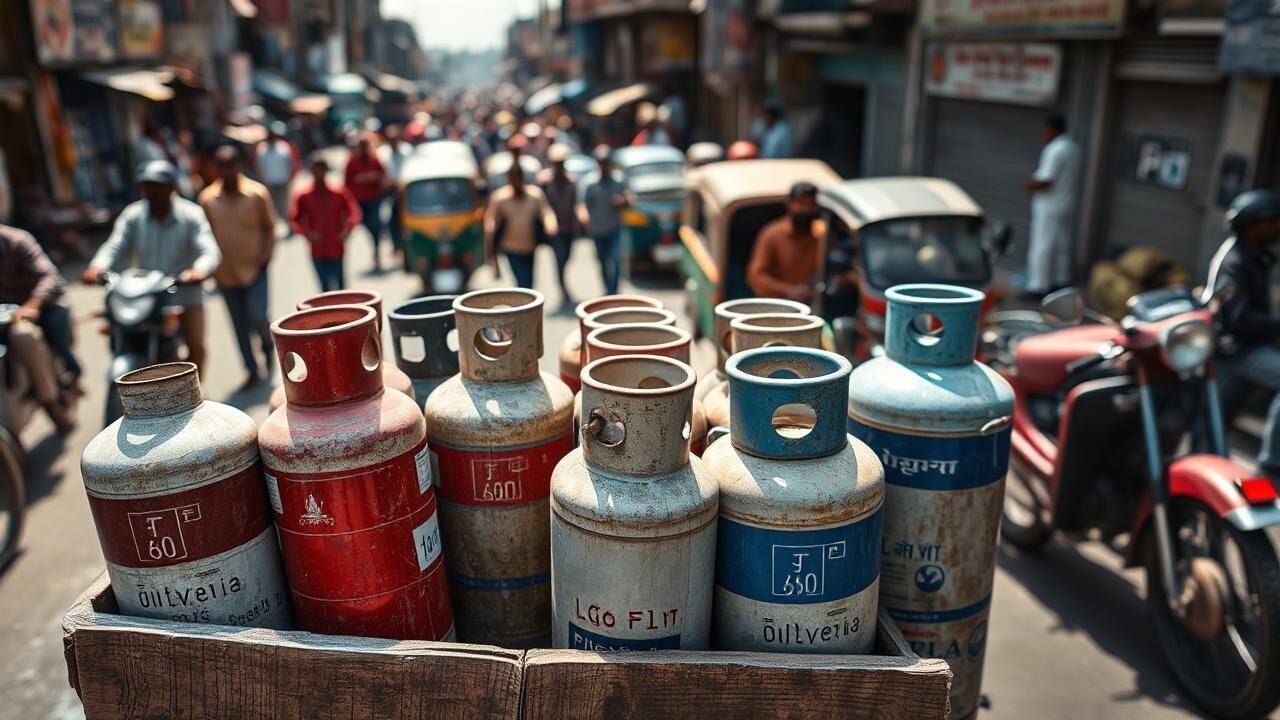
Commercial customers received a modest ₹10 cut in commercial LPG cylinder price s across several cities, changing the landscape of LPG prices for businesses. In Delhi a 19 kg commercial LPG cylinder now costs ₹1580.50, down from ₹1590.50, while Kolkata saw its commercial cylinder price drop to ₹1684 from ₹1694. Mumbai’s commercial LPG cylinder price moved to ₹1531.50, and Chennai’s commercial cylinder is now ₹1739.50.
Households will not see a change in their monthly outlay because domestic LPG cylinder price remained unchanged in this revision. For example, a 14.2 kg domestic LPG cylinder in Delhi is still ₹853 and in Mumbai it remains ₹852.50. Other regions show similar stability, with domestic LPG cylinder rates at ₹890.50 in Lucknow, ₹985.5 in Kargil, ₹969 in Pulwama, and ₹890.5 in Bageshwar.
Understanding how LPG prices are set helps make sense of these figures. Domestic and commercial LPG pricing starts from the Import Parity Price or IPP, which reflects international market rates, currency conversion, freight and taxes. The IPP is a key input in any LPG price revision and explains why global oil moves and the dollar-rupee exchange rate matter to the LPG cylinder price at home.
State-level differences in LPG prices show up because state VAT and local logistics add to the base LPG cylinder price. Transport costs and handling in remote areas push some domestic LPG rates higher, which is why places like Kargil and Pulwama have higher LPG prices compared with metropolitan centers.
Subsidies soften the burden of LPG prices for eligible consumers, with the government transferring the LPG subsidy amount directly to bank accounts. The subsidy, often connected to schemes like Ujjwala, reduces the effective domestic LPG cylinder price for targeted households and helps make clean cooking fuel affordable.
Oil companies perform a routine LPG price revision on the first of every month, and these updates influence more than just the LPG cylinder price. Regulatory changes tied to Aadhaar and financial rules sometimes roll out at month start and can interact with the subsidy and distribution process, affecting how consumers access the LPG subsidy and confirm their domestic LPG entitlement.
Global market dynamics play a big role in domestic LPG prices. International crude rates determine feedstock costs, while shipping and freight change the landed cost used in the Import Parity Price. Currency swings make imported commercial LPG and domestic LPG more or less expensive when converted into rupees, affecting the final LPG cylinder price.
For businesses the ₹10 reduction in commercial LPG cylinder price is welcome, as it cuts input costs for restaurants, hotels and small factories that rely on LPG. For households the unchanged domestic LPG price provides predictability in monthly budgeting, where stable LPG prices mean fewer surprises for family expenses.
Regional pricing differences in LPG prices highlight the complexity of distribution and taxation. Consumers in neighboring states can still see different LPG cylinder prices because state tax regimes and transportation logistics vary, which factors into every monthly LPG price revision.
In short, the December 1 price update kept domestic LPG rates steady while easing costs slightly for commercial LPG users. Whether you watch LPG prices for household budgeting or business planning, it helps to know that Import Parity Price, freight, exchange rates and taxes all feed into the LPG cylinder price, and that subsidy mechanisms aim to protect vulnerable sections from sudden changes.
Commercial customers received a modest ₹10 cut in
Households will not see a change in their monthly outlay because domestic LPG cylinder price remained unchanged in this revision. For example, a 14.2 kg domestic LPG cylinder in Delhi is still ₹853 and in Mumbai it remains ₹852.50. Other regions show similar stability, with domestic LPG cylinder rates at ₹890.50 in Lucknow, ₹985.5 in Kargil, ₹969 in Pulwama, and ₹890.5 in Bageshwar.
Understanding how LPG prices are set helps make sense of these figures. Domestic and commercial LPG pricing starts from the
State-level differences in LPG prices show up because state VAT and local logistics add to the base LPG cylinder price. Transport costs and handling in remote areas push some domestic LPG rates higher, which is why places like Kargil and Pulwama have higher LPG prices compared with metropolitan centers.
Subsidies soften the burden of LPG prices for eligible consumers, with the government transferring the LPG subsidy amount directly to bank accounts. The subsidy, often connected to schemes like Ujjwala, reduces the effective domestic LPG cylinder price for targeted households and helps make clean cooking fuel affordable.
Oil companies perform a routine LPG price revision on the first of every month, and these updates influence more than just the LPG cylinder price. Regulatory changes tied to Aadhaar and financial rules sometimes roll out at month start and can interact with the subsidy and distribution process, affecting how consumers access the LPG subsidy and confirm their domestic LPG entitlement.
Global market dynamics play a big role in domestic LPG prices. International crude rates determine feedstock costs, while shipping and freight change the landed cost used in the Import Parity Price. Currency swings make imported commercial LPG and domestic LPG more or less expensive when converted into rupees, affecting the final LPG cylinder price.
For businesses the ₹10 reduction in commercial LPG cylinder price is welcome, as it cuts input costs for restaurants, hotels and small factories that rely on LPG. For households the unchanged domestic LPG price provides predictability in monthly budgeting, where stable LPG prices mean fewer surprises for family expenses.
Regional pricing differences in LPG prices highlight the complexity of distribution and taxation. Consumers in neighboring states can still see different LPG cylinder prices because state tax regimes and transportation logistics vary, which factors into every monthly LPG price revision.
In short, the December 1 price update kept domestic LPG rates steady while easing costs slightly for commercial LPG users. Whether you watch LPG prices for household budgeting or business planning, it helps to know that Import Parity Price, freight, exchange rates and taxes all feed into the LPG cylinder price, and that subsidy mechanisms aim to protect vulnerable sections from sudden changes.
Next Story