
Why Mall Roads Are Found in Every Hill Station in India: The Fascinating History Behind Them

The Mall Road in India hill stations is more than just a busy marketplace - it is the soul of every mountain town. From the first step you take in places like Shimla or Manali, you are drawn towards this lively stretch filled with cafés, shops, colonial-era buildings and strolling tourists. But have you ever wondered why almost every hill station in India has a Mall Road? The answer lies in a rich mix of British colonial planning, geography, and evolving social culture.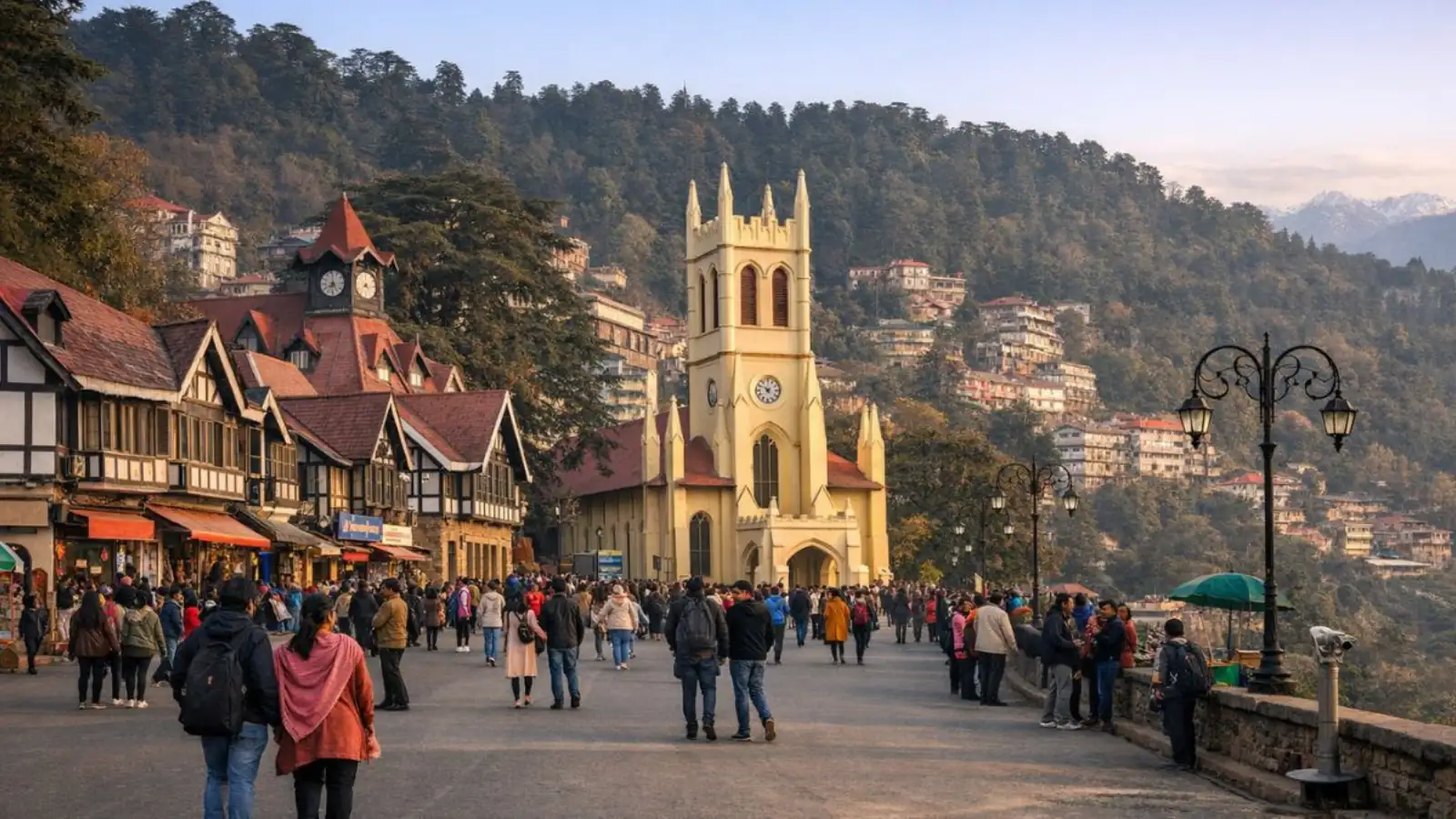
The Colonial Origins of Mall Road in India Hill Stations
The concept of Mall Road dates back to the 19th century during British rule in India. Hill stations were developed as summer retreats where British officers and their families could escape the intense heat of the plains.
Inspired by “The Mall” in London, these promenades were designed as elegant walking streets where the British elite could socialise, relax and enjoy scenic views. The roads were usually built along the most accessible and relatively flat part of the town, making them both practical and visually appealing.
Over time, these promenades became the central axis of the town, shaping how hill stations in India developed.
Geography Played a Crucial Role
Most Indian hill stations are built on steep slopes and uneven terrain. Flat land in such regions is rare and valuable.
To solve this challenge, planners concentrated social, commercial and administrative activities along one main stretch - what we now call Mall Road. This made it easier for residents and visitors to gather in one accessible location instead of navigating difficult mountain paths. Even today, Mall Roads remain the most convenient areas for shopping, dining and public events.
From Elite Promenade to Cultural Landmark
What began as an exclusive colonial walkway slowly transformed into a cultural hub for everyone. Evening strolls became a tradition. Families, couples and groups of friends gathered here not just to shop, but to experience the lively atmosphere. Mall Road turned into a social stage - a place to see and be seen.
This tradition continues across hill stations today, where tourists enjoy local snacks, shop for souvenirs and soak in the cool mountain breeze against a historic backdrop.
Famous Mall Roads Across Indian Hill Stations
Every hill station has its own unique version of Mall Road, each with a distinct personality:
Each of these Mall Roads reflects the town’s history while adapting to modern tourism trends.
Blending Colonial Charm with Modern Tourism
One reason why Mall Road in India hill stations remains so popular is its perfect balance of heritage and modern life. You’ll find traditional handicraft shops and woollen stores alongside trendy cafés and fast-food outlets. Street vendors sell roasted corn and momos, while old bakeries offer classic plum cakes and pastries.
The architecture often retains colonial features, adding nostalgic charm to a lively commercial setting. This fusion of old-world elegance and contemporary convenience keeps Mall Roads relevant even today.
Why Mall Road Remains the Heart of Every Hill Station
Mall Road is not just a road - it is the emotional and commercial centre of India’s hill stations.
Whether you are visiting for relaxation, shopping or scenic beauty, your hill station experience feels incomplete without a walk along the Mall Road. The story of Mall Road in India hill stations is a fascinating journey from colonial design to modern cultural icon. What began as an exclusive British promenade has evolved into a vibrant social and commercial lifeline of mountain towns.
So the next time you stroll along a Mall Road in Shimla or Darjeeling, remember - you are walking through layers of history, geography and tradition that shaped India’s most beloved hill stations.
The Colonial Origins of Mall Road in India Hill Stations
The concept of Mall Road dates back to the 19th century during British rule in India. Hill stations were developed as summer retreats where British officers and their families could escape the intense heat of the plains.
Inspired by “The Mall” in London, these promenades were designed as elegant walking streets where the British elite could socialise, relax and enjoy scenic views. The roads were usually built along the most accessible and relatively flat part of the town, making them both practical and visually appealing.
Over time, these promenades became the central axis of the town, shaping how hill stations in India developed.
Geography Played a Crucial Role
Most Indian hill stations are built on steep slopes and uneven terrain. Flat land in such regions is rare and valuable.
To solve this challenge, planners concentrated social, commercial and administrative activities along one main stretch - what we now call Mall Road. This made it easier for residents and visitors to gather in one accessible location instead of navigating difficult mountain paths. Even today, Mall Roads remain the most convenient areas for shopping, dining and public events.
From Elite Promenade to Cultural Landmark
What began as an exclusive colonial walkway slowly transformed into a cultural hub for everyone. Evening strolls became a tradition. Families, couples and groups of friends gathered here not just to shop, but to experience the lively atmosphere. Mall Road turned into a social stage - a place to see and be seen.
This tradition continues across hill stations today, where tourists enjoy local snacks, shop for souvenirs and soak in the cool mountain breeze against a historic backdrop.
Famous Mall Roads Across Indian Hill Stations
Every hill station has its own unique version of Mall Road, each with a distinct personality:
- Shimla – Known for its grand colonial buildings like Christ Church and Gaiety Theatre, this Mall Road offers sweeping valley views and timeless charm.
- Nainital – Running alongside the serene Naini Lake, this Mall Road is perfect for scenic evening walks.
- Darjeeling – Locally known as Chowrasta, it serves as a cultural meeting point with stunning Himalayan views.
- Mussoorie – Famous for its long-standing cafés and heritage shops that continue to attract generations of visitors.
Each of these Mall Roads reflects the town’s history while adapting to modern tourism trends.
Blending Colonial Charm with Modern Tourism
One reason why Mall Road in India hill stations remains so popular is its perfect balance of heritage and modern life. You’ll find traditional handicraft shops and woollen stores alongside trendy cafés and fast-food outlets. Street vendors sell roasted corn and momos, while old bakeries offer classic plum cakes and pastries.
The architecture often retains colonial features, adding nostalgic charm to a lively commercial setting. This fusion of old-world elegance and contemporary convenience keeps Mall Roads relevant even today.
Why Mall Road Remains the Heart of Every Hill Station
Mall Road is not just a road - it is the emotional and commercial centre of India’s hill stations.
- It offers the most accessible space in difficult terrain
- It serves as the main shopping and dining hub
- It preserves colonial history
- It continues the tradition of evening promenades
- It brings locals and tourists together
Whether you are visiting for relaxation, shopping or scenic beauty, your hill station experience feels incomplete without a walk along the Mall Road. The story of Mall Road in India hill stations is a fascinating journey from colonial design to modern cultural icon. What began as an exclusive British promenade has evolved into a vibrant social and commercial lifeline of mountain towns.
So the next time you stroll along a Mall Road in Shimla or Darjeeling, remember - you are walking through layers of history, geography and tradition that shaped India’s most beloved hill stations.
Next Story