
Why Many Learner Drivers Fail Their Licence Test And How To Avoid It

A driving licence is one of the most important documents for anyone planning to drive on public roads. Apart from being a legal requirement, it helps motorists avoid penalties and ensures compliance with traffic regulations.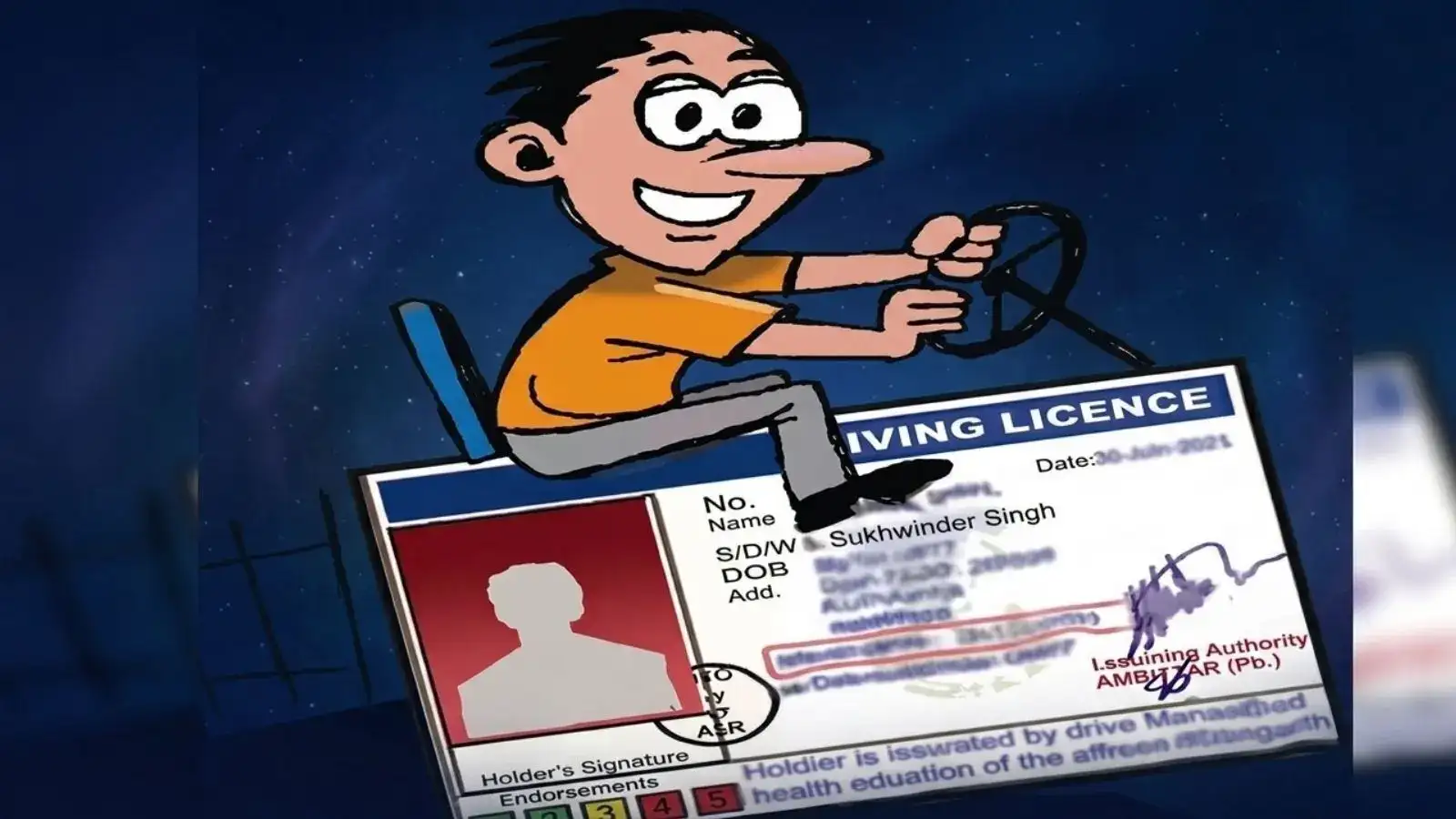
However, many applicants encounter unexpected setbacks while applying for a driving licence. Experts say that simple mistakes made during the application stage or practical driving test often result in delays, rejections or failed assessments.
With automated testing systems becoming increasingly common, even minor errors can have a significant impact on the outcome of an application.
Experts note that applicants often make spelling mistakes in their names, enter incorrect dates of birth or provide inaccurate address details. Such discrepancies can lead to immediate issues during document verification and may require corrections before the process can move forward.
Choosing the wrong vehicle category is another common problem. Some applicants mistakenly select a category that does not match the vehicle they intend to drive, leading to confusion and additional paperwork.
Authorities advise applicants to carefully review every detail before submitting the form to avoid unnecessary delays.
Applicants are required to upload identity proofs, address documents and other supporting paperwork in the prescribed format. Incorrect file formats, incomplete uploads or unclear scans can result in applications being placed on hold.
Experts recommend checking all uploaded documents carefully before submission. Ensuring that every document is valid, readable and correctly formatted can help streamline the approval process.
Taking a few extra minutes to verify documentation may save applicants from repeated visits and additional waiting periods.
Unlike traditional assessments that relied heavily on human observation, modern test tracks use cameras, sensors and automated monitoring systems. These technologies record every movement of the vehicle and assess performance with greater accuracy.
As a result, even minor driving mistakes can lead to immediate failure.
Applicants are often required to navigate specialised tracks designed to evaluate vehicle control and driving skills under controlled conditions.
Tasks such as driving in a figure-of-eight pattern, reversing through designated pathways and maintaining vehicle control on inclined surfaces are often considered the most challenging parts of the assessment.
Sensor-equipped tracks are particularly strict. If a vehicle touches boundary lines during the test, the automated system may instantly record the attempt as unsuccessful.
In addition to technical driving errors, many candidates lose marks because they forget basic safety procedures.
Failing to wear a seatbelt, neglecting to fasten a helmet strap or forgetting to use indicators while turning are among the most frequently reported mistakes.
Nervousness on test day often contributes to these oversights.
Practising key manoeuvres before the test can help applicants become more confident behind the wheel. Many instructors recommend rehearsing figure-of-eight and reverse-driving exercises in a safe environment or through a recognised driving school.
Familiarity with these movements can make a significant difference when faced with an automated assessment.
Applicants are also encouraged to review all documents before visiting the testing centre and ensure that identity and address proofs are readily available.
Experts advise candidates to remain focused, follow instructions carefully and avoid rushing through tasks. Paying attention to safety requirements, traffic signals and vehicle controls throughout the test can help prevent avoidable mistakes.
As driving tests become increasingly technology-driven, preparation and attention to detail are emerging as the keys to success. For applicants hoping to obtain a driving licence without delays, avoiding common errors during both the application and testing stages can make the process significantly smoother.
However, many applicants encounter unexpected setbacks while applying for a driving licence. Experts say that simple mistakes made during the application stage or practical driving test often result in delays, rejections or failed assessments.
With automated testing systems becoming increasingly common, even minor errors can have a significant impact on the outcome of an application.
Small Errors In Application Forms Can Create Big Problems
One of the most frequent reasons for delays is inaccurate information submitted during the application process.Experts note that applicants often make spelling mistakes in their names, enter incorrect dates of birth or provide inaccurate address details. Such discrepancies can lead to immediate issues during document verification and may require corrections before the process can move forward.
Choosing the wrong vehicle category is another common problem. Some applicants mistakenly select a category that does not match the vehicle they intend to drive, leading to confusion and additional paperwork.
Authorities advise applicants to carefully review every detail before submitting the form to avoid unnecessary delays.
Document Upload Issues Remain A Major Challenge
Documentation errors continue to be among the most common reasons for application complications.Applicants are required to upload identity proofs, address documents and other supporting paperwork in the prescribed format. Incorrect file formats, incomplete uploads or unclear scans can result in applications being placed on hold.
Experts recommend checking all uploaded documents carefully before submission. Ensuring that every document is valid, readable and correctly formatted can help streamline the approval process.
Taking a few extra minutes to verify documentation may save applicants from repeated visits and additional waiting periods.
Automated Driving Tests Demand Precision
The practical driving test has changed significantly in many cities due to the introduction of computerised testing systems.Unlike traditional assessments that relied heavily on human observation, modern test tracks use cameras, sensors and automated monitoring systems. These technologies record every movement of the vehicle and assess performance with greater accuracy.
As a result, even minor driving mistakes can lead to immediate failure.
Applicants are often required to navigate specialised tracks designed to evaluate vehicle control and driving skills under controlled conditions.
Common Reasons For Failing The Driving Test
Driving instructors point out that many candidates struggle with manoeuvres that require precision and concentration.Tasks such as driving in a figure-of-eight pattern, reversing through designated pathways and maintaining vehicle control on inclined surfaces are often considered the most challenging parts of the assessment.
Sensor-equipped tracks are particularly strict. If a vehicle touches boundary lines during the test, the automated system may instantly record the attempt as unsuccessful.
In addition to technical driving errors, many candidates lose marks because they forget basic safety procedures.
You may also like
- DK Shivakumar takes a bite of apple, throws them into crowd; video goes viral
- Lieutenant Commander Suraj Prashar awarded Shaurya Chakra for exceptional bravery
- Gadkari triggers final breakthrough of historic Zojila Tunnel
- 'Could have been murdered by contract killers if ...': Ex-TMC MP Sukhendu Sekhar Ray's big claim after quitting Mamata's party
- IRCTC to restart onboard cooking using induction stoves on trains
Failing to wear a seatbelt, neglecting to fasten a helmet strap or forgetting to use indicators while turning are among the most frequently reported mistakes.
Nervousness on test day often contributes to these oversights.
Preparation Can Improve Success Rates
Driving experts emphasise that preparation remains the most effective way to improve the chances of passing on the first attempt.Practising key manoeuvres before the test can help applicants become more confident behind the wheel. Many instructors recommend rehearsing figure-of-eight and reverse-driving exercises in a safe environment or through a recognised driving school.
Familiarity with these movements can make a significant difference when faced with an automated assessment.
Applicants are also encouraged to review all documents before visiting the testing centre and ensure that identity and address proofs are readily available.
Staying Calm Is Equally Important
While technical driving skills are essential, maintaining composure during the assessment can be just as important.Experts advise candidates to remain focused, follow instructions carefully and avoid rushing through tasks. Paying attention to safety requirements, traffic signals and vehicle controls throughout the test can help prevent avoidable mistakes.
As driving tests become increasingly technology-driven, preparation and attention to detail are emerging as the keys to success. For applicants hoping to obtain a driving licence without delays, avoiding common errors during both the application and testing stages can make the process significantly smoother.






More from our partners


Loving Newspoint? Download the app now
