
Budget-Friendly Fashion Secrets Every Smart Shopper Should Know

Looking fashionable is often associated with expensive brands, designer labels and constantly updating your wardrobe with the latest trends. However, great style has never been about how much money you spend. Some of the most stylish people are those who know how to make smart choices, mix pieces creatively and focus on quality rather than quantity. In fact, dressing well on a budget can often lead to better fashion decisions because it encourages thoughtful shopping instead of impulse buying. With rising living costs and increasing awareness about sustainable consumption, budget-friendly fashion has become more relevant than ever. The good news is that looking stylish does not require a luxury budget.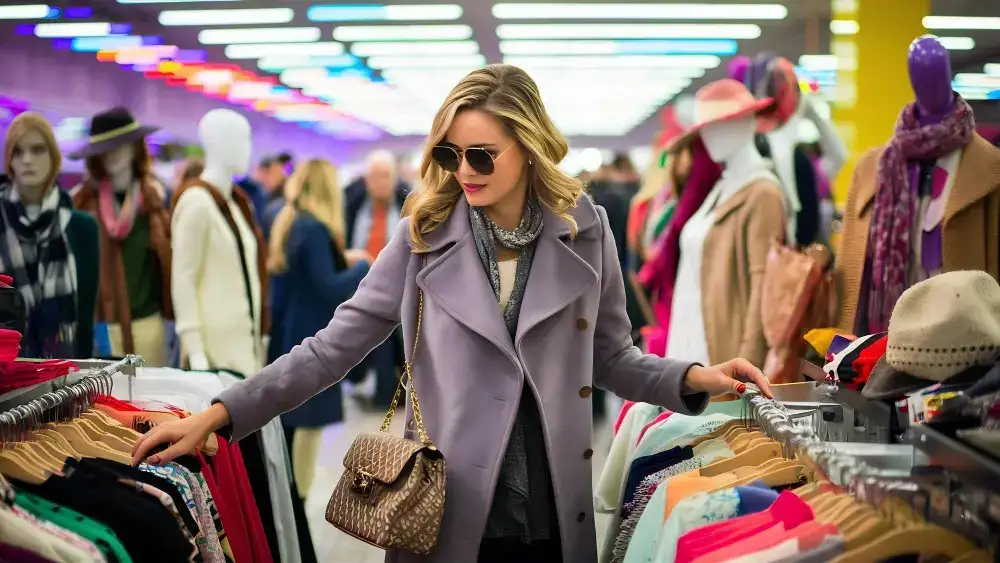
Many fashion icons built their signature looks using simple, affordable pieces. A well-fitted pair of jeans, a clean white shirt and classic footwear can often create a more polished appearance than a wardrobe full of expensive trend-driven items.
Fashion experts frequently point out that confidence, fit and personal taste matter far more than brand names.
Items such as neutral T-shirts, dark jeans, tailored trousers, white shirts and simple jackets provide endless outfit combinations. These basics form the backbone of a wardrobe and reduce the need for constant shopping.
When each item can be paired with several others, people naturally get more value from every purchase.
Understanding your body shape and choosing cuts that complement it can dramatically improve your overall appearance. Sometimes a small alteration from a local tailor can transform an average piece of clothing into something that looks custom-made.
Many professional stylists believe fit is one of the most overlooked aspects of fashion, especially among budget-conscious shoppers who focus only on price.
Buying winter coats at the end of winter or summer clothing after the summer season often results in major savings. This approach requires patience but allows shoppers to purchase higher-quality items at significantly reduced prices.
Experienced bargain hunters often plan purchases months in advance to take advantage of these opportunities.
Many high-quality garments that would normally be expensive can be found for a fraction of their original cost. In addition to saving money, buying second-hand clothing supports sustainability by extending the life of garments.
Interestingly, vintage fashion has become particularly popular among younger consumers looking for distinctive styles that stand out from mass-produced trends.
Before buying a new item, it helps to ask whether it can be paired with existing clothes and whether it will be worn regularly. If the answer is uncertain, it may not be worth purchasing.
Many financial experts recommend waiting at least 24 hours before making non-essential fashion purchases. This simple habit can prevent costly mistakes.
A basic outfit can appear fresh and stylish simply by changing accessories. This strategy allows people to create multiple looks without purchasing entirely new wardrobes.
Fashion stylists often describe accessories as one of the most cost-effective ways to enhance personal style.
Simple habits such as using proper hangers, avoiding excessive washing and polishing leather shoes can keep clothing looking newer for longer.
Many people replace clothes unnecessarily when basic maintenance could have added years to their usefulness.
Fast fashion contributes to significant textile waste worldwide. By purchasing fewer but more versatile items, consumers can reduce waste while saving money.
This shift reflects a broader movement towards conscious consumption and smarter spending.
Research has also shown that many people wear only a small percentage of their wardrobe regularly. This means thoughtful purchasing often delivers better value than constantly buying new clothes.
Interestingly, several luxury fashion trends have been inspired by vintage and second-hand styles that were once considered outdated.
Why Expensive Doesn't Always Mean Stylish
One of the biggest misconceptions in fashion is that higher prices automatically mean better style. While premium clothing may sometimes offer superior materials and craftsmanship, style itself comes from how clothes are worn and combined.Many fashion icons built their signature looks using simple, affordable pieces. A well-fitted pair of jeans, a clean white shirt and classic footwear can often create a more polished appearance than a wardrobe full of expensive trend-driven items.
Fashion experts frequently point out that confidence, fit and personal taste matter far more than brand names.
Focus on Building a Strong Foundation
A budget-friendly wardrobe starts with versatile essentials that can be worn in multiple ways. Instead of chasing every trend, it makes sense to invest in pieces that work across different occasions.Items such as neutral T-shirts, dark jeans, tailored trousers, white shirts and simple jackets provide endless outfit combinations. These basics form the backbone of a wardrobe and reduce the need for constant shopping.
When each item can be paired with several others, people naturally get more value from every purchase.
Learn the Importance of Proper Fit
Even affordable clothing can look expensive when it fits well. Poorly fitted garments often appear less polished regardless of their price.Understanding your body shape and choosing cuts that complement it can dramatically improve your overall appearance. Sometimes a small alteration from a local tailor can transform an average piece of clothing into something that looks custom-made.
Many professional stylists believe fit is one of the most overlooked aspects of fashion, especially among budget-conscious shoppers who focus only on price.
Shop During Seasonal Sales
Timing can make a significant difference when shopping for clothes. Retailers frequently offer substantial discounts during end-of-season clearances, festive sales and inventory reductions.Buying winter coats at the end of winter or summer clothing after the summer season often results in major savings. This approach requires patience but allows shoppers to purchase higher-quality items at significantly reduced prices.
Experienced bargain hunters often plan purchases months in advance to take advantage of these opportunities.
Consider Second-Hand and Vintage Fashion
The growing popularity of second-hand shopping has changed how many people approach fashion. Charity shops, vintage stores and online resale platforms offer access to unique clothing at affordable prices.Many high-quality garments that would normally be expensive can be found for a fraction of their original cost. In addition to saving money, buying second-hand clothing supports sustainability by extending the life of garments.
Interestingly, vintage fashion has become particularly popular among younger consumers looking for distinctive styles that stand out from mass-produced trends.
Avoid Impulse Purchases
Impulse buying is one of the fastest ways to waste money on clothing that rarely gets worn. Attractive discounts and limited-time offers often encourage shoppers to make unnecessary purchases.Before buying a new item, it helps to ask whether it can be paired with existing clothes and whether it will be worn regularly. If the answer is uncertain, it may not be worth purchasing.
Many financial experts recommend waiting at least 24 hours before making non-essential fashion purchases. This simple habit can prevent costly mistakes.
Accessorise Strategically
Accessories can completely transform an outfit without requiring major spending. Scarves, watches, belts, handbags and jewellery add personality and variety to simple clothing.A basic outfit can appear fresh and stylish simply by changing accessories. This strategy allows people to create multiple looks without purchasing entirely new wardrobes.
Fashion stylists often describe accessories as one of the most cost-effective ways to enhance personal style.
Take Care of Your Clothes
Maintaining clothing properly can significantly extend its lifespan. Following washing instructions, storing garments correctly and repairing minor damage early can prevent premature wear.Simple habits such as using proper hangers, avoiding excessive washing and polishing leather shoes can keep clothing looking newer for longer.
Many people replace clothes unnecessarily when basic maintenance could have added years to their usefulness.
Why Budget-Friendly Fashion Matters Today
Rising inflation and growing environmental concerns have encouraged consumers to rethink their shopping habits. Budget-friendly fashion supports both financial responsibility and sustainable living.Fast fashion contributes to significant textile waste worldwide. By purchasing fewer but more versatile items, consumers can reduce waste while saving money.
This shift reflects a broader movement towards conscious consumption and smarter spending.
Lesser-Known Facts About Affordable Fashion
Some of the world's most influential fashion trends began as practical solutions for ordinary people rather than luxury consumers. Denim jeans, for example, were originally designed as durable workwear.Research has also shown that many people wear only a small percentage of their wardrobe regularly. This means thoughtful purchasing often delivers better value than constantly buying new clothes.
Interestingly, several luxury fashion trends have been inspired by vintage and second-hand styles that were once considered outdated.
Next Story