
Health Benefits Of Betel Leaves: Are Paan Leaves Good For You?

Betel leaves have been part of Indian traditions for generations. Whether used in religious ceremonies, weddings, Ayurvedic remedies, or as an after-meal paan, these aromatic green leaves hold a special place in Indian culture.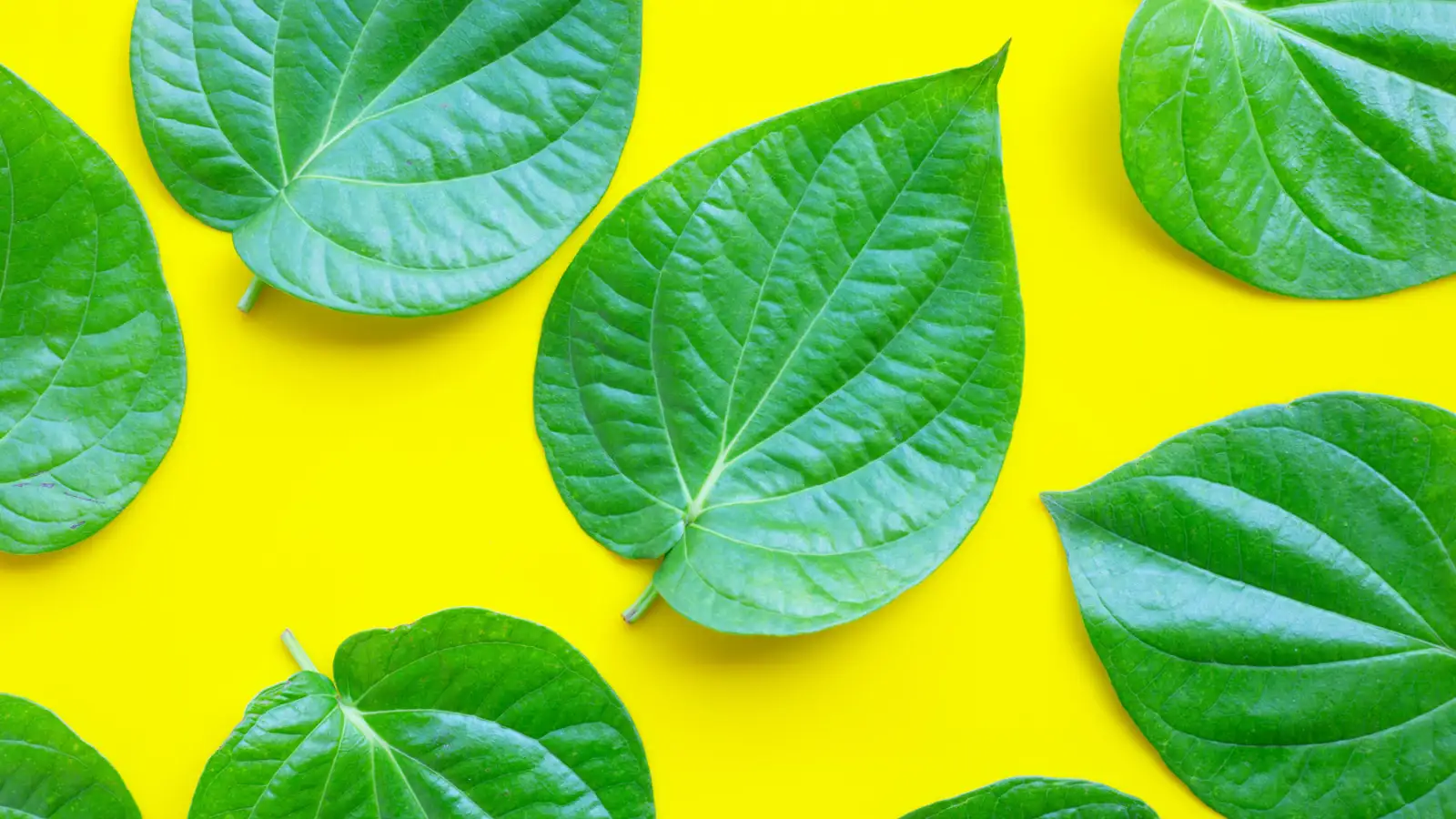
However, as health awareness grows, many people are asking an important question: Are betel leaves actually healthy?
The answer depends on how they are consumed. While plain betel leaves may offer several health benefits, the addition of tobacco, areca nut (supari), and excessive lime can significantly alter their effects. Understanding this distinction is key to making informed dietary choices.
These heart-shaped leaves are known for their distinctive aroma and slightly peppery taste. They are commonly used in:
Also Read: Why Moringa Leaves Are A Summer Superfood: 9 Tasty Ways To Enjoy Them
Betel leaves contain:
Traditional Ayurvedic practices suggest that chewing plain betel leaves after meals may help stimulate digestive enzymes and increase saliva production. This can contribute to better digestion and reduced feelings of bloating.
This digestive benefit is one reason paan became a long-standing post-meal tradition in many Indian households.
Many people use plain paan as a natural mouth freshener because it can help:
Antioxidants help combat free radicals, unstable molecules that can damage cells and contribute to oxidative stress.
The polyphenols and plant compounds present in betel leaves may support:
Common traditional practices include:
Some research suggests that these compounds may help inhibit the growth of certain bacteria and microorganisms, although more studies are needed to fully understand their effects.
The health effects of plain betel leaves should not be confused with those of commercial paan products.
According to global health authorities, regular use of these ingredients may increase the risk of:
Studies have explored their:
Importantly, research clearly separates plain betel leaves from tobacco and areca nut products.
Popular options include:
Many cafés and restaurants are also introducing innovative herbal paan desserts and fusion creations.
Historical records show that betel leaves were also used in royal courts and cultural ceremonies throughout South and Southeast Asia.
However, it is crucial to distinguish between plain betel leaves and paan products that contain tobacco, areca nut, or excessive lime. While the leaves themselves may offer certain health advantages, harmful additives can dramatically increase health risks.
When enjoyed in moderation and prepared without tobacco or supari, betel leaves can continue to serve as a fascinating part of India's culinary, cultural, and Ayurvedic heritage. Understanding how they are consumed is the key to making healthier and more informed choices.
However, as health awareness grows, many people are asking an important question: Are betel leaves actually healthy?
The answer depends on how they are consumed. While plain betel leaves may offer several health benefits, the addition of tobacco, areca nut (supari), and excessive lime can significantly alter their effects. Understanding this distinction is key to making informed dietary choices.
What Are Betel Leaves?
Betel leaves come from the Piper betle plant, a tropical vine widely cultivated across India and Southeast Asia.These heart-shaped leaves are known for their distinctive aroma and slightly peppery taste. They are commonly used in:
- Traditional paan
- Ayurvedic remedies
- Herbal preparations
- Religious rituals
- Mouth fresheners
- Banarasi Paan
- Maghai Paan
- Calcutta Paan
- Sanchi Paan
Also Read: Why Moringa Leaves Are A Summer Superfood: 9 Tasty Ways To Enjoy Them
Betel Leaves Nutrition : What Do They Contain?
The growing interest in betel leaves nutrition comes from their rich profile of plant compounds and nutrients.Betel leaves contain:
- Vitamin C
- Calcium
- Potassium
- Fibre
- Essential oils
- Natural antioxidants
- Eugenol
- Chavicol
- Hydroxychavicol
- Polyphenols
Health Benefits of Betel Leaves
1. May Support Digestion
One of the most recognised betel leaf uses is aiding digestion.Traditional Ayurvedic practices suggest that chewing plain betel leaves after meals may help stimulate digestive enzymes and increase saliva production. This can contribute to better digestion and reduced feelings of bloating.
This digestive benefit is one reason paan became a long-standing post-meal tradition in many Indian households.
2. Helps Freshen Breath Naturally
Betel leaves contain essential oils and natural antibacterial compounds that may help support oral hygiene.Many people use plain paan as a natural mouth freshener because it can help:
- Reduce bad breath
- Stimulate saliva flow
- Promote a cleaner mouth environment
3. Rich in Antioxidants
Among the most valuable health benefits of betel leaves is their antioxidant content.Antioxidants help combat free radicals, unstable molecules that can damage cells and contribute to oxidative stress.
The polyphenols and plant compounds present in betel leaves may support:
- Cellular protection
- Overall wellness
- Healthy ageing
4. Traditional Remedy for Cough and Congestion
In many Indian households, warm betel leaves have traditionally been used to support respiratory comfort.Common traditional practices include:
- Applying warm betel leaves externally
- Preparing herbal infusions
- Combining betel leaves with honey and spices
5. May Have Antimicrobial Properties
Scientific studies have explored the antimicrobial activity of compounds found in betel leaves.Some research suggests that these compounds may help inhibit the growth of certain bacteria and microorganisms, although more studies are needed to fully understand their effects.
Are Betel Leaves Actually Healthy?
This is where confusion often arises.The health effects of plain betel leaves should not be confused with those of commercial paan products.
Plain Betel Leaves
Plain betel leaves may provide:- Antioxidants
- Digestive support
- Natural antimicrobial compounds
- Oral freshness
Harmful Additives
The major health concerns associated with paan come from ingredients such as:- Tobacco
- Areca nut (supari)
- Excess slaked lime
Understanding the Risks of Tobacco and Supari
Medical research has repeatedly linked tobacco and areca nut consumption with serious health concerns.According to global health authorities, regular use of these ingredients may increase the risk of:
- Oral cancer
- Gum disease
- Tooth decay
- Oral submucous fibrosis
- Addiction
Possible Side Effects of Betel Leaves
Although generally considered safe when consumed in moderation, excessive intake of betel leaves may cause:- Mouth irritation
- Acidity
- Digestive discomfort
- Tooth staining
- Mild burning sensations
What Does Scientific Research Say?
Interest in betel leaves health benefits continues to grow among researchers.Studies have explored their:
- Antioxidant potential
- Antimicrobial properties
- Anti-inflammatory activity
- Traditional medicinal applications
Importantly, research clearly separates plain betel leaves from tobacco and areca nut products.
Healthier Ways to Enjoy Betel Leaves
Modern consumers are discovering new ways to incorporate betel leaves into their diets without harmful additives.Popular options include:
Herbal Paan
Prepared without tobacco or supari.Betel Leaf Tea
A warming herbal drink made from fresh leaves.Betel Leaf Chutney
A flavourful accompaniment rich in aromatic compounds.Detox Drinks
Betel leaves are increasingly used in wellness beverages.Plain Leaves After Meals
A simple traditional approach to enjoying betel leaves for digestion .Many cafés and restaurants are also introducing innovative herbal paan desserts and fusion creations.
The Cultural Significance of Betel Leaves
Beyond their nutritional and medicinal value, betel leaves remain deeply rooted in Indian traditions.You may also like
- Do you also post photos of children on social media? The police advise against sharing these details..
- If you want free electricity, take advantage of this scheme; you will get up to 125 units for free..
- If you have the skills, you will get Rs 200 along with training. Take advantage of this scheme today..
- Rare yellow puffball mushroom found in Arunachal
- This is the longest commercial flight in the world, and it lasts nearly….
Religious Importance
Betel leaves are commonly offered during Hindu prayers and temple rituals as symbols of purity and prosperity.Wedding Traditions
In many regions, paan plays an important role in wedding ceremonies and auspicious occasions.Hospitality and Social Customs
Serving paan after meals has long been regarded as a gesture of respect and hospitality.Historical records show that betel leaves were also used in royal courts and cultural ceremonies throughout South and Southeast Asia.
Final Thoughts
The health benefits of betel leaves stem from their rich content of antioxidants, essential oils, and beneficial plant compounds. Traditional practices and emerging research suggest that plain betel leaves may support digestion, oral freshness, respiratory comfort, and overall wellness.However, it is crucial to distinguish between plain betel leaves and paan products that contain tobacco, areca nut, or excessive lime. While the leaves themselves may offer certain health advantages, harmful additives can dramatically increase health risks.
When enjoyed in moderation and prepared without tobacco or supari, betel leaves can continue to serve as a fascinating part of India's culinary, cultural, and Ayurvedic heritage. Understanding how they are consumed is the key to making healthier and more informed choices.






More from our partners


Loving Newspoint? Download the app now
