
How To Decorate Your Home With Minimalism Without Losing Comfort And Style

In a world filled with constant distractions and overflowing possessions, many homeowners are turning to minimalism as a way to create a more peaceful and organised living environment. Minimalist home decor focuses on simplicity, functionality and intentional design. Rather than filling every corner with furniture and decorative items, minimalism encourages people to choose pieces that add value and purpose to their lives. The result is a home that feels spacious, calming and welcoming. Whether you are redesigning an entire property or simply refreshing a room, adopting minimalist interior design principles can transform your space into a sanctuary of comfort and balance. Here are 10 practical tips to help you embrace the essence of minimalism while maintaining style and personality.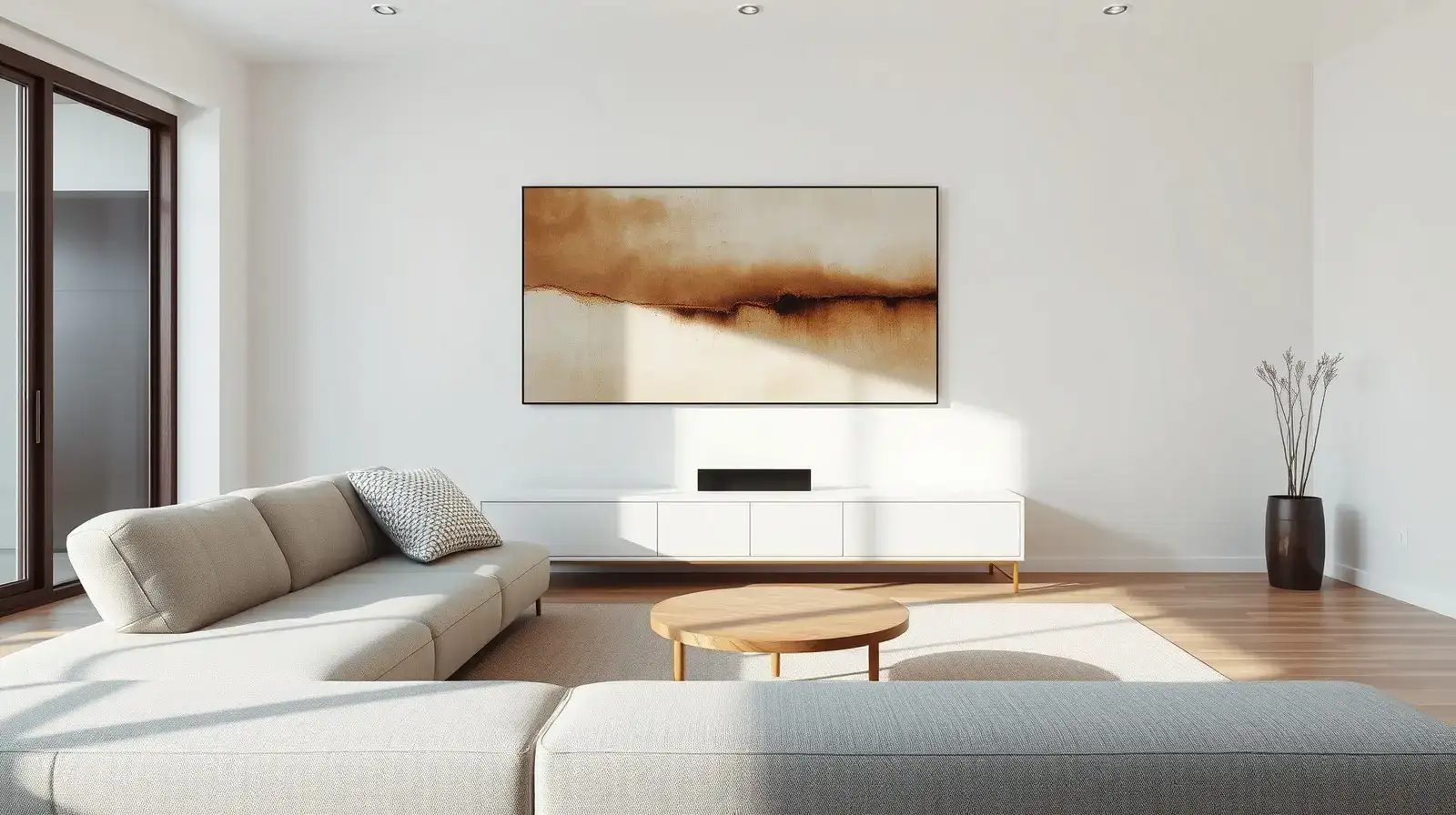
Sort belongings into categories and identify items that no longer serve a purpose. Donate, recycle or store anything that creates visual clutter. A clutter-free home instantly feels larger, cleaner and more relaxing.
Remember that minimalism is not about owning nothing. It is about keeping only what adds value to your daily life.
These colours reflect light effectively, making rooms feel brighter and more spacious. You can add subtle variations through textures and materials rather than relying on bold colour contrasts.
A neutral backdrop also allows furniture and architectural details to stand out naturally.
Consider multifunctional furniture such as storage ottomans, extendable dining tables or beds with built-in storage. These practical solutions help maintain organisation while reducing unnecessary clutter.
Selecting durable and timeless furniture can also reduce the need for frequent replacements.
Furniture with sleek silhouettes creates a sense of order and visual harmony. Avoid overly ornate designs or excessive decorative details that may overwhelm a space.
Simple shapes contribute to a modern home decor aesthetic while maintaining elegance and sophistication.
Keep windows unobstructed where possible and opt for light curtains or sheer fabrics that allow sunlight to enter. Mirrors can also help reflect light throughout a room, enhancing the sense of space.
A well-lit home naturally supports the minimalist goal of creating a peaceful atmosphere.
A single artwork, a handcrafted vase or a cherished family photograph can become a focal point without overwhelming the room.
The key is to select decorative items intentionally rather than accumulating them over time.
Natural materials such as wood, stone, linen, cotton and wool add warmth and character while maintaining simplicity. Layering textures can prevent a minimalist space from feeling cold or sterile.
A soft rug, textured cushions or a wooden coffee table can create visual interest without adding clutter.
Use built-in cabinets, floating shelves and concealed storage options to keep belongings organised. Storage baskets and containers can also help maintain a tidy appearance.
Having a designated place for everything makes it easier to preserve a minimalist lifestyle.
Choose a few well-placed indoor plants rather than creating a crowded indoor garden. Species with simple shapes and clean lines often complement minimalist aesthetics particularly well.
Plants can improve the overall ambience while strengthening the connection between indoor and outdoor environments.
Allowing room for openness creates balance and helps the eye rest. Open spaces make a home feel larger and contribute to a sense of calm and order.
When decorating, resist the temptation to continually add more items. Sometimes less truly is more.
The beauty of minimalist home decor lies in its adaptability. Whether you live in a compact apartment or a spacious house, these principles can help you design a home that feels timeless, elegant and easy to maintain. By following these 10 decorating tips, you can create a living environment that reflects simplicity, clarity and purpose while still expressing your unique personality.
Start By Decluttering Every Room
The foundation of minimalism begins with removing unnecessary items. Before purchasing new furniture or decorative accessories, take time to assess what you already own.Sort belongings into categories and identify items that no longer serve a purpose. Donate, recycle or store anything that creates visual clutter. A clutter-free home instantly feels larger, cleaner and more relaxing.
Remember that minimalism is not about owning nothing. It is about keeping only what adds value to your daily life.
Choose A Neutral Colour Palette
Colour plays a significant role in minimalist home decor. Neutral shades such as white, beige, cream, grey and soft earth tones help create a calm and cohesive appearance.These colours reflect light effectively, making rooms feel brighter and more spacious. You can add subtle variations through textures and materials rather than relying on bold colour contrasts.
A neutral backdrop also allows furniture and architectural details to stand out naturally.
Invest In Functional Furniture
Minimalism prioritises quality over quantity. Instead of filling a room with multiple furniture pieces, choose items that serve a clear purpose.Consider multifunctional furniture such as storage ottomans, extendable dining tables or beds with built-in storage. These practical solutions help maintain organisation while reducing unnecessary clutter.
Selecting durable and timeless furniture can also reduce the need for frequent replacements.
Focus On Clean Lines And Simple Shapes
One of the key characteristics of minimalist interior design is the use of clean lines and uncomplicated forms.Furniture with sleek silhouettes creates a sense of order and visual harmony. Avoid overly ornate designs or excessive decorative details that may overwhelm a space.
Simple shapes contribute to a modern home decor aesthetic while maintaining elegance and sophistication.
Let Natural Light Take Centre Stage
Natural light is a powerful design element in minimalist homes. Bright, airy spaces often feel more open and inviting.Keep windows unobstructed where possible and opt for light curtains or sheer fabrics that allow sunlight to enter. Mirrors can also help reflect light throughout a room, enhancing the sense of space.
A well-lit home naturally supports the minimalist goal of creating a peaceful atmosphere.
Incorporate Meaningful Decorative Elements
Minimalism does not mean eliminating all decorations. Instead, focus on displaying a few carefully chosen pieces that have personal significance or visual impact.A single artwork, a handcrafted vase or a cherished family photograph can become a focal point without overwhelming the room.
The key is to select decorative items intentionally rather than accumulating them over time.
Embrace Quality Materials And Textures
Without excessive ornamentation, materials and textures become essential components of minimalist home decor.Natural materials such as wood, stone, linen, cotton and wool add warmth and character while maintaining simplicity. Layering textures can prevent a minimalist space from feeling cold or sterile.
A soft rug, textured cushions or a wooden coffee table can create visual interest without adding clutter.
Create Smart Storage Solutions
Effective storage is crucial for maintaining a clutter-free home. Even the most beautifully designed room can lose its appeal if everyday items are left scattered around.Use built-in cabinets, floating shelves and concealed storage options to keep belongings organised. Storage baskets and containers can also help maintain a tidy appearance.
Having a designated place for everything makes it easier to preserve a minimalist lifestyle.
Bring Nature Indoors
Plants are a popular feature in minimalist interior design because they introduce life, colour and freshness without overwhelming a space.Choose a few well-placed indoor plants rather than creating a crowded indoor garden. Species with simple shapes and clean lines often complement minimalist aesthetics particularly well.
Plants can improve the overall ambience while strengthening the connection between indoor and outdoor environments.
Prioritise Open Space
One of the most overlooked aspects of minimalism is the importance of empty space. Not every surface, shelf or corner needs to be filled.Allowing room for openness creates balance and helps the eye rest. Open spaces make a home feel larger and contribute to a sense of calm and order.
When decorating, resist the temptation to continually add more items. Sometimes less truly is more.
Minimalism As A Long-Term Lifestyle Choice
Minimalism extends beyond decorating trends and design preferences. It encourages a more thoughtful approach to consumption, organisation and daily living. By focusing on quality, functionality and intentional choices, homeowners can create spaces that support both comfort and wellbeing.The beauty of minimalist home decor lies in its adaptability. Whether you live in a compact apartment or a spacious house, these principles can help you design a home that feels timeless, elegant and easy to maintain. By following these 10 decorating tips, you can create a living environment that reflects simplicity, clarity and purpose while still expressing your unique personality.
Next Story