
How To Identify Contaminated Ice Cubes Before They Affect Your Health

How To Detect Contaminated Ice Cubes : Ice cubes are commonly added to drinks without a second thought. Whether at home, restaurants or parties, people often assume that ice is perfectly safe because it is frozen. However, contaminated ice cubes can sometimes contain bacteria, dirt, chemicals or unpleasant odours that may affect both taste and health.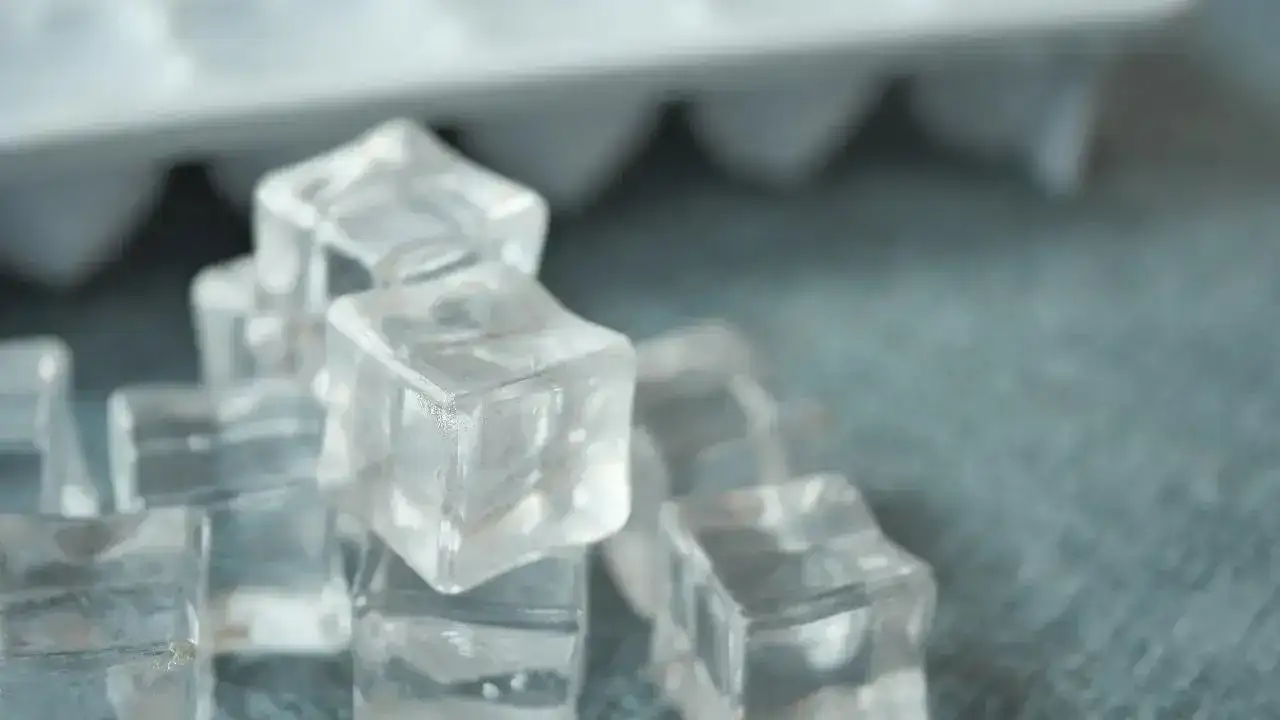
Since ice is made from water, any impurities present in the water or storage process can remain trapped inside the cubes. Poor hygiene during handling or improper freezer maintenance can also lead to contamination. In many cases, the signs are subtle and easy to miss.
Learning how to identify unsafe ice cubes is important for maintaining good food hygiene and preventing avoidable health problems.
If the ice has unusual particles, strange colours or visible dirt trapped inside, it should not be consumed. Tiny black spots, yellowish shades or floating impurities can indicate contamination from dirty trays, unclean water or freezer residue.
Cloudy ice alone is not always dangerous, as trapped air bubbles often create a white appearance. However, extremely murky ice combined with other warning signs may indicate poor-quality water or unhygienic conditions.
Ice can absorb smells from nearby foods stored in freezers. If the freezer contains uncovered seafood, raw meat, onions or spoiled food, the ice may pick up those odours.
A chemical smell could suggest contamination from cleaning products or improper freezer maintenance. In such cases, the ice should be discarded immediately.
Using contaminated ice cubes in drinks may affect both flavour and safety, especially if harmful bacteria are involved.
Old ice stored for long periods can also develop unpleasant flavours due to freezer odours and contamination. Fresh ice should taste neutral and clean.
If a drink suddenly develops a strange taste after adding ice, it is safer not to continue consuming it.
Dirty ice trays can collect bacteria, mould or freezer residue over time. Cracks in trays may also trap dirt that becomes difficult to clean properly.
Automatic ice machines require regular maintenance as well. Without cleaning, mould, slime or mineral build-up may develop inside the machine.
Checking trays and ice makers regularly is an important part of ice cube hygiene . Any slimy surfaces, discolouration or unpleasant smell around the equipment should be treated as a warning sign.
Strong freezer odours often transfer directly into uncovered ice. Frost build-up and dirty shelves may also indicate poor cleaning habits.
Storing ice cubes in sealed containers instead of open trays can help protect them from absorbing unwanted smells and particles.
Regular freezer cleaning is one of the simplest food safety tips for maintaining clean ice cubes at home.
If ice cubes appear unusually cloudy, smell odd or melt into dirty-looking water, it may be better to avoid using them.
Travellers are often advised to be cautious with ice in places where water quality is uncertain. Since freezing does not necessarily kill all bacteria or viruses, contaminated water can remain unsafe even after turning into ice.
Filtered water often produces clearer and cleaner ice cubes while reducing unwanted odours and impurities.
Ice trays should be washed regularly with warm water and mild soap to remove bacteria or freezer residue. Hands should also be clean while handling ice to prevent contamination.
Children, older adults and people with weaker immune systems may be especially vulnerable to foodborne illnesses caused by poor hygiene.
Simple habits such as cleaning freezers, covering ice trays and checking for unusual smells or colours can make a significant difference.
By staying alert to warning signs and following proper hygiene practices, people can enjoy cold drinks safely while reducing the risk of hidden contamination.
Since ice is made from water, any impurities present in the water or storage process can remain trapped inside the cubes. Poor hygiene during handling or improper freezer maintenance can also lead to contamination. In many cases, the signs are subtle and easy to miss.
Learning how to identify unsafe ice cubes is important for maintaining good food hygiene and preventing avoidable health problems.
Check The Appearance Carefully
One of the easiest ways to detect contaminated ice cubes is by observing their appearance. Clean ice cubes are generally clear or slightly cloudy depending on the water quality and freezing method.If the ice has unusual particles, strange colours or visible dirt trapped inside, it should not be consumed. Tiny black spots, yellowish shades or floating impurities can indicate contamination from dirty trays, unclean water or freezer residue.
Cloudy ice alone is not always dangerous, as trapped air bubbles often create a white appearance. However, extremely murky ice combined with other warning signs may indicate poor-quality water or unhygienic conditions.
Smell The Ice Before Use
Ice cubes should ideally have no smell at all. A strong or unpleasant odour is often a major warning sign.Ice can absorb smells from nearby foods stored in freezers. If the freezer contains uncovered seafood, raw meat, onions or spoiled food, the ice may pick up those odours.
A chemical smell could suggest contamination from cleaning products or improper freezer maintenance. In such cases, the ice should be discarded immediately.
Using contaminated ice cubes in drinks may affect both flavour and safety, especially if harmful bacteria are involved.
Taste Can Reveal Problems
Sometimes contaminated ice cubes become noticeable only after they begin melting in a drink. If the water tastes metallic, stale, bitter or unusual, the ice may have been prepared using poor-quality water.Old ice stored for long periods can also develop unpleasant flavours due to freezer odours and contamination. Fresh ice should taste neutral and clean.
If a drink suddenly develops a strange taste after adding ice, it is safer not to continue consuming it.
Examine The Ice Tray Or Ice Machine
Contamination often begins not with the water itself but with the equipment used to make ice.Dirty ice trays can collect bacteria, mould or freezer residue over time. Cracks in trays may also trap dirt that becomes difficult to clean properly.
Automatic ice machines require regular maintenance as well. Without cleaning, mould, slime or mineral build-up may develop inside the machine.
Checking trays and ice makers regularly is an important part of ice cube hygiene . Any slimy surfaces, discolouration or unpleasant smell around the equipment should be treated as a warning sign.
Watch For Freezer Hygiene Issues
The condition of the freezer plays a major role in keeping ice safe. A poorly maintained freezer can expose ice cubes to contamination from leaking food, spills or bacterial growth.Strong freezer odours often transfer directly into uncovered ice. Frost build-up and dirty shelves may also indicate poor cleaning habits.
Storing ice cubes in sealed containers instead of open trays can help protect them from absorbing unwanted smells and particles.
Regular freezer cleaning is one of the simplest food safety tips for maintaining clean ice cubes at home.
Pay Attention Outside Home
Ice contamination risks may sometimes increase in crowded public places where hygiene standards are inconsistent. Restaurants, street vendors and events may use improperly filtered water or poorly maintained ice machines.If ice cubes appear unusually cloudy, smell odd or melt into dirty-looking water, it may be better to avoid using them.
Travellers are often advised to be cautious with ice in places where water quality is uncertain. Since freezing does not necessarily kill all bacteria or viruses, contaminated water can remain unsafe even after turning into ice.
Use Safe Water For Ice Preparation
The best way to avoid unsafe ice cubes is prevention. Always use clean filtered or properly boiled water when preparing ice at home.Filtered water often produces clearer and cleaner ice cubes while reducing unwanted odours and impurities.
Ice trays should be washed regularly with warm water and mild soap to remove bacteria or freezer residue. Hands should also be clean while handling ice to prevent contamination.
Why Ice Hygiene Matters
People often overlook ice cube hygiene because frozen items appear naturally safe. However, contaminated ice can spread bacteria just as easily as contaminated water.Children, older adults and people with weaker immune systems may be especially vulnerable to foodborne illnesses caused by poor hygiene.
Simple habits such as cleaning freezers, covering ice trays and checking for unusual smells or colours can make a significant difference.
By staying alert to warning signs and following proper hygiene practices, people can enjoy cold drinks safely while reducing the risk of hidden contamination.
Next Story