How To Spot Fake Turmeric & Avoid Health Risks

Turmeric has long been valued not only for its vibrant colour and flavour but also for its numerous health benefits. Unfortunately, the rise of adulterated or fake turmeric in markets has become a growing concern for consumers. Using such products can reduce the nutritional value and, in some cases, pose health risks. Knowing how to identify genuine turmeric is essential for anyone looking to maintain quality in their kitchen and ensure the effectiveness of this golden spice. With simple checks and careful observation, it is possible to distinguish pure turmeric from fake or chemically enhanced varieties.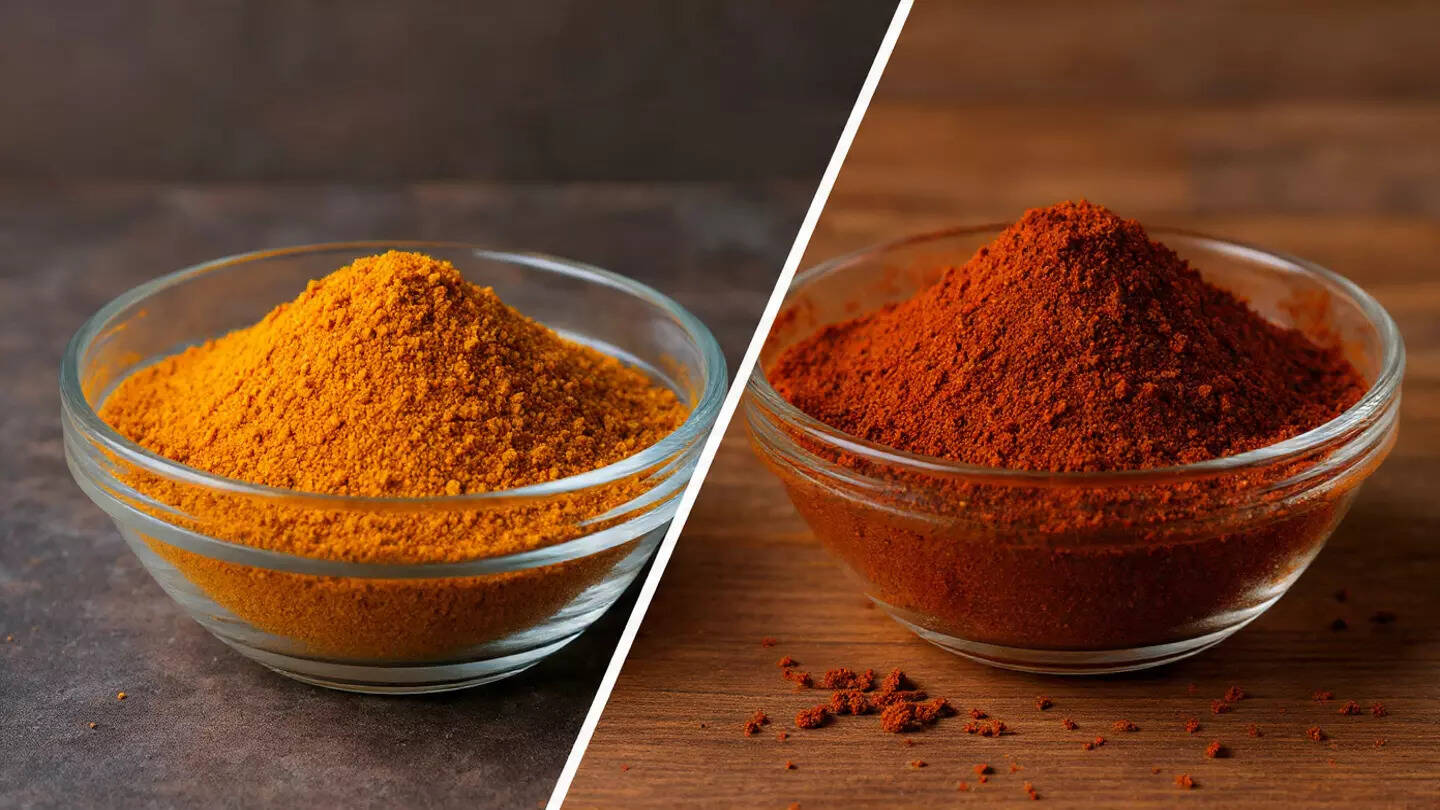
Disclaimer: This article is for information purposes only. The methods described are basic tests suggested by experts and are not a substitute for laboratory verification. Consumers are advised to purchase turmeric from trusted sources and consult professionals for bulk or medicinal use.
Why Fake Turmeric Is A Concern
The adulteration of turmeric often involves adding chemicals, powders, or dyes to enhance colour or weight. According to experts, such practices compromise both the safety and health benefits of turmeric. Consumption of adulterated turmeric can lead to mild to severe health issues, including digestive problems, allergies, and long-term exposure to harmful substances. Identifying fake turmeric is, therefore, crucial for safeguarding family health and ensuring that the spice retains its medicinal properties.Visual Checks To Identify Genuine Turmeric
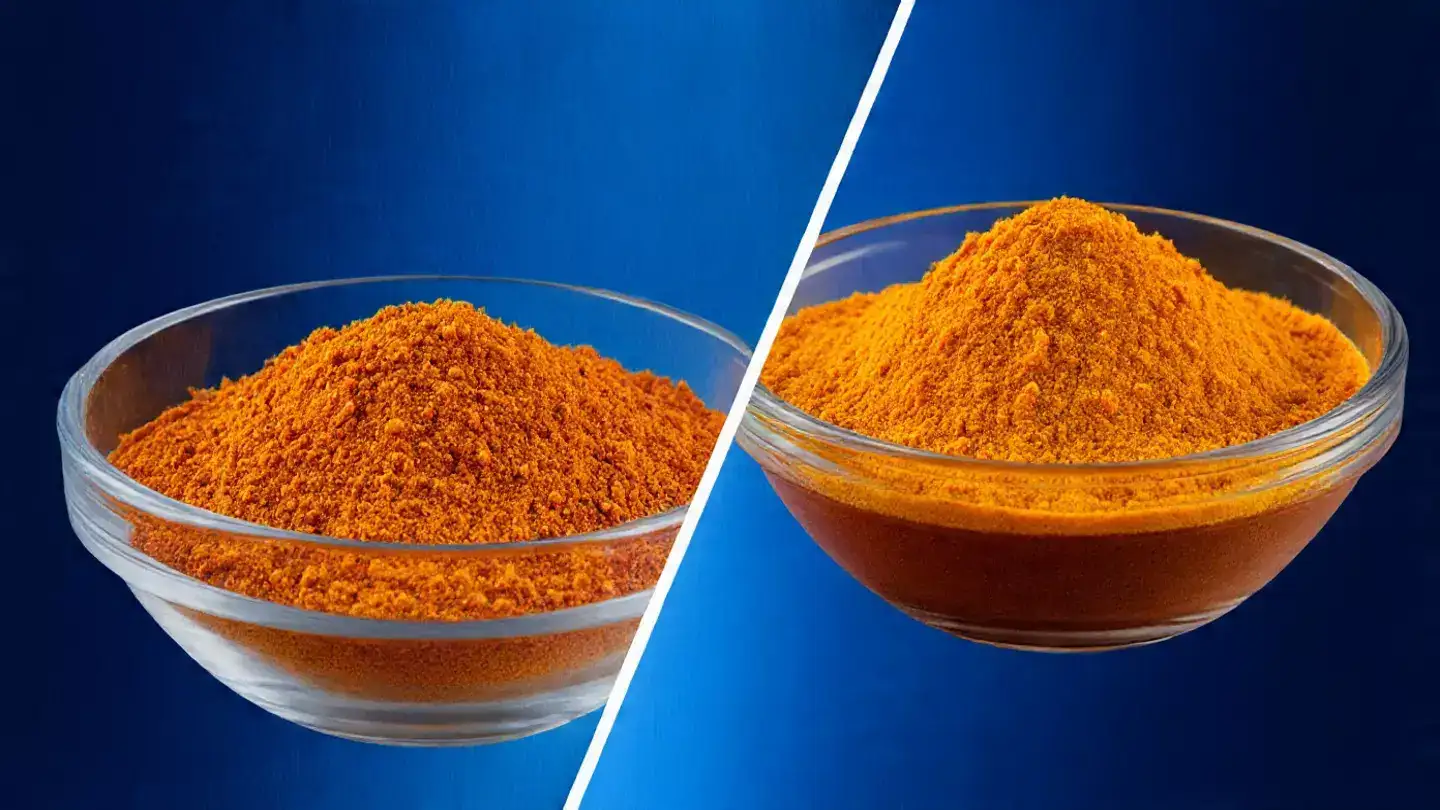
One of the simplest ways to assess turmeric quality is through visual examination. Pure turmeric generally has a deep orange-yellow colour that is uniform but not unnaturally bright. Fake turmeric may appear overly vibrant or glossy, indicating the presence of chemical dyes. According to experts, looking for a natural, slightly coarse texture rather than a perfectly smooth powder can also help determine authenticity.The Water Test
A common home method for detecting fake turmeric is the water test. Place a small pinch of turmeric in a glass of warm water. Genuine turmeric typically settles slowly and leaves a mild yellow tint, whereas adulterated varieties may dissolve immediately or leave a distinct colour streak, suggesting added dyes or powders. This simple test can help consumers make safer choices before purchase.You may also like
 Cong appoints new leadership in OBC department to strengthen outreach
- CA warns: If you can't save at Rs 50,000/month you won't save at Rs 1.5 lakh/month. Here's why
- Smartphone Makers Asked To Preload Sanchar Saathi App For Cyber Security
- Candidate politely turns down job offer. Recruiter's 4-word WhatApp reply shocked him
- Gujarat: Rajnath Singh to address 'Sardar Sabha' tomorrow, commemorating Sardar Patel's 150th birth anniversary
Smell And Taste Indicators
The aroma and flavour of turmeric are important indicators of its quality. Pure turmeric has a warm, earthy fragrance and a slightly bitter taste. Fake or adulterated turmeric may smell chemically or unusually strong, and the flavour could be unnaturally sharp. Experts recommend using both smell and taste tests as complementary checks alongside visual inspections to ensure authenticity.Checking For Chemical Adulterants
Laboratory testing is the most reliable method to confirm turmeric purity. Reputable suppliers and certified brands often provide certificates of analysis showing the absence of synthetic dyes and harmful chemicals. While home tests help in day-to-day identification, lab verification is recommended for bulk purchases or if turmeric is being used for medicinal purposes.Storage Tips To Preserve Quality
Even genuine turmeric can lose potency if not stored correctly. Keep it in an airtight container away from direct sunlight and moisture. Proper storage maintains colour, aroma, and medicinal properties. Buying small quantities from trusted sources and performing the above checks ensures that the turmeric remains safe and effective for culinary and health uses.Disclaimer: This article is for information purposes only. The methods described are basic tests suggested by experts and are not a substitute for laboratory verification. Consumers are advised to purchase turmeric from trusted sources and consult professionals for bulk or medicinal use.






More from our partners


Loving Newspoint? Download the app now
