How To Verify Cumin Seed Purity With Easy At-home Tests For Everyday Use

Cumin is a staple in Indian kitchens, used daily for tempering, flavouring and boosting digestion. Its warm aroma and distinct taste make it essential in dals, curries, snacks and traditional remedies. But the rising demand has unfortunately led to an increase in adulteration, where inferior materials such as grass seeds, wild cumin, charred husk or even small stones are mixed to increase weight and profits. Consuming poor-quality cumin not only reduces flavour but can also compromise health. Understanding how to spot fake cumin seeds helps protect your food quality and ensures you get the full flavour and benefits of genuine spice.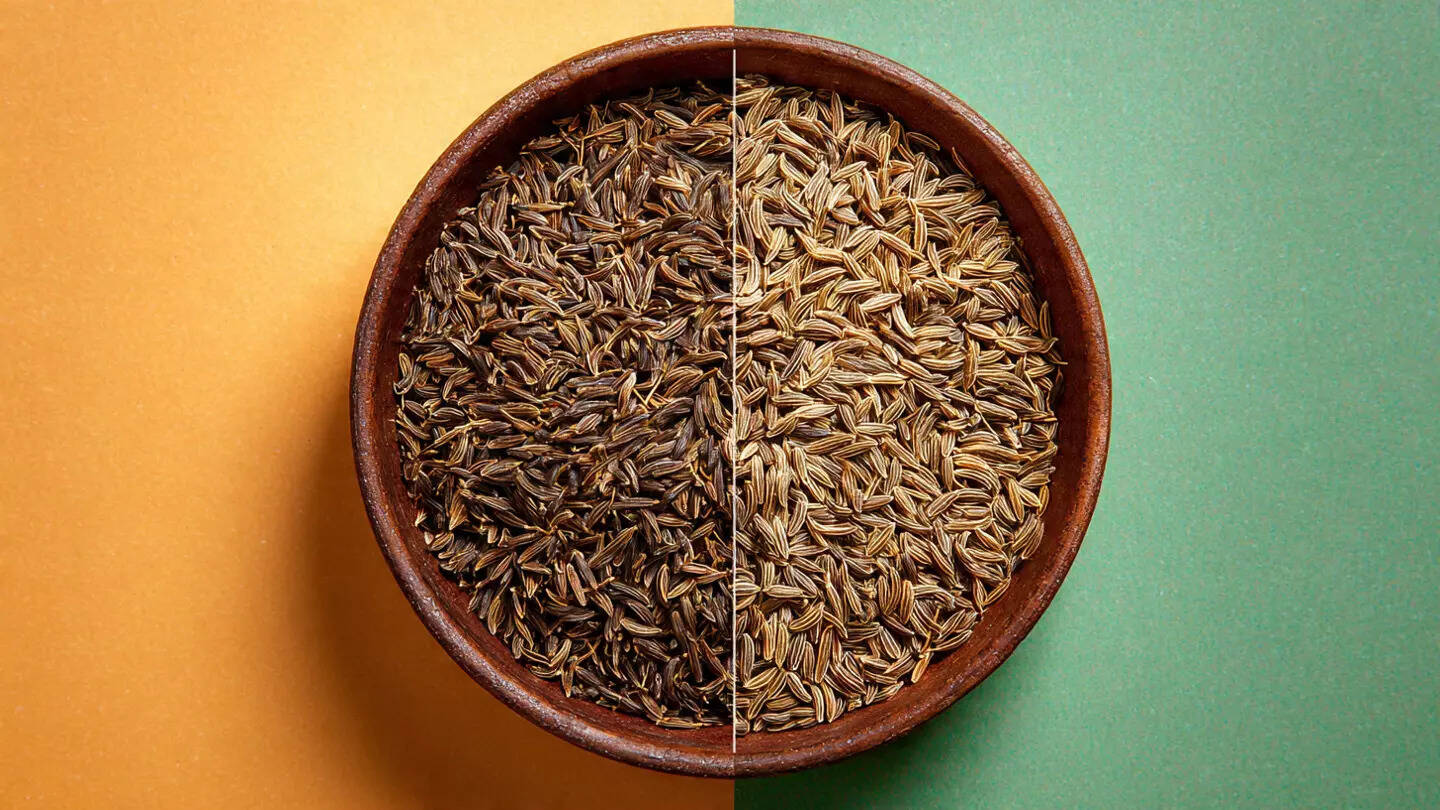
Check the Shape and Size Carefully
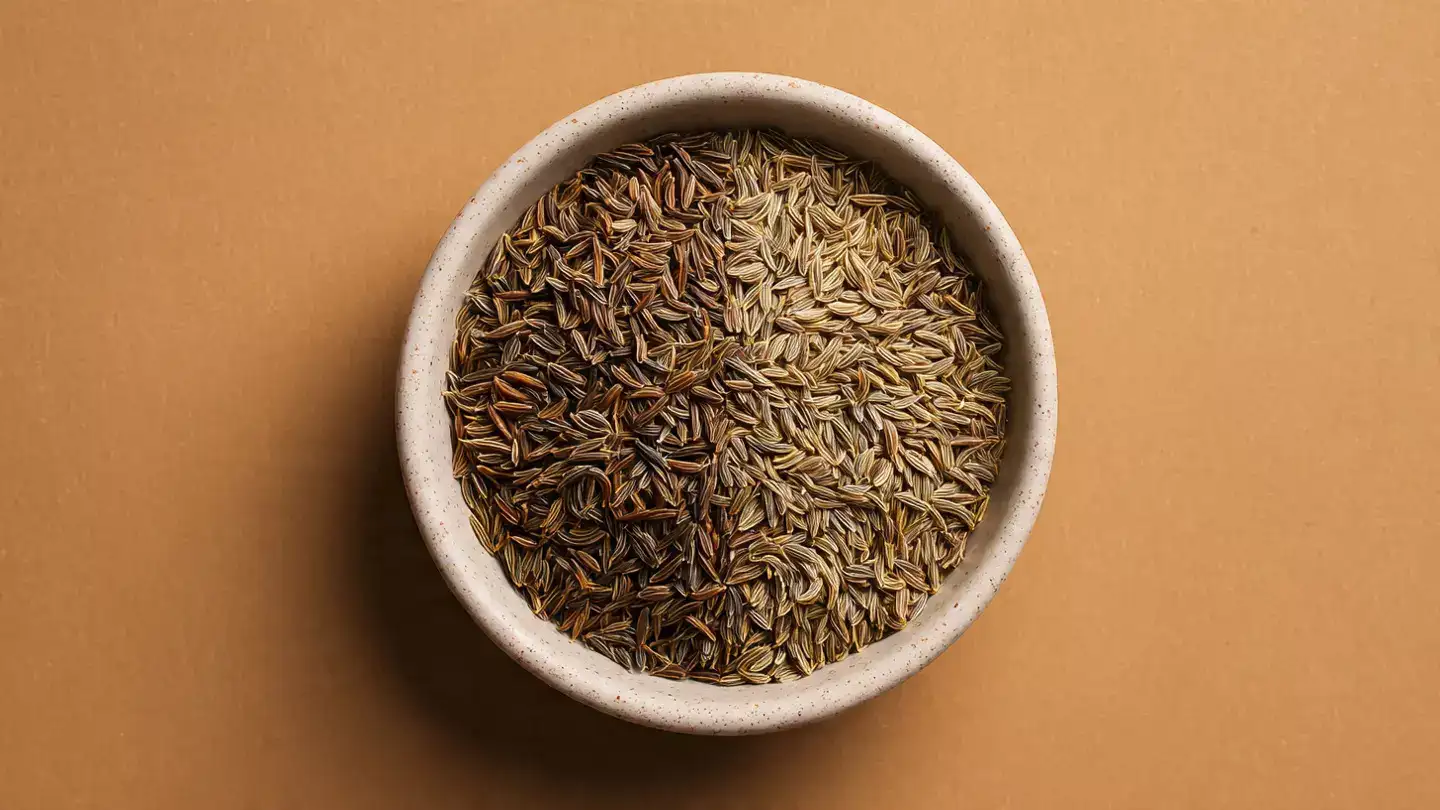
The most reliable way to spot adulteration is by examining the appearance of the seeds. Authentic cumin seeds are narrow, long and slightly curved with ridges running across the surface. They have a uniform shape, although natural size variation is normal. Fake or mixed seeds often look shorter, thicker or unusually straight. Some adulterants may appear too round or bulky compared with real cumin. If the seeds seem uneven, oversized or contain multiple shapes in the same batch, it may indicate contamination with other plant seeds.Look for the Right Colour and Texture
Pure cumin seeds have a brownish-grey colour, with tones that vary slightly depending on the crop. They should not look too dark or too pale. Overly shiny seeds may have been coated with oil to look fresh, while extremely dark ones may be over-roasted or mixed with charred husk. Texture also gives clues. Genuine cumin feels slightly rough due to its natural ridges. If the seeds feel unusually smooth or slippery, check for possible polishing, coating or added substances.Smell the Aroma for Authenticity
Aroma is one of the strongest indicators of cumin purity. Real cumin releases a warm, earthy scent that is easily recognisable. Crush a few seeds between your fingers. If the aroma is weak, synthetic or unfamiliar, the batch may be old or adulterated. Fake cumin seeds made from cheaper botanicals often lack the typical strong fragrance. A pungent, harsh or chemical-like smell is also a warning sign that the product is not pure.Use the Water Test for Quick Detection
A simple test can be done at home using a glass of water. Add a spoon of cumin seeds and observe. Pure cumin seeds are light and tend to float on the surface because they contain essential oils. If many seeds sink instantly, it may indicate the presence of heavier adulterants such as gravels, husk-coated particles or other plant seeds. While this method is not fully conclusive, it is helpful when combined with other checks.Examine for Unwanted Particles and Foreign Material
Impurities such as dust, small stones, sticks or broken pieces are common signs of contamination in low-grade cumin. Spread a small amount on a plate and inspect visually. Pure seeds should look clean and uniform. If you find too many foreign particles, it usually signals poor processing standards. In some cases, grass seeds or wild cumin may closely resemble cumin but can be identified by their lighter colour and different texture when crushed.You may also like
- Acquittal of Dileep: CM Vijayan firm, Congress distances itself from Prakash's remark
 FICCI FLO Chennai Presents the Able Art Festival A Celebratory Evening Featuring Dance Theatre by Artists with Differing Abilities
- Jawaharlal Nehru limited Vande Mataram to two stanzas: Amit Shah
- Rs 11.95-crore crypto fraud exposed: UP police bust gang using rented bank accounts, fake investment schemes across districts
- "Wishing her long and healthy life": Mallikarjun Kharge extends birthday greetings to Sonia Gandhi
Check the Taste by Light Roasting
Lightly roasting cumin brings out its natural flavour. Real cumin will release a smokey, nutty aroma and leave a strong, warm taste on the tongue. Fake cumin or mixed batches turn bitter or bland after roasting. Some adulterants may become extremely hard or give an unpleasant aftertaste. Always roast a small portion before using a large batch in cooking, especially when buying loose seeds from the market.Buy from Trusted Sources for Safety
The best way to avoid adulteration is to purchase cumin from reputed shops or verified brands that follow strict quality checks. Packed cumin with proper labelling, batch numbers and FSSAI certification is generally safer than unlabelled loose products. While loose spices may seem cheaper, they carry a higher risk of adulteration. Opting for premium quality ensures better aroma, flavour and hygiene.Store Properly to Maintain Purity
Even pure cumin can lose quality if not stored correctly. Keep the seeds in an airtight container away from heat and moisture. Proper storage prevents fungal growth, odour absorption and colour changes. Avoid mixing old and new batches, as older seeds can mask the aroma of fresh cumin and make adulteration harder to detect.Why Detecting Fake Cumin Seeds Matters
Adulterated cumin affects more than just flavour. Poor-quality substitutes may cause digestive discomfort, allergic reactions or contamination risks. Ensuring purity maintains the nutritional and medicinal benefits associated with cumin, such as aiding digestion, improving metabolism and enhancing food aroma. Identifying fake cumin is not difficult when you know what to check, and these simple steps help every household cook safely and confidently.





More from our partners


Loving Newspoint? Download the app now
