
Summer Fruits That Help Your Body Stay Cool and Hydrated

When temperatures rise during summer, staying hydrated becomes one of the most important things you can do for your health. Most people immediately think about drinking more water, and rightly so. However, hydration does not come only from what you drink. Many fruits contain a surprisingly high amount of water and can help your body maintain healthy fluid levels throughout the day. These refreshing fruits also provide essential vitamins, minerals and antioxidants that support overall wellbeing. Whether you are spending time outdoors, travelling, exercising or simply trying to cope with the heat, adding hydrating fruits to your diet can be a simple and delicious way to stay refreshed during the hottest months of the year.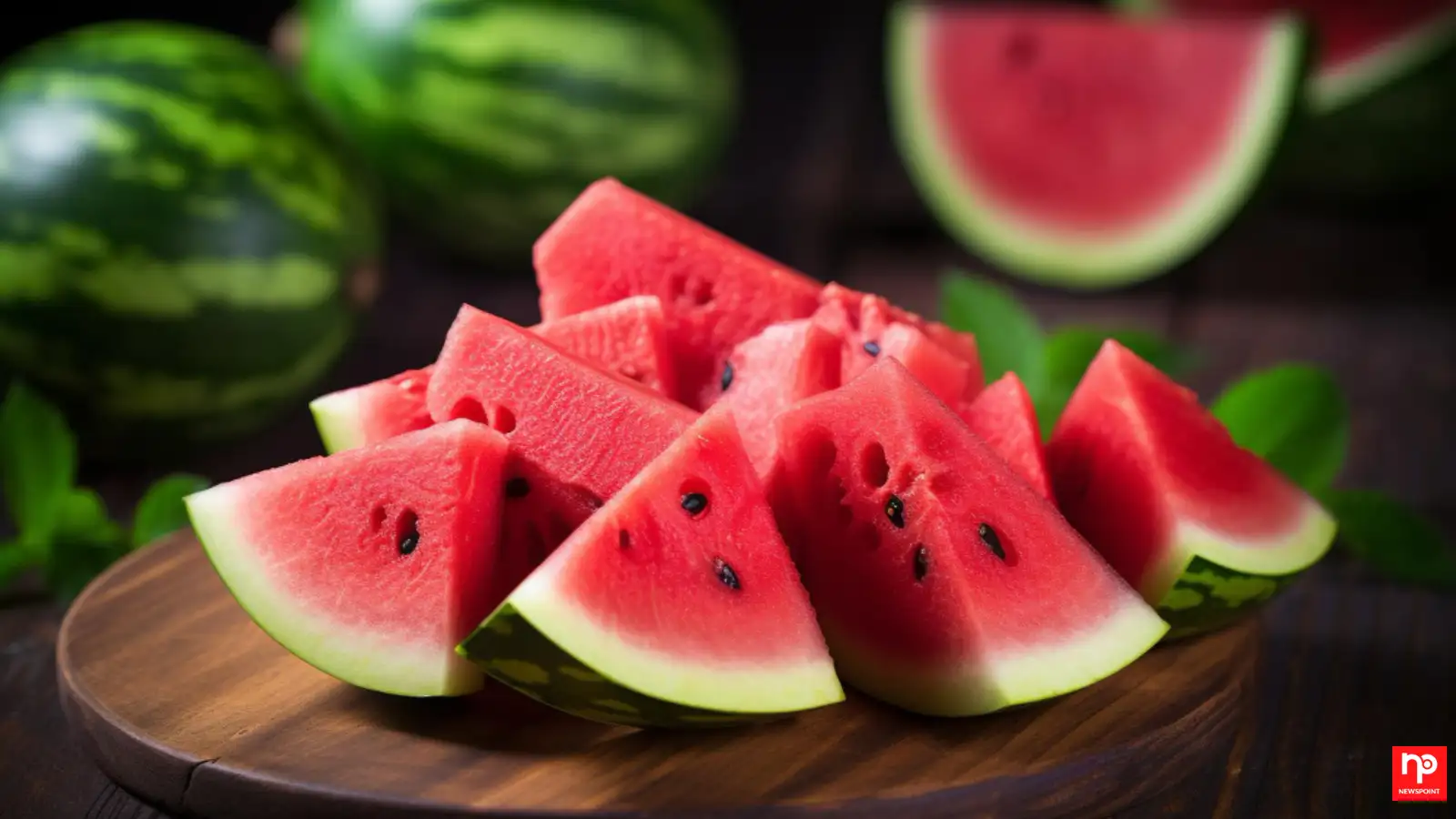
During summer, the body loses more fluid through sweating as it works to stay cool. If those fluids are not replaced, dehydration can occur. Common symptoms include fatigue, headaches, dizziness and difficulty concentrating.
While drinking water remains essential, nutrition experts often point out that around 20 per cent of daily water intake can come from food, particularly fruits and vegetables with high water content.
Its sweet flavour and cooling effect make it a favourite during hot weather. Watermelon also contains vitamin C, vitamin A and lycopene, a powerful antioxidant associated with various health benefits.
Interestingly, watermelon has been enjoyed for thousands of years. Historical evidence suggests it was cultivated in Africa long before becoming popular around the world.
Potassium is particularly important during summer because it helps replace electrolytes lost through sweating. The fruit's naturally sweet taste makes it a refreshing snack that can be enjoyed on its own or added to fruit salads.
Many nutritionists recommend muskmelon as a healthy alternative to sugary summer desserts.
In addition to hydration, oranges provide fibre and antioxidants that support immune health. Their natural sweetness can also satisfy cravings for processed snacks and sugary drinks.
Fresh oranges are often more beneficial than packaged fruit juices because they contain fibre and fewer added ingredients.
They provide vitamin C, manganese and various plant compounds that contribute to overall health. Their refreshing flavour makes them ideal for summer breakfasts, smoothies or healthy desserts.
One lesser-known fact is that strawberries are the only fruit with seeds on the outside, with each berry carrying around 200 tiny seeds.
Its tropical flavour makes it popular in fruit salads, juices and chilled snacks. Pineapple also supplies vitamin C and several important minerals.
Many people find pineapple particularly refreshing after physical activity because of its combination of water and natural sugars.
Their soft texture and natural sweetness make them easy to eat on the go. Unlike many processed snacks, they provide hydration alongside essential nutrients.
Because they are naturally portable, peaches and nectarines are often recommended as convenient travel snacks during summer.
Because they are harvested closer to peak ripeness, they often contain better texture and taste. This can encourage people to consume more fruit and stay hydrated more consistently.
Local seasonal produce also supports farmers and typically requires less transportation, which can reduce environmental impact.
Researchers have also found that foods containing water may help people feel fuller for longer, potentially supporting healthy weight management.
Another interesting fact is that the combination of water, fibre and natural sugars in fruit allows hydration to occur gradually, helping maintain steady energy levels throughout the day.
Hydrating fruits provide an easy, enjoyable and nutrient-rich way to support hydration while also improving overall diet quality. They offer far more nutritional value than many sugary drinks commonly consumed during hot weather.
For families, students and working professionals alike, incorporating water-rich fruits into daily meals can be a simple step towards better health.
Why Hydration Matters More in Summer
The human body depends on water for nearly every major function. Water helps regulate body temperature, transport nutrients, support digestion and keep organs functioning properly.During summer, the body loses more fluid through sweating as it works to stay cool. If those fluids are not replaced, dehydration can occur. Common symptoms include fatigue, headaches, dizziness and difficulty concentrating.
While drinking water remains essential, nutrition experts often point out that around 20 per cent of daily water intake can come from food, particularly fruits and vegetables with high water content.
Watermelon : The Ultimate Summer Fruit
When people think of hydrating fruits, watermelon usually comes to mind first. There is a good reason for that. Watermelon is made up of approximately 92 per cent water, making it one of the most water-rich fruits available.Its sweet flavour and cooling effect make it a favourite during hot weather. Watermelon also contains vitamin C, vitamin A and lycopene, a powerful antioxidant associated with various health benefits.
Interestingly, watermelon has been enjoyed for thousands of years. Historical evidence suggests it was cultivated in Africa long before becoming popular around the world.
Cucumber's Close Cousin: Muskmelon
Muskmelon, often called cantaloupe in some regions, is another excellent fruit for hydration. It contains a high percentage of water while also supplying potassium, which helps maintain fluid balance within the body.Potassium is particularly important during summer because it helps replace electrolytes lost through sweating. The fruit's naturally sweet taste makes it a refreshing snack that can be enjoyed on its own or added to fruit salads.
Many nutritionists recommend muskmelon as a healthy alternative to sugary summer desserts.
Oranges Offer More Than Vitamin C
Oranges are widely known for their vitamin C content, but they are also highly hydrating. Their water content is close to 87 per cent, making them a useful addition to a summer diet.In addition to hydration, oranges provide fibre and antioxidants that support immune health. Their natural sweetness can also satisfy cravings for processed snacks and sugary drinks.
Fresh oranges are often more beneficial than packaged fruit juices because they contain fibre and fewer added ingredients.
Strawberries Pack a Hydrating Punch
Strawberries are among the most water-rich berries, containing around 90 per cent water. Despite their small size, they deliver impressive nutritional benefits.They provide vitamin C, manganese and various plant compounds that contribute to overall health. Their refreshing flavour makes them ideal for summer breakfasts, smoothies or healthy desserts.
One lesser-known fact is that strawberries are the only fruit with seeds on the outside, with each berry carrying around 200 tiny seeds.
Pineapple Helps Refresh and Replenish
Pineapple is another summer favourite that contributes to hydration. Alongside its high water content, it contains bromelain, a natural enzyme that supports digestion.Its tropical flavour makes it popular in fruit salads, juices and chilled snacks. Pineapple also supplies vitamin C and several important minerals.
Many people find pineapple particularly refreshing after physical activity because of its combination of water and natural sugars.
Peaches and Nectarines Make Excellent Summer Snacks
Peaches and nectarines reach their peak during warmer months, making them ideal seasonal fruits. Both contain significant amounts of water and provide vitamins A and C.Their soft texture and natural sweetness make them easy to eat on the go. Unlike many processed snacks, they provide hydration alongside essential nutrients.
Because they are naturally portable, peaches and nectarines are often recommended as convenient travel snacks during summer.
Why Seasonal Hydrating Fruits Matter
Eating fruits that are naturally in season often provides additional benefits. Seasonal fruits tend to be fresher, more flavourful and more affordable than imported alternatives.Because they are harvested closer to peak ripeness, they often contain better texture and taste. This can encourage people to consume more fruit and stay hydrated more consistently.
Local seasonal produce also supports farmers and typically requires less transportation, which can reduce environmental impact.
Lesser-Known Facts About Hydrating Fruits
Many people are surprised to learn that some fruits contain water levels comparable to certain beverages. Watermelon, for example, consists of more than 90 per cent water.Researchers have also found that foods containing water may help people feel fuller for longer, potentially supporting healthy weight management.
Another interesting fact is that the combination of water, fibre and natural sugars in fruit allows hydration to occur gradually, helping maintain steady energy levels throughout the day.
Why This Matters Today
As summers become hotter in many parts of the world, maintaining proper hydration has become increasingly important. Long hours outdoors, increased physical activity and rising temperatures can all contribute to fluid loss.Hydrating fruits provide an easy, enjoyable and nutrient-rich way to support hydration while also improving overall diet quality. They offer far more nutritional value than many sugary drinks commonly consumed during hot weather.
For families, students and working professionals alike, incorporating water-rich fruits into daily meals can be a simple step towards better health.
Next Story