
Why Is Switzerland Known As The Land Of Cheese?

If you are curious about which country is called the Land of Cheese , the answer is Switzerland. Renowned worldwide for its exceptional dairy products, Switzerland has built a centuries-old reputation for producing some of the finest cheeses on the planet.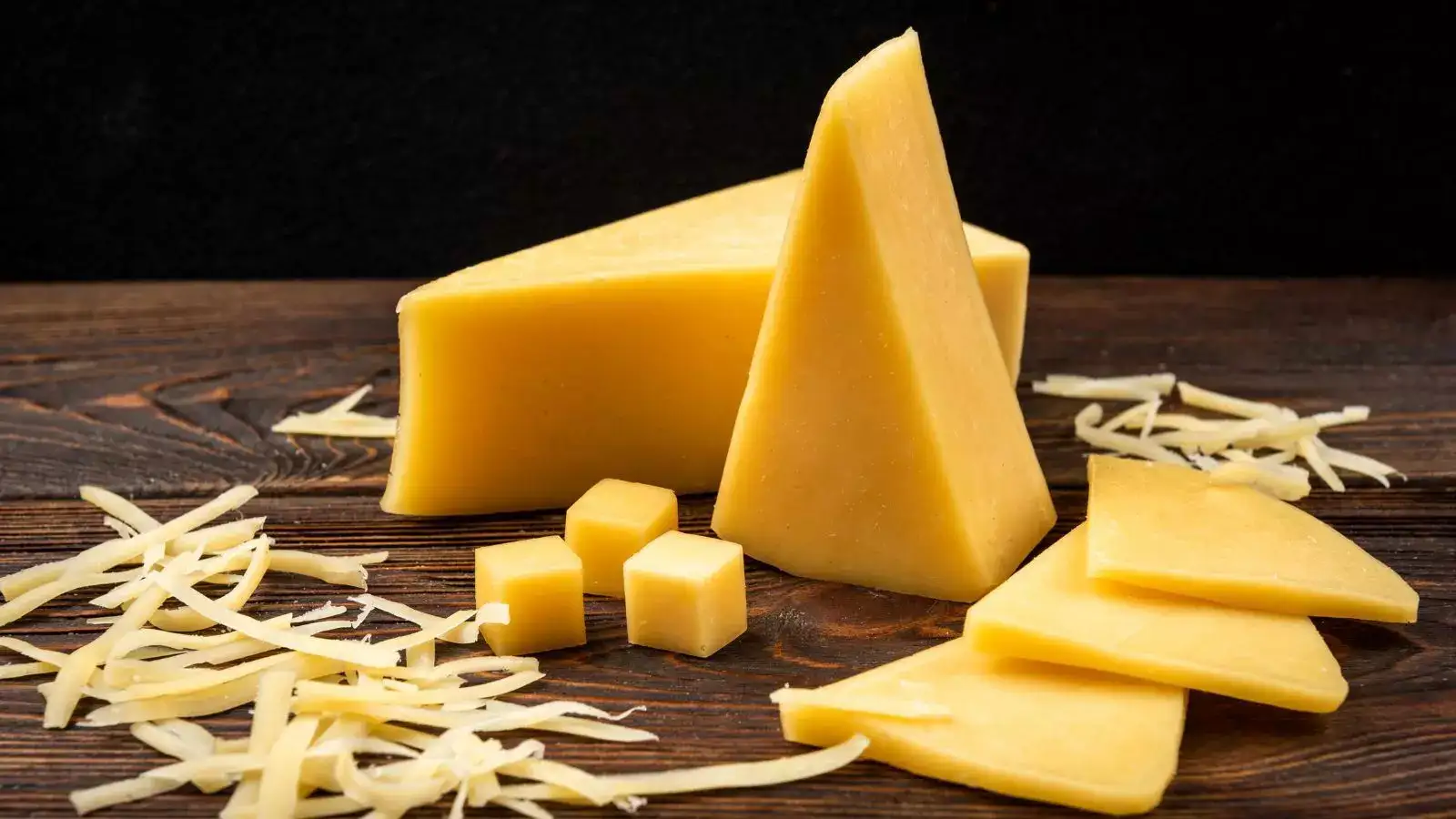
The title Land of Cheese is no exaggeration. Cheese is deeply woven into Swiss culture, cuisine and daily life. From breakfast tables to evening meals, it appears in countless dishes. Famous varieties such as Emmental and Gruyère have become global favourites, admired for their nutty flavour and smooth texture.
Why Switzerland Is Called The Land Of Cheese
The history of Swiss cheese dates back hundreds of years. Originally, cheese-making began as a practical way to preserve milk before refrigeration existed. Over time, this necessity transformed into a refined culinary tradition.
Switzerland’s natural environment plays a crucial role in its reputation as the Land of Cheese. The country’s lush alpine meadows provide cows with fresh mountain grass and aromatic herbs. This rich diet enhances the quality of the milk, giving Swiss cheese its distinctive taste.
Strict regulations further strengthen Switzerland’s standing. Every stage of cheese production is carefully monitored, from the cows’ feed and milk freshness to the ageing process. This dedication to quality control ensures that Swiss cheese consistently meets high international standards.
How Swiss Cheese Is Made
The traditional process begins with fresh milk, which is gently heated before natural cultures are added. The milk thickens, forming curds that are pressed into round moulds. The cheese is then aged for months or even years in cool storage rooms. During this time, it develops its characteristic flavour and aroma. In some varieties, small holes form due to gases released during maturation, a signature feature of Swiss cheese.
Today, Swiss cheese is used in dishes such as fondue, pasta, sandwiches and baked recipes. Its excellent melting quality makes it especially popular worldwide.
Switzerland’s blend of natural beauty, strict standards and rich heritage explains why it proudly holds the title of the Land of Cheese.
The title Land of Cheese is no exaggeration. Cheese is deeply woven into Swiss culture, cuisine and daily life. From breakfast tables to evening meals, it appears in countless dishes. Famous varieties such as Emmental and Gruyère have become global favourites, admired for their nutty flavour and smooth texture.
Why Switzerland Is Called The Land Of Cheese
The history of Swiss cheese dates back hundreds of years. Originally, cheese-making began as a practical way to preserve milk before refrigeration existed. Over time, this necessity transformed into a refined culinary tradition.Switzerland’s natural environment plays a crucial role in its reputation as the Land of Cheese. The country’s lush alpine meadows provide cows with fresh mountain grass and aromatic herbs. This rich diet enhances the quality of the milk, giving Swiss cheese its distinctive taste.
Strict regulations further strengthen Switzerland’s standing. Every stage of cheese production is carefully monitored, from the cows’ feed and milk freshness to the ageing process. This dedication to quality control ensures that Swiss cheese consistently meets high international standards.
How Swiss Cheese Is Made
The traditional process begins with fresh milk, which is gently heated before natural cultures are added. The milk thickens, forming curds that are pressed into round moulds. The cheese is then aged for months or even years in cool storage rooms. During this time, it develops its characteristic flavour and aroma. In some varieties, small holes form due to gases released during maturation, a signature feature of Swiss cheese. Today, Swiss cheese is used in dishes such as fondue, pasta, sandwiches and baked recipes. Its excellent melting quality makes it especially popular worldwide.
Switzerland’s blend of natural beauty, strict standards and rich heritage explains why it proudly holds the title of the Land of Cheese.
Next Story