
Why Buying Seasonal Fruits Is Good for Your Health and Budget

Have you ever noticed that a mango bought during peak summer often tastes sweeter than one purchased out of season? Or that strawberries seem more flavourful when they are naturally harvested rather than imported from far away? There is a reason for this. Seasonal fruits are harvested at the time of year when they naturally grow and ripen, allowing them to develop their full flavour, texture and nutritional value. Beyond taste, seasonal fruits are often more affordable and environmentally friendly. In an era where supermarkets offer almost every fruit year-round, understanding the benefits of seasonal produce can help consumers make healthier, tastier and more economical choices.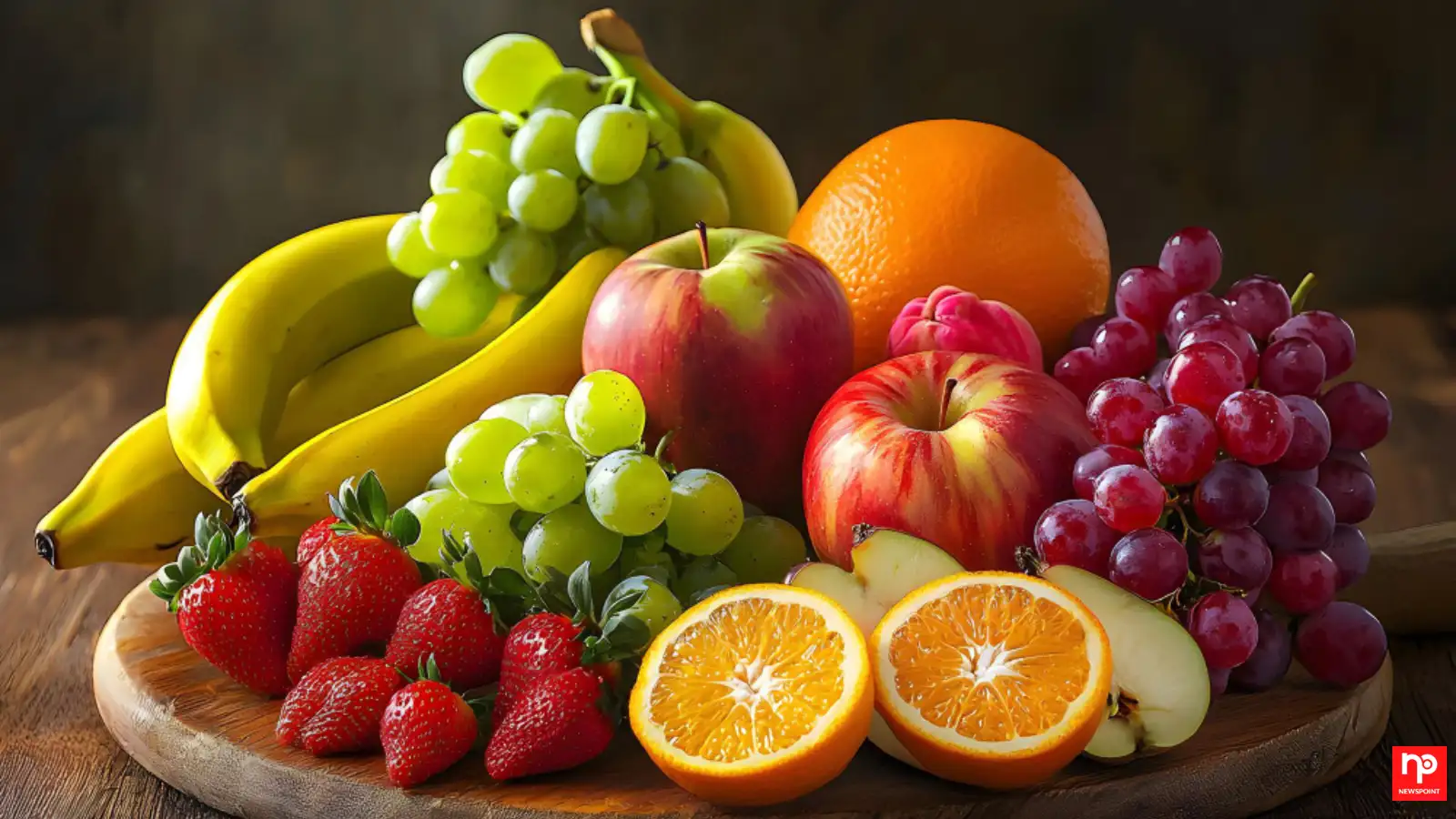
For example, mangoes are associated with summer in many countries, while apples are typically harvested during autumn. Watermelons thrive during warmer months, whereas citrus fruits often reach their peak during winter.
Before modern transportation and refrigeration, people relied almost entirely on seasonal produce. Today, global trade allows fruits to be available year-round, but seasonal varieties still offer unique advantages.
In contrast, fruits grown out of season or transported over long distances are often picked before they are fully ripe. They may continue ripening during transit, but they rarely achieve the same depth of flavour as naturally ripened produce.
Anyone who has tasted a freshly harvested summer mango or a ripe peach from a local farm can often notice the difference immediately.
Freshness affects not only taste but also texture. Fruits that spend weeks in storage may lose some of their natural juiciness and firmness. Seasonal produce generally reaches markets sooner after harvest, helping preserve its quality.
This is one reason local farmers' markets often attract shoppers looking for fresher and more flavourful fruit.
Out-of-season fruits may require specialised growing conditions, greenhouse cultivation or international transportation. These additional costs are usually reflected in the final retail price.
For families trying to maintain a healthy diet on a budget, choosing seasonal produce can provide excellent value without compromising on quality.
For example, brightly coloured fruits such as berries, peaches and mangoes contain various plant compounds that support overall health. These compounds often develop fully when fruits mature naturally under ideal growing conditions.
Seasonal eating also encourages dietary variety, exposing people to different nutrients throughout the year.
Long-distance transportation often involves refrigeration, packaging and significant fuel consumption. By choosing seasonal produce, consumers can help reduce the environmental footprint associated with food transport.
Many sustainability experts encourage seasonal eating as a simple way to support more environmentally responsible food systems.
Many cultures have long celebrated seasonal harvests through festivals, traditions and local recipes. Seasonal fruits often become associated with particular memories, holidays and family gatherings.
This connection adds cultural and emotional value to food that goes beyond nutrition alone.
Another interesting fact is that some fruits continue to develop flavour after harvesting, while others achieve their best taste only when fully ripened on the plant. This difference significantly influences the eating experience.
Studies have also shown that people are more likely to enjoy and consume fruits regularly when they are fresh, flavourful and readily available.
Rising food prices have also led many consumers to seek cost-effective ways to eat healthily. Seasonal produce offers a practical solution by combining affordability with quality.
At the same time, growing awareness of sustainability has renewed interest in food choices that align more closely with natural growing cycles.
What Are Seasonal Fruits?
Seasonal fruits are those that are naturally harvested during specific times of the year. Their growing cycles depend on factors such as temperature, rainfall, sunlight and soil conditions.For example, mangoes are associated with summer in many countries, while apples are typically harvested during autumn. Watermelons thrive during warmer months, whereas citrus fruits often reach their peak during winter.
Before modern transportation and refrigeration, people relied almost entirely on seasonal produce. Today, global trade allows fruits to be available year-round, but seasonal varieties still offer unique advantages.
Why Seasonal Fruits Taste Better
One of the biggest reasons seasonal fruits taste better is that they are allowed to ripen naturally. Fruits harvested during their proper season can remain on the plant longer, developing richer flavours and better texture.In contrast, fruits grown out of season or transported over long distances are often picked before they are fully ripe. They may continue ripening during transit, but they rarely achieve the same depth of flavour as naturally ripened produce.
Anyone who has tasted a freshly harvested summer mango or a ripe peach from a local farm can often notice the difference immediately.
Freshness Plays a Major Role
Seasonal fruits typically travel shorter distances between farms and consumers. Because they spend less time in storage and transportation, they often arrive fresher.Freshness affects not only taste but also texture. Fruits that spend weeks in storage may lose some of their natural juiciness and firmness. Seasonal produce generally reaches markets sooner after harvest, helping preserve its quality.
This is one reason local farmers' markets often attract shoppers looking for fresher and more flavourful fruit.
Seasonal Fruits Are Usually More Affordable
Price is another major advantage of buying seasonal fruits. When a fruit is in season, supply increases significantly. Greater availability often leads to lower prices for consumers.Out-of-season fruits may require specialised growing conditions, greenhouse cultivation or international transportation. These additional costs are usually reflected in the final retail price.
For families trying to maintain a healthy diet on a budget, choosing seasonal produce can provide excellent value without compromising on quality.
Nutritional Benefits of Seasonal Produce
Research suggests that fruits harvested at peak ripeness often contain higher levels of certain nutrients and antioxidants. While all fruit can contribute to a healthy diet, fresh seasonal produce may offer optimal nutritional value.For example, brightly coloured fruits such as berries, peaches and mangoes contain various plant compounds that support overall health. These compounds often develop fully when fruits mature naturally under ideal growing conditions.
Seasonal eating also encourages dietary variety, exposing people to different nutrients throughout the year.
The Environmental Advantage
Buying seasonal fruits can also have environmental benefits. Fruits grown locally during their natural season generally require fewer resources than those imported from distant regions.Long-distance transportation often involves refrigeration, packaging and significant fuel consumption. By choosing seasonal produce, consumers can help reduce the environmental footprint associated with food transport.
Many sustainability experts encourage seasonal eating as a simple way to support more environmentally responsible food systems.
Seasonal Fruits Connect Us to Nature
Modern life often separates people from natural cycles, but seasonal eating helps restore that connection. Looking forward to the arrival of specific fruits creates a sense of anticipation that year-round availability cannot always provide.Many cultures have long celebrated seasonal harvests through festivals, traditions and local recipes. Seasonal fruits often become associated with particular memories, holidays and family gatherings.
This connection adds cultural and emotional value to food that goes beyond nutrition alone.
Lesser-Known Facts About Seasonal Fruits
Many fruits that appear in supermarkets throughout the year may spend weeks or even months in controlled storage facilities before reaching consumers. Apples, for example, can often be stored for extended periods under carefully regulated conditions.Another interesting fact is that some fruits continue to develop flavour after harvesting, while others achieve their best taste only when fully ripened on the plant. This difference significantly influences the eating experience.
Studies have also shown that people are more likely to enjoy and consume fruits regularly when they are fresh, flavourful and readily available.
Why Seasonal Fruits Matter Today
In an age of global supply chains and year-round availability, it is easy to forget where food comes from and when it naturally grows. Choosing seasonal fruits supports local agriculture, encourages dietary diversity and often delivers better value for money.Rising food prices have also led many consumers to seek cost-effective ways to eat healthily. Seasonal produce offers a practical solution by combining affordability with quality.
At the same time, growing awareness of sustainability has renewed interest in food choices that align more closely with natural growing cycles.
Next Story