
Why More People Prefer Online Food Delivery Over Cooking at Home

Ordering food online once felt like an occasional treat. Today, for many people, it became part of ordinary daily life.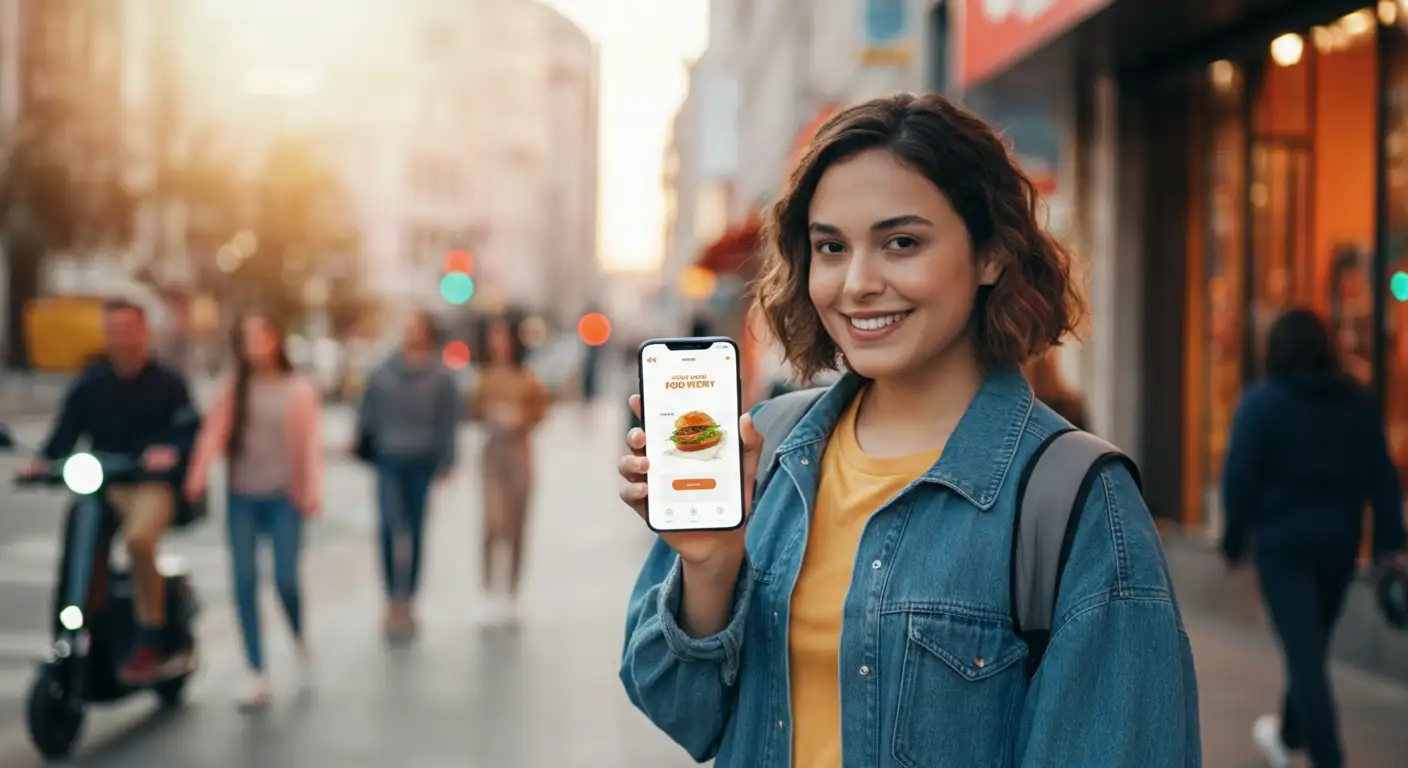
Food delivery apps transformed how households eat by making restaurant meals available within minutes through smartphones. From late-night snacks to full family dinners, digital ordering is now deeply connected to urban lifestyles.
Busy schedules leave many people with limited time or energy for grocery shopping, cooking, and cleaning afterwards. Ordering through apps feels faster and easier after long workdays or hectic routines.
For students and working professionals especially, delivery became a regular solution rather than an occasional luxury.
Users can compare cuisines, prices, reviews, discounts, and delivery times within seconds. This constant access to options often makes home cooking feel repetitive by comparison.
Recommendations and trending items also encourage spontaneous cravings.
Consumers became accustomed to frequent deals that made restaurant food appear financially attractive, especially for single users or small households.
Even when prices increased later, the convenience habit remained.
Viral dishes, aesthetic cafés, and trending snacks spread rapidly through social media, increasing curiosity and food experimentation among younger consumers.
Visual food content became powerful marketing.
Cooking once required planning around available ingredients at home. Now many consumers decide what to eat only moments before ordering through personalised digital platforms.
The kitchen is still important, but smartphones increasingly became part of the modern dining table too.
Food delivery apps transformed how households eat by making restaurant meals available within minutes through smartphones. From late-night snacks to full family dinners, digital ordering is now deeply connected to urban lifestyles.
Convenience Changed Eating Habits
One major reason behind rising food delivery usage is simple convenience.Busy schedules leave many people with limited time or energy for grocery shopping, cooking, and cleaning afterwards. Ordering through apps feels faster and easier after long workdays or hectic routines.
For students and working professionals especially, delivery became a regular solution rather than an occasional luxury.
Endless Choices Encourage Ordering
Food apps provide enormous variety instantly.Users can compare cuisines, prices, reviews, discounts, and delivery times within seconds. This constant access to options often makes home cooking feel repetitive by comparison.
Recommendations and trending items also encourage spontaneous cravings.
Discounts Made Delivery Feel Affordable
Heavy discounts, cashback offers, and subscription programmes helped delivery platforms grow rapidly.You may also like
- 10 items travellers are not allowed to carry in hand baggage (number 5 might surprise you)
- Just when Cannes thought it had seen it all, Aishwarya Rai Bachchan arrived in this jaw-dropping pastel look
- David Dhawan's Upcoming Film Faces Legal Hurdles Ahead of Release
- 5 Best Foods to Reduce Amniotic Fluid During Pregnancy
- Is it normal to feel jealous that your child prefers your partner? Why it happens and what to do about it
Consumers became accustomed to frequent deals that made restaurant food appear financially attractive, especially for single users or small households.
Even when prices increased later, the convenience habit remained.
Social Media Influenced Food Trends
Online food culture exploded alongside Instagram, YouTube, and short-video platforms.Viral dishes, aesthetic cafés, and trending snacks spread rapidly through social media, increasing curiosity and food experimentation among younger consumers.
Visual food content became powerful marketing.
Eating Became More Digital
Food delivery apps changed not only where people eat but how they think about meals themselves.Cooking once required planning around available ingredients at home. Now many consumers decide what to eat only moments before ordering through personalised digital platforms.
The kitchen is still important, but smartphones increasingly became part of the modern dining table too.






More from our partners


Loving Newspoint? Download the app now
