
Which Country Is Called the Land of Cheese and Why?

Have you ever wondered which country is famously known as the Land of Cheese ? The answer is Switzerland, a nation where cheese is far more than just a food item—it is a proud cultural symbol and a way of life. From breakfast tables to gourmet dinners, cheese plays a starring role in Swiss cuisine.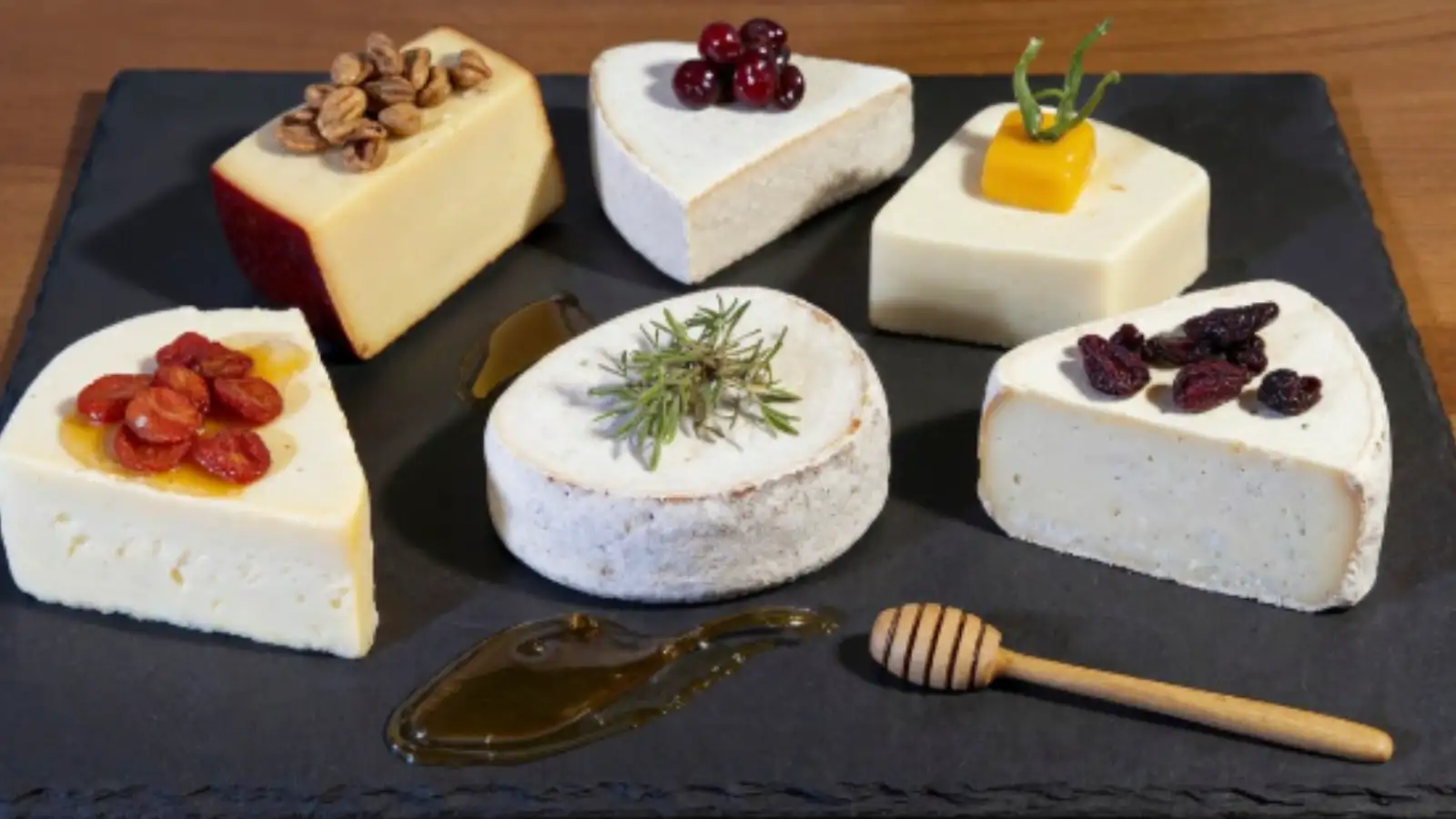
Why Switzerland Is Called the Land of Cheese
Switzerland has built a worldwide reputation for producing some of the finest and most flavourful cheeses. Generations of skilled artisans have perfected their craft, turning simple milk into world-class dairy products enjoyed across continents.
Popular varieties such as Emmental and Gruyère have become global favourites. Known for their rich texture and balanced flavours, these cheeses are used in everything from traditional recipes to modern international dishes.
A Centuries-Old Swiss Cheese-Making Tradition
Cheese-making in Switzerland is not a recent trend—it is a heritage passed down over hundreds of years. Farmers begin their day early, collecting fresh milk from cows grazing in alpine pastures. In many cases, the milk is transformed into cheese within hours of being collected.
Each Swiss region has its own unique methods and secret recipes. These time-honoured techniques are carefully protected and preserved, ensuring that every wheel of cheese carries a piece of local history.
The Secret Behind Swiss Cheese Quality
One of the key reasons Switzerland is known as the Land of Cheese lies in its natural environment. The country’s lush meadows and pristine alpine landscapes provide ideal conditions for dairy farming.
Cows feed on fresh mountain grass and aromatic herbs, which directly influence the richness and taste of the milk. This high-quality milk forms the foundation of Switzerland’s exceptional cheese production.
Strict Quality Standards That Set Switzerland Apart
Swiss cheese production is governed by rigorous quality controls. Every stage is closely monitored - from the cows’ diet to milk freshness and the ageing process. These strict standards ensure consistency and excellence in every batch.
The process typically involves:
Gently heating fresh milk
Adding natural cultures to thicken it
Pressing the mixture into moulds
Ageing it for months or even years
During maturation, distinctive flavours develop, and in some varieties, small holes appear due to natural gas formation. This careful ageing process enhances both texture and aroma.
How Swiss Cheese Is Used Around the World
Swiss cheese is incredibly versatile. Its mild, nutty flavour and excellent melting quality make it ideal for:
Whether enjoyed in traditional Swiss meals or global cuisine, it adds depth and richness to countless dishes.
From Preservation Method to Global Culinary Icon
Historically, cheese-making began as a practical way to preserve milk before refrigeration existed. Over time, this necessity evolved into an art form. Today, Switzerland proudly carries the title of Land of Cheese, thanks to its unmatched dedication to quality, tradition, and flavour.
With its stunning landscapes, strict production standards, and centuries-old expertise, Switzerland continues to delight cheese lovers around the world.
Why Switzerland Is Called the Land of Cheese
Switzerland has built a worldwide reputation for producing some of the finest and most flavourful cheeses. Generations of skilled artisans have perfected their craft, turning simple milk into world-class dairy products enjoyed across continents.
Popular varieties such as Emmental and Gruyère have become global favourites. Known for their rich texture and balanced flavours, these cheeses are used in everything from traditional recipes to modern international dishes.
A Centuries-Old Swiss Cheese-Making Tradition
Cheese-making in Switzerland is not a recent trend—it is a heritage passed down over hundreds of years. Farmers begin their day early, collecting fresh milk from cows grazing in alpine pastures. In many cases, the milk is transformed into cheese within hours of being collected.
Each Swiss region has its own unique methods and secret recipes. These time-honoured techniques are carefully protected and preserved, ensuring that every wheel of cheese carries a piece of local history.
The Secret Behind Swiss Cheese Quality
One of the key reasons Switzerland is known as the Land of Cheese lies in its natural environment. The country’s lush meadows and pristine alpine landscapes provide ideal conditions for dairy farming.
Cows feed on fresh mountain grass and aromatic herbs, which directly influence the richness and taste of the milk. This high-quality milk forms the foundation of Switzerland’s exceptional cheese production.
Strict Quality Standards That Set Switzerland Apart
Swiss cheese production is governed by rigorous quality controls. Every stage is closely monitored - from the cows’ diet to milk freshness and the ageing process. These strict standards ensure consistency and excellence in every batch.
The process typically involves:
Gently heating fresh milk
Adding natural cultures to thicken it
Pressing the mixture into moulds
Ageing it for months or even years
During maturation, distinctive flavours develop, and in some varieties, small holes appear due to natural gas formation. This careful ageing process enhances both texture and aroma.
How Swiss Cheese Is Used Around the World
Swiss cheese is incredibly versatile. Its mild, nutty flavour and excellent melting quality make it ideal for:
- Fondue
- Burgers and sandwiches
- Pasta dishes
- Baked recipes and casseroles
Whether enjoyed in traditional Swiss meals or global cuisine, it adds depth and richness to countless dishes.
From Preservation Method to Global Culinary Icon
Historically, cheese-making began as a practical way to preserve milk before refrigeration existed. Over time, this necessity evolved into an art form. Today, Switzerland proudly carries the title of Land of Cheese, thanks to its unmatched dedication to quality, tradition, and flavour.
With its stunning landscapes, strict production standards, and centuries-old expertise, Switzerland continues to delight cheese lovers around the world.
Next Story