
Why Mall Road Is The Heart Of Every Indian Hill Station

If you’ve visited a hill station in India , chances are your trip began or ended on the famous Mall Road. Whether in Shimla, Manali, Nainital, Darjeeling or Mussoorie, Mall Roads remain the social and commercial backbone of these mountain towns. But why does nearly every hill station in India have one? The answer lies in colonial planning, geography and evolving culture.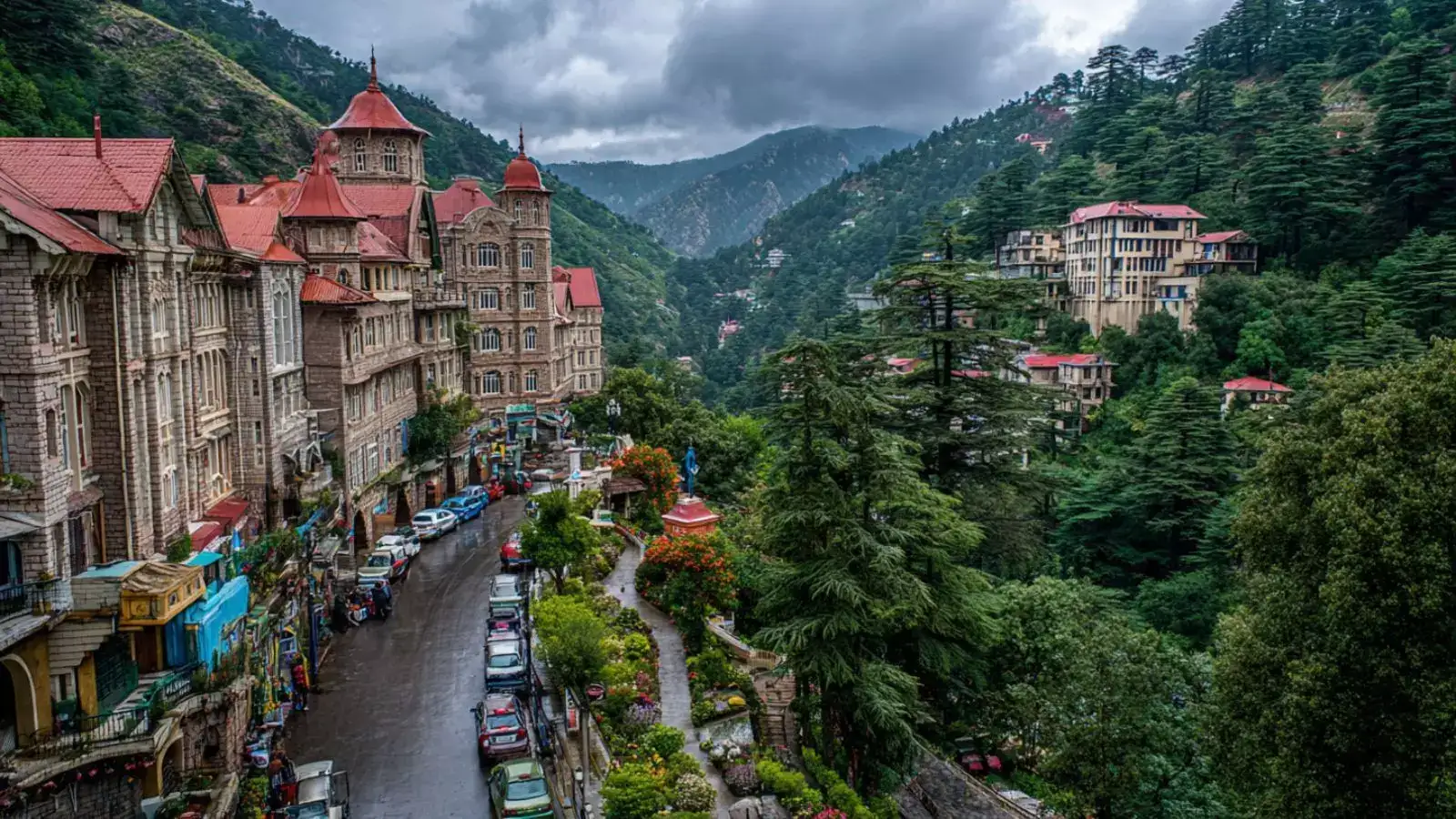
The Colonial Origins Of Mall Roads
The history of Mall Road in India dates back to the 19th century, when the British established hill stations as summer retreats to escape the heat of the plains. Inspired by “The Mall” in London, these wide promenades were designed as elegant walking avenues for British officers and their families.
Strategically located in the heart of the town, Mall Roads were built on the flattest available land, a rarity in hilly terrain. They became the centre of social life, where the colonial elite would stroll, interact and enjoy the cool mountain air. Over time, the hill station architecture around these roads developed into administrative offices, churches, theatres and markets.
Geography Shaped Their Importance
The geography of Indian hill stations played a major role in making Mall Roads essential. With steep slopes and winding paths, flat stretches were limited. Concentrating commercial and social activity along one central road made practical sense.
Even today, Mall Road in hill stations serves as the most accessible space for shops, cafés and public gatherings. Tourists naturally gravitate towards this lively stretch, making it the heartbeat of local tourism.
Cultural Evolution Over Time
What began as exclusive colonial promenades gradually transformed into inclusive cultural hubs. Evening walks along Mall Road became a beloved tradition. Families shop for souvenirs, couples enjoy scenic views and friends gather at heritage cafés.
In Shimla, the Mall Road offers stunning valley views and colonial landmarks. Nainital’s Mall runs beside the lake, creating postcard-worthy scenes. Darjeeling’s Mall, known locally as Chowrasta, remains a cultural meeting point.
A Blend Of Heritage And Modern Tourism
Today, Mall Roads symbolise the perfect balance between tradition and modernity. From handicraft shops and woollen stores to trendy cafés and street food stalls, they reflect the changing face of tourism.
Ultimately, every hill station in India has a Mall Road because it represents history, convenience and community, all in one vibrant promenade.
The Colonial Origins Of Mall Roads
The history of Mall Road in India dates back to the 19th century, when the British established hill stations as summer retreats to escape the heat of the plains. Inspired by “The Mall” in London, these wide promenades were designed as elegant walking avenues for British officers and their families. Strategically located in the heart of the town, Mall Roads were built on the flattest available land, a rarity in hilly terrain. They became the centre of social life, where the colonial elite would stroll, interact and enjoy the cool mountain air. Over time, the hill station architecture around these roads developed into administrative offices, churches, theatres and markets.
Geography Shaped Their Importance
The geography of Indian hill stations played a major role in making Mall Roads essential. With steep slopes and winding paths, flat stretches were limited. Concentrating commercial and social activity along one central road made practical sense. Even today, Mall Road in hill stations serves as the most accessible space for shops, cafés and public gatherings. Tourists naturally gravitate towards this lively stretch, making it the heartbeat of local tourism.
Cultural Evolution Over Time
What began as exclusive colonial promenades gradually transformed into inclusive cultural hubs. Evening walks along Mall Road became a beloved tradition. Families shop for souvenirs, couples enjoy scenic views and friends gather at heritage cafés. In Shimla, the Mall Road offers stunning valley views and colonial landmarks. Nainital’s Mall runs beside the lake, creating postcard-worthy scenes. Darjeeling’s Mall, known locally as Chowrasta, remains a cultural meeting point.
A Blend Of Heritage And Modern Tourism
Today, Mall Roads symbolise the perfect balance between tradition and modernity. From handicraft shops and woollen stores to trendy cafés and street food stalls, they reflect the changing face of tourism. Ultimately, every hill station in India has a Mall Road because it represents history, convenience and community, all in one vibrant promenade.
Next Story