World AIDS Day 2025: What It Stands For, Why It Matters & The Theme This Year

Every year on 1 December, the world unites to reflect on the ongoing challenges and achievements in the fight against HIV/AIDS. World AIDS Day serves as a powerful reminder of the importance of education, compassion and equitable access to healthcare. It honours the memory of those who have died from AIDS-related illnesses while amplifying the voices of individuals and communities living with HIV today. Marking this day encourages global solidarity and drives renewed commitment to ending the epidemic.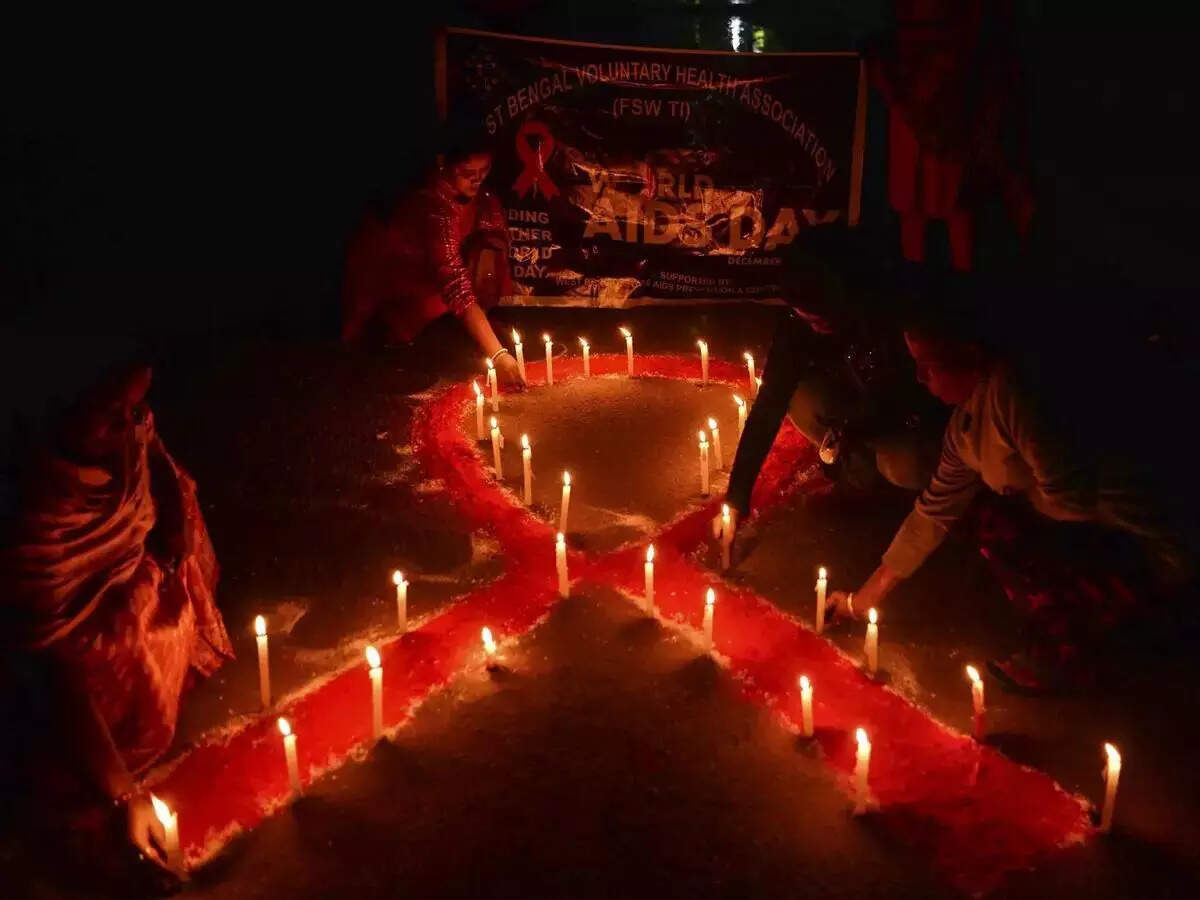
In its early years, the focus was largely on improving public knowledge and countering misinformation. UNAIDS later became the primary driver of World AIDS Day initiatives, shaping campaigns and messaging until 2004. Thereafter, a collective Global Steering Committee began setting the annual theme, engaging governments, advocacy groups and civil society organisations to ensure the messaging reflected the evolving needs of the global HIV response.
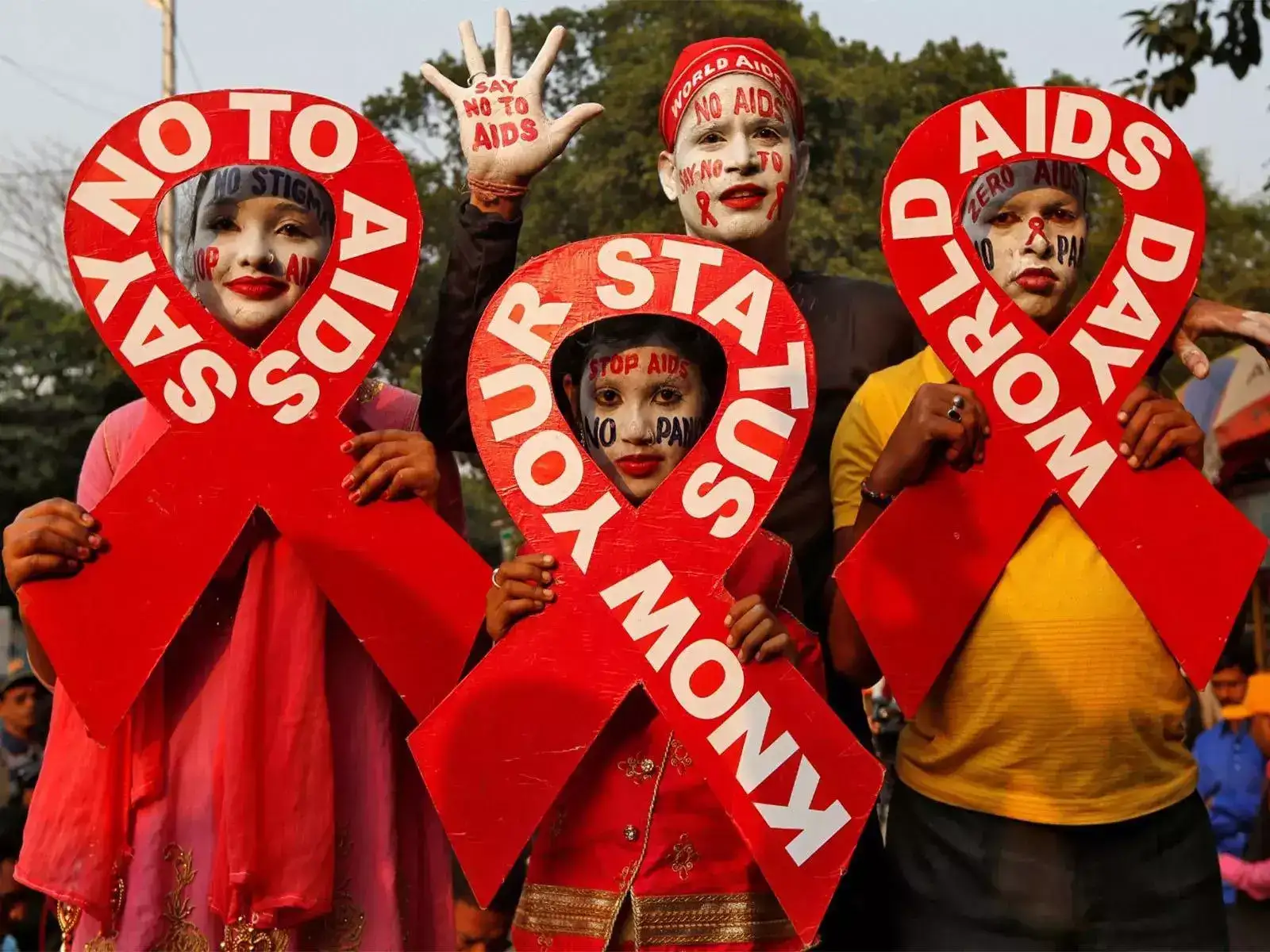
The day also reminds societies to challenge prejudice and discrimination, which continue to affect people living with HIV. Creating safe, inclusive environments can improve health outcomes and protect human rights. Above all, World AIDS Day provides an opportunity to stand with affected individuals, recognise their resilience and advocate for equitable access to essential healthcare.
This year’s theme highlights the pressures facing HIV programmes worldwide. According to a United Nations report, severe funding shortages in 2025 have placed hard-won progress at risk. Many prevention services have experienced significant disruptions, especially those serving marginalised populations who rely heavily on community-based support.
The report also warns that essential community-led initiatives are being sidelined, despite their proven effectiveness in reaching individuals who often face barriers within formal healthcare systems. At the same time, an increase in punitive laws targeting same-sex relationships, gender identity and drug use is worsening the situation. These legal challenges further marginalise already vulnerable groups and restrict access to crucial services, widening health inequalities.
The day serves not only as a reflection of past achievements but as a call to action. It urges governments, healthcare providers and communities to work collectively to build a more resilient, inclusive and sustainable HIV response for the future.
A Brief Look Back at World AIDS Day’s Origins
World AIDS Day has a notable place in global health history, having been introduced in 1988 as the first officially recognised international health day. It was established through a collaboration between the World Health Organization and the United Nations, with the aim of raising public awareness about a disease that at the time was widely misunderstood and heavily stigmatised.In its early years, the focus was largely on improving public knowledge and countering misinformation. UNAIDS later became the primary driver of World AIDS Day initiatives, shaping campaigns and messaging until 2004. Thereafter, a collective Global Steering Committee began setting the annual theme, engaging governments, advocacy groups and civil society organisations to ensure the messaging reflected the evolving needs of the global HIV response.
Why World AIDS Day Remains Crucial
Although advances in medical science have transformed HIV from a fatal diagnosis into a manageable condition for many, misinformation and stigma persist. These ongoing barriers often discourage individuals from seeking testing, treatment or support. World AIDS Day therefore remains vital in keeping conversations active around prevention strategies, early diagnosis and the importance of antiretroviral therapy.The day also reminds societies to challenge prejudice and discrimination, which continue to affect people living with HIV. Creating safe, inclusive environments can improve health outcomes and protect human rights. Above all, World AIDS Day provides an opportunity to stand with affected individuals, recognise their resilience and advocate for equitable access to essential healthcare.
Solidarity for Those Affected
Beyond raising awareness, this global observance is deeply rooted in empathy. It honours the millions of lives lost to AIDS-related illnesses and acknowledges the struggles faced by families and communities impacted by the epidemic. It is also a moment to celebrate the progress achieved by healthcare professionals, researchers, activists and community-led organisations working tirelessly to prevent new infections and support those living with HIV.World AIDS Day 2025 Theme
The theme for 2025, 'Overcoming disruption, transforming the AIDS response', underscores a critical moment for the global health community. It calls attention to the urgent need for innovative strategies, sustained international cooperation and a rights-based approach to ensure progress does not stall.This year’s theme highlights the pressures facing HIV programmes worldwide. According to a United Nations report, severe funding shortages in 2025 have placed hard-won progress at risk. Many prevention services have experienced significant disruptions, especially those serving marginalised populations who rely heavily on community-based support.
The report also warns that essential community-led initiatives are being sidelined, despite their proven effectiveness in reaching individuals who often face barriers within formal healthcare systems. At the same time, an increase in punitive laws targeting same-sex relationships, gender identity and drug use is worsening the situation. These legal challenges further marginalise already vulnerable groups and restrict access to crucial services, widening health inequalities.
Looking Ahead: The 2030 Goal
World AIDS Day 2025 reinforces the global ambition to end AIDS as a public health threat by 2030. Achieving this target will require stronger investments, better protection of human rights and unwavering political commitment. Only by ensuring that everyone—regardless of background, identity or socioeconomic status—can access comprehensive HIV services can the world move closer to consigning AIDS to history.The day serves not only as a reflection of past achievements but as a call to action. It urges governments, healthcare providers and communities to work collectively to build a more resilient, inclusive and sustainable HIV response for the future.
Next Story