
World Oceans Day 2026: 7 Cleanest Beaches in the World That Look Unreal

World Oceans Day 2026 clean beaches highlight some of the planet’s most breathtaking coastal destinations where nature remains beautifully untouched. From crystal-clear waters to powder-white sands, these beaches stand out not just for their scenic charm but also for strong conservation efforts that keep them remarkably clean. As we mark World Oceans Day 2026, these destinations serve as powerful examples of how responsible tourism and environmental protection can preserve natural wonders for future generations.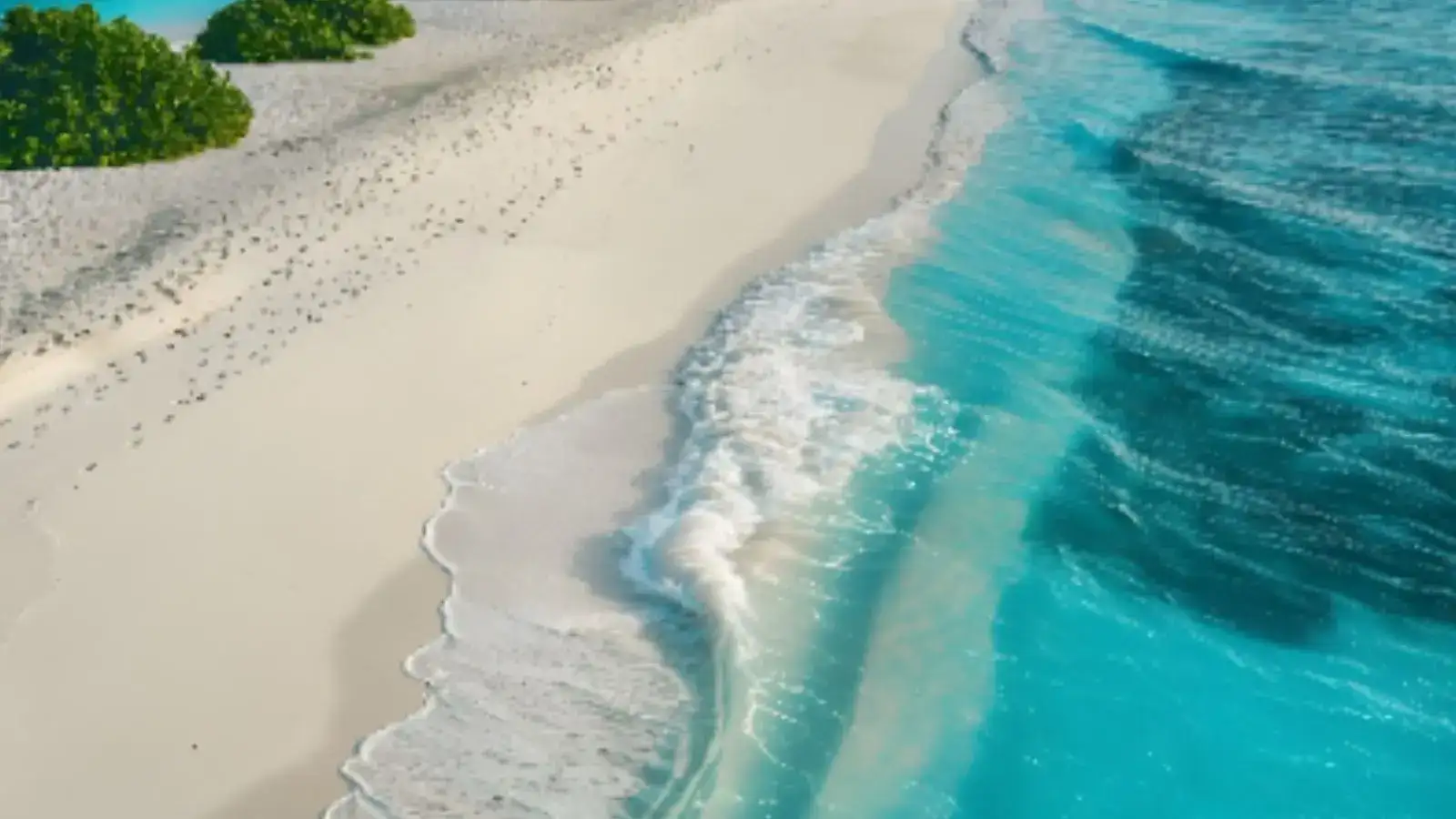
1. Whitehaven Beach, Australia – Pure Silica Sands and Pristine Waters
Whitehaven Beach in the Whitsunday Islands is often ranked among the cleanest beaches in the world . Its sand is made up of over 98% pure silica, giving it a dazzling white glow. Protected under national marine parks, the area benefits from strict tourism controls, environmental monitoring, and conservation programs that maintain its untouched beauty.
2. Anse Source d’Argent, Seychelles – Granite Beauty Meets Crystal Lagoons
Located on La Digue Island, Anse Source d’Argent is famous for its dramatic granite boulders and shallow turquoise waters. This beach is part of a protected conservation zone, where development is tightly controlled. Regular clean-up drives and strict environmental rules ensure it remains one of the most picturesque and pollution-free beaches globally.
Also Read: World Oceans Day 2026: Why Ocean Health Is Key to Our Planet’s Climate, Food and Marine Life
3. Matira Beach, French Polynesia – A Peaceful Tropical Escape
Matira Beach in Bora Bora is known for its calm waters, soft sands, and peaceful surroundings. Thanks to its remote location and sustainable tourism practices, pollution levels remain extremely low. Local communities actively support eco-friendly initiatives, helping preserve its natural charm and cleanliness throughout the year.
4. Spiaggia dei Conigli, Italy – A Protected Turtle Nesting Paradise
Also known as Rabbit Beach, Spiaggia dei Conigli on Lampedusa Island is one of Europe’s cleanest coastlines. It serves as a vital nesting site for endangered loggerhead turtles. Strict visitor limits, environmental protection laws, and regular water-quality checks help maintain its pristine condition and rich biodiversity.
5. Grace Bay, Turks and Caicos – Soft Sands and Calm Turquoise Seas
Grace Bay is famous for its powdery white sand and clear blue waters. Carefully planned tourism and strong environmental policies ensure the beach remains clean and well-preserved. Offshore coral reefs naturally protect the coastline, making it ideal for swimming, snorkelling, and family-friendly holidays.
6. Elafonissi Beach, Greece – Pink Sands and Protected Ecosystems
Elafonissi Beach in Crete is known for its rare pink-tinted sand and shallow lagoons. As part of the Natura 2000 protected network, it benefits from strict conservation efforts. Limited construction, controlled tourism, and ongoing maintenance help preserve its fragile ecosystem and stunning natural beauty.
7. Radhanagar Beach, India – A Blue Flag Coastal Gem
Radhanagar Beach on Havelock Island in the Andaman and Nicobar Islands is one of India’s cleanest beaches. Awarded the Blue Flag certification, it meets high standards for water quality, safety, and environmental management. Surrounded by dense tropical forests, it is carefully protected from pollution and over-tourism.
These seven beaches prove that natural beauty and environmental responsibility can go hand in hand. On World Oceans Day 2026, they stand as shining examples of how conservation efforts, sustainable tourism, and community participation can keep the world’s coastlines clean, healthy, and truly unforgettable.
1. Whitehaven Beach, Australia – Pure Silica Sands and Pristine Waters
Whitehaven Beach in the Whitsunday Islands is often ranked among the cleanest beaches in the world . Its sand is made up of over 98% pure silica, giving it a dazzling white glow. Protected under national marine parks, the area benefits from strict tourism controls, environmental monitoring, and conservation programs that maintain its untouched beauty.
2. Anse Source d’Argent, Seychelles – Granite Beauty Meets Crystal Lagoons
Located on La Digue Island, Anse Source d’Argent is famous for its dramatic granite boulders and shallow turquoise waters. This beach is part of a protected conservation zone, where development is tightly controlled. Regular clean-up drives and strict environmental rules ensure it remains one of the most picturesque and pollution-free beaches globally.
Also Read: World Oceans Day 2026: Why Ocean Health Is Key to Our Planet’s Climate, Food and Marine Life
3. Matira Beach, French Polynesia – A Peaceful Tropical Escape
Matira Beach in Bora Bora is known for its calm waters, soft sands, and peaceful surroundings. Thanks to its remote location and sustainable tourism practices, pollution levels remain extremely low. Local communities actively support eco-friendly initiatives, helping preserve its natural charm and cleanliness throughout the year.
4. Spiaggia dei Conigli, Italy – A Protected Turtle Nesting Paradise
Also known as Rabbit Beach, Spiaggia dei Conigli on Lampedusa Island is one of Europe’s cleanest coastlines. It serves as a vital nesting site for endangered loggerhead turtles. Strict visitor limits, environmental protection laws, and regular water-quality checks help maintain its pristine condition and rich biodiversity.
5. Grace Bay, Turks and Caicos – Soft Sands and Calm Turquoise Seas
Grace Bay is famous for its powdery white sand and clear blue waters. Carefully planned tourism and strong environmental policies ensure the beach remains clean and well-preserved. Offshore coral reefs naturally protect the coastline, making it ideal for swimming, snorkelling, and family-friendly holidays.
6. Elafonissi Beach, Greece – Pink Sands and Protected Ecosystems
Elafonissi Beach in Crete is known for its rare pink-tinted sand and shallow lagoons. As part of the Natura 2000 protected network, it benefits from strict conservation efforts. Limited construction, controlled tourism, and ongoing maintenance help preserve its fragile ecosystem and stunning natural beauty.
7. Radhanagar Beach, India – A Blue Flag Coastal Gem
Radhanagar Beach on Havelock Island in the Andaman and Nicobar Islands is one of India’s cleanest beaches. Awarded the Blue Flag certification, it meets high standards for water quality, safety, and environmental management. Surrounded by dense tropical forests, it is carefully protected from pollution and over-tourism.
These seven beaches prove that natural beauty and environmental responsibility can go hand in hand. On World Oceans Day 2026, they stand as shining examples of how conservation efforts, sustainable tourism, and community participation can keep the world’s coastlines clean, healthy, and truly unforgettable.
Next Story