
World Oceans Day 2026: Importance, Major Threats and Ways to Save the Oceans

World Oceans Day 2026 highlights the urgent need to protect and preserve the planet’s vast blue life-support system. Observed every year on 8 June, this global event celebrates the importance of oceans while raising awareness about the challenges they face. From climate change to pollution, the oceans are under pressure like never before, making conservation efforts more important than ever.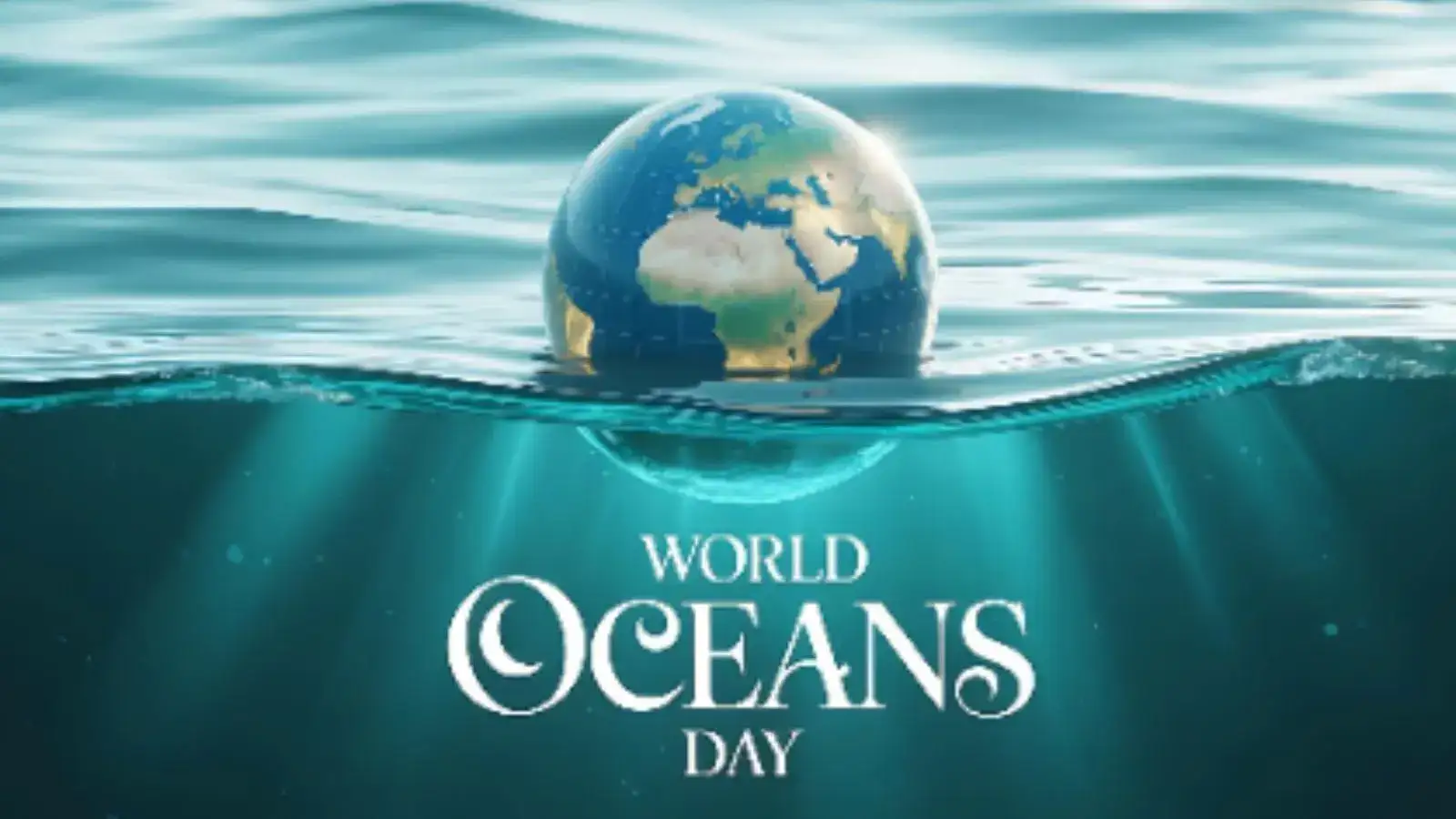
World Oceans Day serves as a reminder that healthy oceans are essential for life on Earth, providing food, oxygen, climate balance, and livelihoods for millions of people.
Theme of World Oceans Day 2026: A Call to REIMAGINE the Ocean Relationship
The theme for 2026, “REIMAGINE: Beyond the world we know, a new relationship with our ocean,” encourages humanity to rethink how we interact with marine ecosystems. It focuses on building a more respectful, responsible, and sustainable connection with the oceans to ensure their long-term survival.
The Wonders of the Ocean: A Living Blue World
Oceans cover more than 70% of the Earth’s surface and are home to extraordinary biodiversity. They are filled with vibrant coral reefs, colourful fish, deep-sea creatures, powerful sharks, and majestic whales.
Key highlights of ocean biodiversity include:
These wonders make oceans one of the most valuable natural treasures on Earth.
Major Threats Facing the Oceans Today
Plastic Pollution: A Growing Crisis
One of the most severe threats is plastic waste. Millions of tonnes of plastic enter oceans every year, harming marine life and disrupting ecosystems. Sea animals often mistake plastic for food, leading to injury or death.
Climate Change and Rising Ocean Temperatures
Global warming is causing ocean temperatures to rise, which leads to coral bleaching , loss of marine habitats, and changes in species distribution. Many marine organisms struggle to survive in rapidly changing conditions.
Overfishing and Unsustainable Practices
Unregulated fishing practices are depleting fish populations and damaging marine biodiversity. This not only affects marine life but also threatens the livelihoods of communities dependent on fishing.
Global Efforts to Protect Marine Ecosystems
Across the world, several initiatives are working to restore ocean health, including:
These efforts aim to rebuild marine ecosystems and ensure long-term sustainability.
How Technology is Helping Ocean Conservation
Modern technology is playing a crucial role in protecting oceans. Scientists now use advanced tools such as:
These innovations help track pollution, monitor wildlife, and study changes in ocean health more effectively.
How Individuals Can Help Protect Oceans
Every person can contribute to ocean conservation through simple lifestyle changes:
Small actions, when combined, can create a significant positive impact.
World Oceans Day 2026 is not just a celebration but a global reminder of responsibility. Oceans are essential for life, climate balance, and biodiversity. By reducing pollution, protecting marine life, and adopting sustainable practices, humanity can ensure that oceans remain healthy and thriving for future generations.
World Oceans Day serves as a reminder that healthy oceans are essential for life on Earth, providing food, oxygen, climate balance, and livelihoods for millions of people.
Theme of World Oceans Day 2026: A Call to REIMAGINE the Ocean Relationship
The theme for 2026, “REIMAGINE: Beyond the world we know, a new relationship with our ocean,” encourages humanity to rethink how we interact with marine ecosystems. It focuses on building a more respectful, responsible, and sustainable connection with the oceans to ensure their long-term survival.
The Wonders of the Ocean: A Living Blue World
Oceans cover more than 70% of the Earth’s surface and are home to extraordinary biodiversity. They are filled with vibrant coral reefs, colourful fish, deep-sea creatures, powerful sharks, and majestic whales.
Key highlights of ocean biodiversity include:
- Rich coral reef ecosystems supporting thousands of marine species
- Deep-sea habitats that are still largely unexplored
- Migratory species like whales that travel across oceans
- Coastal ecosystems that support human communities and wildlife
These wonders make oceans one of the most valuable natural treasures on Earth.
Major Threats Facing the Oceans Today
Plastic Pollution: A Growing Crisis
One of the most severe threats is plastic waste. Millions of tonnes of plastic enter oceans every year, harming marine life and disrupting ecosystems. Sea animals often mistake plastic for food, leading to injury or death.
Climate Change and Rising Ocean Temperatures
Global warming is causing ocean temperatures to rise, which leads to coral bleaching , loss of marine habitats, and changes in species distribution. Many marine organisms struggle to survive in rapidly changing conditions.
Overfishing and Unsustainable Practices
Unregulated fishing practices are depleting fish populations and damaging marine biodiversity. This not only affects marine life but also threatens the livelihoods of communities dependent on fishing.
Global Efforts to Protect Marine Ecosystems
Across the world, several initiatives are working to restore ocean health, including:
- Creation of marine protected areas
- Large-scale coastal cleanup drives
- Promotion of sustainable fishing methods
- International agreements on ocean conservation
These efforts aim to rebuild marine ecosystems and ensure long-term sustainability.
How Technology is Helping Ocean Conservation
Modern technology is playing a crucial role in protecting oceans. Scientists now use advanced tools such as:
- Ocean-monitoring drones
- Satellite tracking systems
- AI-based marine data analysis
- Renewable energy solutions for coastal regions
These innovations help track pollution, monitor wildlife, and study changes in ocean health more effectively.
How Individuals Can Help Protect Oceans
Every person can contribute to ocean conservation through simple lifestyle changes:
- Reducing single-use plastic usage
- Participating in beach and river clean-ups
- Supporting sustainable seafood choices
- Spreading awareness about ocean conservation
- Conserving water and reducing carbon footprint
Small actions, when combined, can create a significant positive impact.
World Oceans Day 2026 is not just a celebration but a global reminder of responsibility. Oceans are essential for life, climate balance, and biodiversity. By reducing pollution, protecting marine life, and adopting sustainable practices, humanity can ensure that oceans remain healthy and thriving for future generations.
Next Story