
World Oceans Day 2026: Why Ocean Health Is Key to Our Planet’s Climate, Food and Marine Life

World Oceans Day 2026 is a powerful reminder of how deeply our survival is connected to the oceans. Celebrated every year on 8 June, this global event highlights the urgent need to protect marine ecosystems that support climate balance, food security and biodiversity . In 2026, the message is especially critical as oceans continue to face increasing threats from pollution, rising temperatures and unsustainable human activities.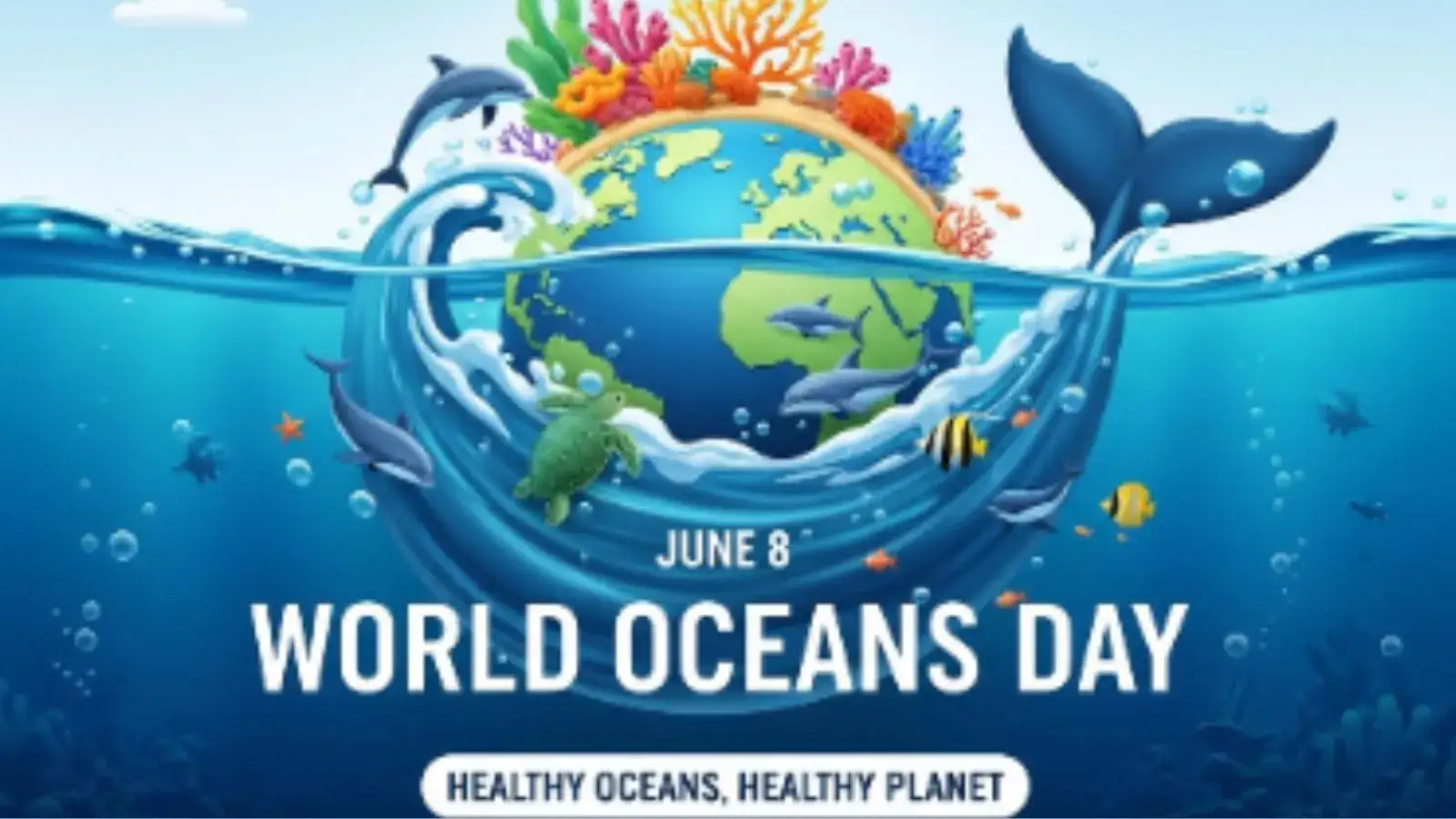
Covering more than 70% of the Earth’s surface, oceans are often called the planet’s life-support system. They generate a large share of the oxygen we breathe, regulate global weather patterns and sustain millions of species. However, this vital system is under severe pressure, making ocean conservation more important than ever.
What Is World Oceans Day?
World Oceans Day is an annual international observance dedicated to celebrating the ocean and encouraging action to protect it.
The day brings together governments, environmental organisations, schools and individuals to spread awareness and promote sustainable practices for marine protection.
Why Ocean Health Is Crucial for the Planet
1. Oceans Help Regulate Climate
Oceans play a key role in controlling Earth’s climate. They absorb heat and carbon dioxide from the atmosphere, reducing the speed of global warming. Without this natural system, climate change would accelerate at a much faster rate.
2. Oceans Support Biodiversity
From coral reefs to deep-sea ecosystems, oceans are home to millions of species. These habitats form complex food chains that maintain ecological balance and ensure the survival of marine life.
3. Oceans Provide Food and Livelihoods
Billions of people depend on oceans for food and income. Fisheries, tourism and shipping industries all rely on healthy marine environments, making ocean conservation essential for global economic stability.
Fascinating Ocean Facts You May Not Know
The ocean is full of mysteries and wonders that continue to surprise scientists.
These examples show how little we still understand about our oceans - and how much there is left to protect.
Major Threats Facing Oceans in 2026
1. Ocean Pollution
Plastic pollution remains one of the biggest environmental challenges today. Millions of tonnes of plastic waste enter oceans every year, harming marine life through ingestion, entanglement and habitat destruction. Many of these materials take decades or even centuries to break down.
2. Climate Change and Rising Temperatures
Rising global temperatures are warming ocean waters, disrupting marine ecosystems. Coral bleaching is becoming more frequent, and many species are struggling to adapt to rapid environmental changes.
3. Overfishing and Habitat Destruction
Unsustainable fishing practices are depleting fish populations faster than they can recover. At the same time, destructive fishing methods damage coral reefs and seabeds, threatening both biodiversity and food security.
How People Around the World Celebrate World Oceans Day
World Oceans Day is marked globally through meaningful environmental activities such as:
Digital platforms have also amplified the movement, allowing millions to share ideas, spread awareness and encourage eco-friendly habits.
Simple Ways to Protect Ocean Health
Everyone can contribute to ocean conservation through small but impactful actions:
Even minor lifestyle changes, when adopted widely, can create a significant positive impact.
A Shared Responsibility
World Oceans Day 2026 highlights a simple truth - our future depends on the health of our oceans. They regulate climate, sustain biodiversity and support billions of livelihoods across the world.
Protecting oceans is not the responsibility of a few, but a shared global duty. With collective effort from individuals, governments and industries, we can reduce damage, restore marine ecosystems and ensure a cleaner, healthier planet for future generations.
Covering more than 70% of the Earth’s surface, oceans are often called the planet’s life-support system. They generate a large share of the oxygen we breathe, regulate global weather patterns and sustain millions of species. However, this vital system is under severe pressure, making ocean conservation more important than ever.
What Is World Oceans Day?
World Oceans Day is an annual international observance dedicated to celebrating the ocean and encouraging action to protect it.
- Observed every year on 8 June
- Recognised globally by the United Nations since 2008
- First proposed during the Earth Summit in Rio de Janeiro (1992)
The day brings together governments, environmental organisations, schools and individuals to spread awareness and promote sustainable practices for marine protection.
Why Ocean Health Is Crucial for the Planet
1. Oceans Help Regulate Climate
Oceans play a key role in controlling Earth’s climate. They absorb heat and carbon dioxide from the atmosphere, reducing the speed of global warming. Without this natural system, climate change would accelerate at a much faster rate.
2. Oceans Support Biodiversity
From coral reefs to deep-sea ecosystems, oceans are home to millions of species. These habitats form complex food chains that maintain ecological balance and ensure the survival of marine life.
3. Oceans Provide Food and Livelihoods
Billions of people depend on oceans for food and income. Fisheries, tourism and shipping industries all rely on healthy marine environments, making ocean conservation essential for global economic stability.
Fascinating Ocean Facts You May Not Know
The ocean is full of mysteries and wonders that continue to surprise scientists.
- There are deep-sea creatures that look almost alien, surviving in complete darkness under extreme pressure.
- The Atlantic Ocean hides a unique stretch often described as a “sea without land”, a vast open-water zone that feels endless and isolated.
These examples show how little we still understand about our oceans - and how much there is left to protect.
Major Threats Facing Oceans in 2026
1. Ocean Pollution
Plastic pollution remains one of the biggest environmental challenges today. Millions of tonnes of plastic waste enter oceans every year, harming marine life through ingestion, entanglement and habitat destruction. Many of these materials take decades or even centuries to break down.
2. Climate Change and Rising Temperatures
Rising global temperatures are warming ocean waters, disrupting marine ecosystems. Coral bleaching is becoming more frequent, and many species are struggling to adapt to rapid environmental changes.
3. Overfishing and Habitat Destruction
Unsustainable fishing practices are depleting fish populations faster than they can recover. At the same time, destructive fishing methods damage coral reefs and seabeds, threatening both biodiversity and food security.
How People Around the World Celebrate World Oceans Day
World Oceans Day is marked globally through meaningful environmental activities such as:
- Beach and coastal clean-up drives
- Educational workshops in schools and colleges
- Public awareness campaigns and exhibitions
- Conservation-focused community events
- Social media campaigns promoting sustainability
Digital platforms have also amplified the movement, allowing millions to share ideas, spread awareness and encourage eco-friendly habits.
Simple Ways to Protect Ocean Health
Everyone can contribute to ocean conservation through small but impactful actions:
- Reduce the use of single-use plastics
- Choose sustainably sourced seafood
- Save water and energy in daily life
- Participate in local clean-up drives
- Support marine conservation organisations
- Educate others about ocean protection
Even minor lifestyle changes, when adopted widely, can create a significant positive impact.
A Shared Responsibility
World Oceans Day 2026 highlights a simple truth - our future depends on the health of our oceans. They regulate climate, sustain biodiversity and support billions of livelihoods across the world.
Protecting oceans is not the responsibility of a few, but a shared global duty. With collective effort from individuals, governments and industries, we can reduce damage, restore marine ecosystems and ensure a cleaner, healthier planet for future generations.
Next Story