
5 Unique Temples in India Where Prasad Cannot Be Taken Home – Surprising Rules Explained

In India, the tradition of taking prasad home from temples is deeply rooted in devotion and belief. From Tirupati’s famous laddus to Puri’s Mahaprasad, devotees often carry these sacred offerings as blessings for their loved ones. However, the keyword “5 unique temples in India where bringing the prasad home is not allowed and recommended” highlights a lesser-known reality - some temples strictly discourage or completely prohibit taking prasad outside their premises due to spiritual beliefs and age-old traditions.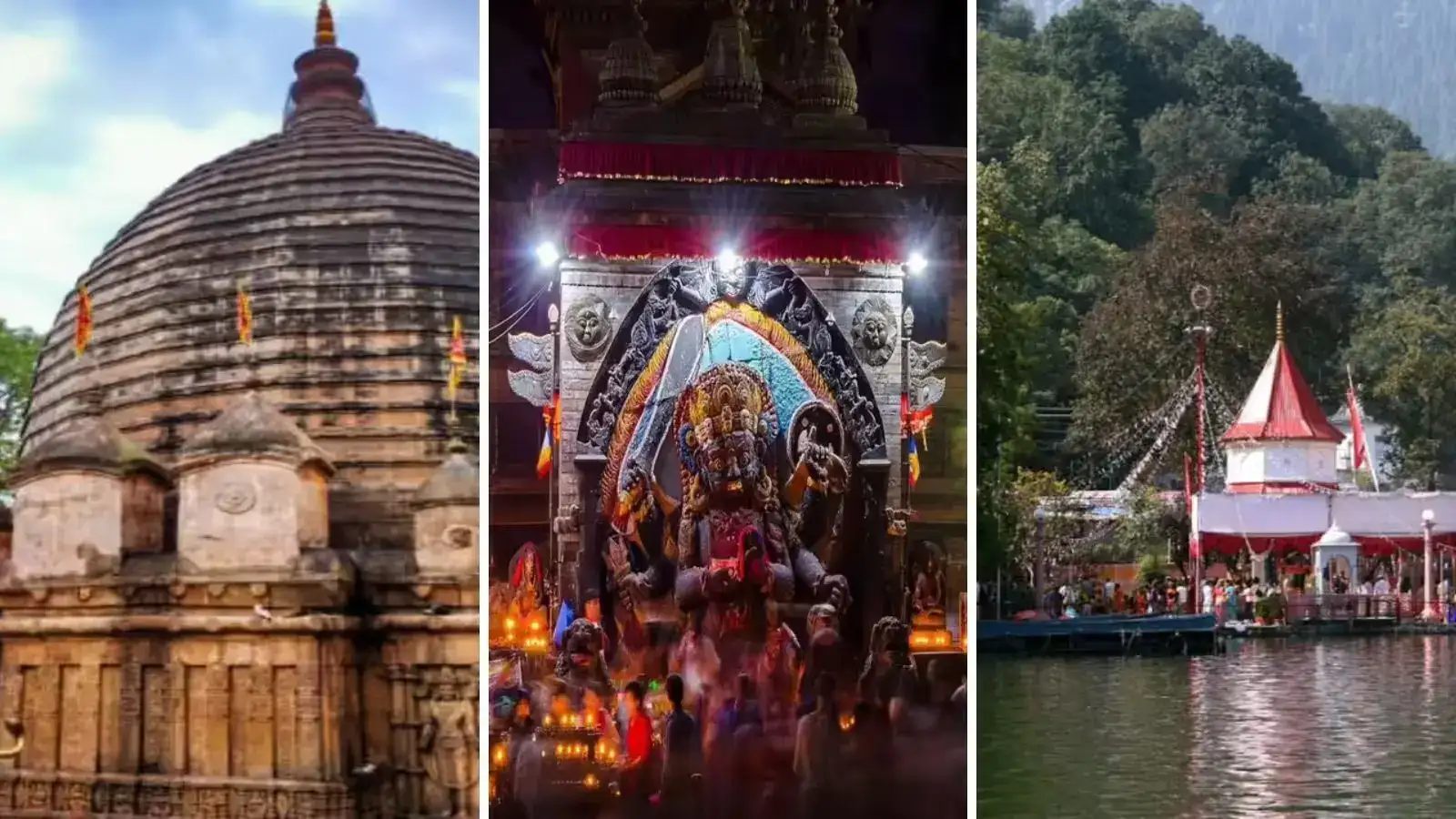
These temples stand apart not just for their rituals, but also for their powerful legends and unique customs that continue to intrigue pilgrims from across the world.
1. Mehandipur Balaji Temple , Rajasthan – Where Energy Is Left Behind
The Mehandipur Balaji Temple is one of India’s most mysterious and spiritually intense shrines. Dedicated to Lord Hanuman in his child form, the temple is widely known for rituals associated with healing negative energies and spiritual disturbances.
A strict tradition here advises devotees not to take prasad or any food items outside the temple premises. The belief is that offerings made during rituals absorb negative energies that devotees come to release. Carrying them home is considered spiritually unsafe, so visitors are encouraged to consume or leave the offerings within the temple itself.
2. Kamakhya Temple , Assam – Sacred Energy of the Shakti Peetha
Located on Nilachal Hill, the Kamakhya Temple is one of the most powerful Shakti Peethas in India and a major centre of Tantric worship. Unlike conventional temples, its rituals are deeply symbolic and rooted in ancient spiritual traditions.
During events like the Ambubachi Mela, offerings distributed here are considered highly sacred and are meant to be consumed within the temple grounds. Devotees are often advised not to carry certain prasad items home, as they are believed to hold intense spiritual energy associated with the goddess.
3. Kotilingeshwara Temple , Karnataka – Home of Millions of Shiva Lingas
The Kotilingeshwara Temple is famous for housing millions of Shiva lingas, making it one of the most visually striking temples in India. Devotees from across the country visit to witness its spiritual grandeur.
A unique belief here is linked to Chandeshwara, a devotee of Lord Shiva. According to tradition, the prasad offered is symbolically considered his share. Because of this belief system, many devotees avoid taking prasad home, respecting the temple’s spiritual customs.
4. Kaal Bhairav Temple , Madhya Pradesh – The Temple of Liquor Offerings
Situated in the ancient city of Ujjain, the Kaal Bhairav Temple is dedicated to a fierce form of Lord Shiva. What makes it truly unique is the unusual offering of liquor to the deity, a ritual that fascinates visitors and pilgrims alike.
Unlike regular temples, the offerings here, including liquor, are meant exclusively for the deity. Devotees are not permitted or encouraged to take these offerings back home, as they are considered part of a sacred ritual rather than traditional prasad.
5. Naina Devi Temple , Himachal Pradesh – Sacred Hilltop Beliefs
Perched in the scenic Shivalik Hills, the Naina Devi Temple is one of the revered Shakti Peethas in India. The temple is associated with several local legends and deeply rooted spiritual traditions.
One such belief is that certain offerings made to the goddess should remain within the temple premises. While practices may vary among devotees, many still follow the traditional guidance of not taking prasad home, respecting the sanctity of the shrine.
The concept of prasad in India is usually associated with sharing divine blessings with family and friends. However, these 5 unique temples in India where bringing prasad home is not allowed and recommended reveal a different spiritual philosophy - one where offerings are meant to be consumed or left within the sacred space itself. These traditions, shaped by centuries of belief, continue to add depth and mystery to India’s rich spiritual landscape.
These temples stand apart not just for their rituals, but also for their powerful legends and unique customs that continue to intrigue pilgrims from across the world.
1. Mehandipur Balaji Temple , Rajasthan – Where Energy Is Left Behind
The Mehandipur Balaji Temple is one of India’s most mysterious and spiritually intense shrines. Dedicated to Lord Hanuman in his child form, the temple is widely known for rituals associated with healing negative energies and spiritual disturbances.
A strict tradition here advises devotees not to take prasad or any food items outside the temple premises. The belief is that offerings made during rituals absorb negative energies that devotees come to release. Carrying them home is considered spiritually unsafe, so visitors are encouraged to consume or leave the offerings within the temple itself.
2. Kamakhya Temple , Assam – Sacred Energy of the Shakti Peetha
Located on Nilachal Hill, the Kamakhya Temple is one of the most powerful Shakti Peethas in India and a major centre of Tantric worship. Unlike conventional temples, its rituals are deeply symbolic and rooted in ancient spiritual traditions.
You may also like
- Parama Ekadashi 2026: Date, parana time, puja vidhi, mantra and significance
- How to explain Hindu fasts and festivals to colleagues: A practical guide for US and UK hindu families
- Tuesday remedies you can perform to appease Lord Hanuman
- Ekadashi do's and don'ts you should follow while observing fast
- Kalashtami June 2026: Date, time, puja rituals and significance
During events like the Ambubachi Mela, offerings distributed here are considered highly sacred and are meant to be consumed within the temple grounds. Devotees are often advised not to carry certain prasad items home, as they are believed to hold intense spiritual energy associated with the goddess.
3. Kotilingeshwara Temple , Karnataka – Home of Millions of Shiva Lingas
The Kotilingeshwara Temple is famous for housing millions of Shiva lingas, making it one of the most visually striking temples in India. Devotees from across the country visit to witness its spiritual grandeur.
A unique belief here is linked to Chandeshwara, a devotee of Lord Shiva. According to tradition, the prasad offered is symbolically considered his share. Because of this belief system, many devotees avoid taking prasad home, respecting the temple’s spiritual customs.
4. Kaal Bhairav Temple , Madhya Pradesh – The Temple of Liquor Offerings
Situated in the ancient city of Ujjain, the Kaal Bhairav Temple is dedicated to a fierce form of Lord Shiva. What makes it truly unique is the unusual offering of liquor to the deity, a ritual that fascinates visitors and pilgrims alike.
Unlike regular temples, the offerings here, including liquor, are meant exclusively for the deity. Devotees are not permitted or encouraged to take these offerings back home, as they are considered part of a sacred ritual rather than traditional prasad.
5. Naina Devi Temple , Himachal Pradesh – Sacred Hilltop Beliefs
Perched in the scenic Shivalik Hills, the Naina Devi Temple is one of the revered Shakti Peethas in India. The temple is associated with several local legends and deeply rooted spiritual traditions.
One such belief is that certain offerings made to the goddess should remain within the temple premises. While practices may vary among devotees, many still follow the traditional guidance of not taking prasad home, respecting the sanctity of the shrine.
The concept of prasad in India is usually associated with sharing divine blessings with family and friends. However, these 5 unique temples in India where bringing prasad home is not allowed and recommended reveal a different spiritual philosophy - one where offerings are meant to be consumed or left within the sacred space itself. These traditions, shaped by centuries of belief, continue to add depth and mystery to India’s rich spiritual landscape.






More from our partners


Loving Newspoint? Download the app now
