
How Fraudsters Use Delivery Alerts to Steal Personal Information

Online shopping became so routine that most people barely question delivery notifications anymore.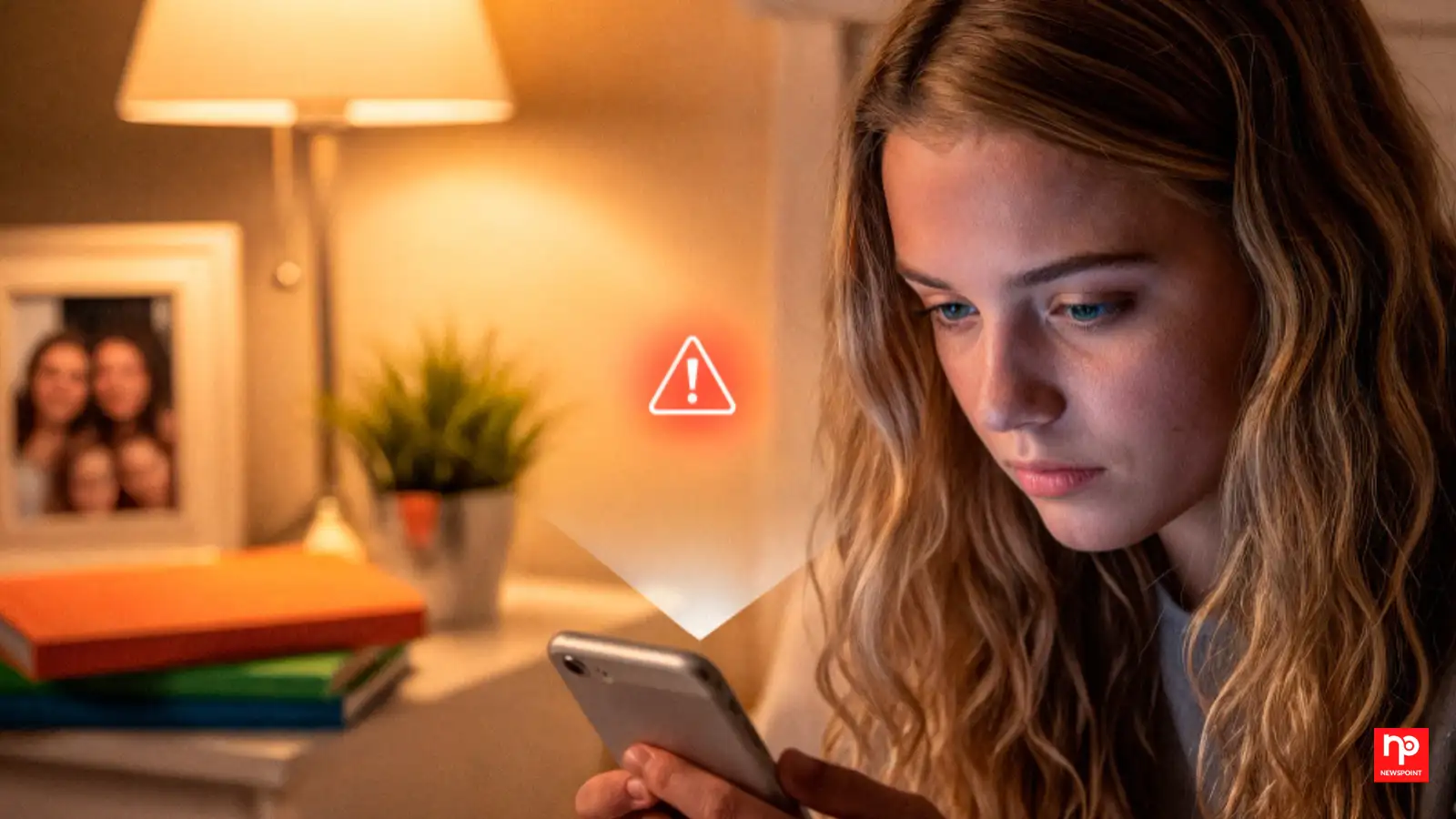
Messages about missed parcels, address confirmation, customs fees, or shipping updates appear constantly through SMS, email, and messaging apps. Because deliveries are now part of everyday life, scammers realised these alerts create perfect opportunities for digital fraud .
Fake delivery scams are now among the most widespread smartphone-based cyber threats globally.
This makes fake delivery messages feel believable immediately. Victims receive texts claiming a package cannot be delivered until a payment, address update, or verification step is completed.
The links often lead to fake websites designed to steal card details or login information.
Messages may warn that parcels will be returned, delayed, or cancelled unless immediate action is taken. This urgency pushes people into reacting emotionally before checking details carefully.
Cybersecurity researchers say urgency remains one of the most effective manipulation tactics in digital scams.
Suspicious URLs, spelling mistakes, or fake website designs become harder to notice quickly on smaller displays. Many users also multitask while reading messages, reducing attention further.
Knowing someone’s name, phone number, or city can make fraudulent messages seem surprisingly legitimate.
People are now trained to react instantly to notifications, deliveries, and payment requests. Cybercriminals increasingly exploit that automatic behaviour rather than relying only on advanced technical hacking methods.
In today’s connected world, caution is becoming just as valuable as convenience itself.
Messages about missed parcels, address confirmation, customs fees, or shipping updates appear constantly through SMS, email, and messaging apps. Because deliveries are now part of everyday life, scammers realised these alerts create perfect opportunities for digital fraud .
Fake delivery scams are now among the most widespread smartphone-based cyber threats globally.
The Scams Exploit Everyday Behaviour
Fraudsters know many people regularly expect parcels from online shopping platforms.This makes fake delivery messages feel believable immediately. Victims receive texts claiming a package cannot be delivered until a payment, address update, or verification step is completed.
The links often lead to fake websites designed to steal card details or login information.
Urgency Increases Success Rates
Most fake delivery alerts create time pressure deliberately.Messages may warn that parcels will be returned, delayed, or cancelled unless immediate action is taken. This urgency pushes people into reacting emotionally before checking details carefully.
Cybersecurity researchers say urgency remains one of the most effective manipulation tactics in digital scams.
Mobile Screens Make Verification Harder
Smartphone screens display limited information compared to desktop computers.Suspicious URLs, spelling mistakes, or fake website designs become harder to notice quickly on smaller displays. Many users also multitask while reading messages, reducing attention further.
Data Leaks Help Scammers Look Convincing
Scammers sometimes combine leaked personal information with fake delivery alerts to appear more authentic.Knowing someone’s name, phone number, or city can make fraudulent messages seem surprisingly legitimate.
Digital Convenience Comes With New Risks
Online shopping transformed modern life through speed and convenience, but it also created entirely new scam opportunities tied to human habits and expectations.People are now trained to react instantly to notifications, deliveries, and payment requests. Cybercriminals increasingly exploit that automatic behaviour rather than relying only on advanced technical hacking methods.
In today’s connected world, caution is becoming just as valuable as convenience itself.
Next Story