
Why So Many People Sleep With Their Phones Next to the Bed Every Night

For many people, the last thing they touch before sleeping and the first thing they check after waking up is their smartphone.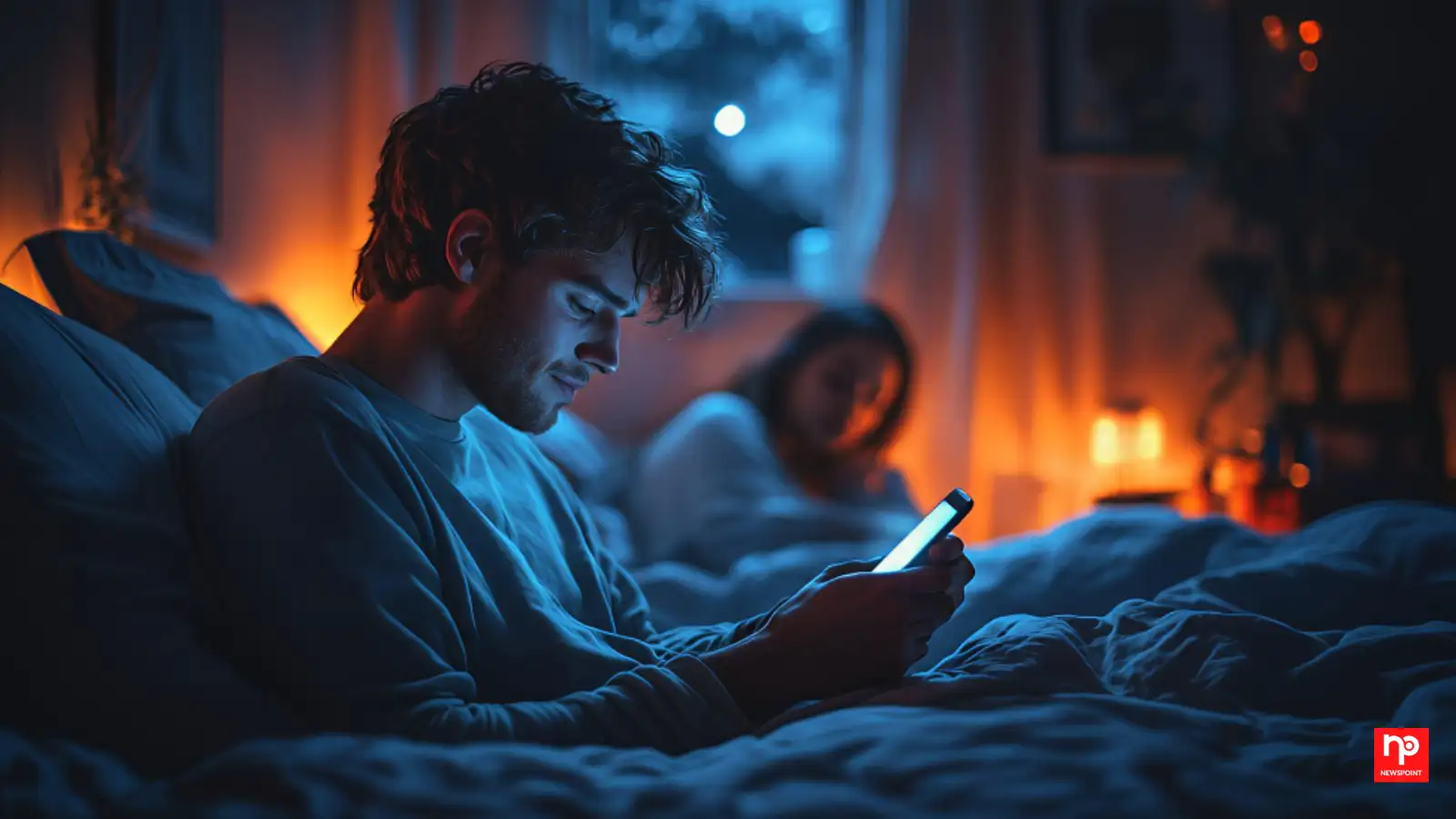
Phones now sit beside pillows, under blankets, on charging stands, or directly within arm’s reach every single night. What started as a convenient alarm clock replacement quietly became a deeply ingrained lifestyle habit.
Sleep experts and psychologists have increasingly studied this behaviour because it reveals how strongly smartphones integrated themselves into daily routines.
Today, smartphones combine all those functions into one device. They provide alarms, weather updates, music, entertainment, reminders, and communication in a single screen.
This convenience made phones feel essential at bedtime rather than optional.
The problem is that digital content rarely has a natural stopping point. One video leads to another, and a quick five-minute check can quietly become an hour of screen time.
Notifications and vibrations can disturb sleep quality indirectly because the brain remains aware that communication may arrive at any moment.
Some users even wake up automatically to check messages during the night without fully realising it.
Although researchers continue debating the exact impact, many sleep specialists recommend reducing screen exposure before bedtime whenever possible.
That is partly why night mode and eye comfort features became common on modern devices.
Today, smartphones keep people continuously linked to entertainment, work, shopping, and social interaction even during hours previously reserved for rest.
The modern phone is no longer simply a communication tool. For many people, it became a permanent companion that rarely leaves their side, even while they sleep.
Phones now sit beside pillows, under blankets, on charging stands, or directly within arm’s reach every single night. What started as a convenient alarm clock replacement quietly became a deeply ingrained lifestyle habit.
Sleep experts and psychologists have increasingly studied this behaviour because it reveals how strongly smartphones integrated themselves into daily routines.
Smartphones Replaced Multiple Bedside Items
Years ago, people kept alarm clocks, books, radios, watches, and calendars beside their beds.Today, smartphones combine all those functions into one device. They provide alarms, weather updates, music, entertainment, reminders, and communication in a single screen.
This convenience made phones feel essential at bedtime rather than optional.
Night-Time Scrolling Became a Habit
Many users spend extra time scrolling through social media, watching short videos, replying to messages, or browsing news before sleeping.The problem is that digital content rarely has a natural stopping point. One video leads to another, and a quick five-minute check can quietly become an hour of screen time.
Notifications Interrupt Mental Rest
Even while sleeping, many people remain partially connected to work chats, social media alerts, emails, or late-night messages.You may also like
- Pixel Watch latest update may have broken one of the key features, Google says fix coming soon
- Ubisoft confirms Assassin's Creed Black Flag Resynced will keep Edward Kenway's drunk animus scene
- Read AI oversight order that President Donald Trump said 'didn't like certain aspects of it'
- What Pronto's new video recording feature means for your privacy
- PIL against 'Cockroach Janta Party' filed in SC
Notifications and vibrations can disturb sleep quality indirectly because the brain remains aware that communication may arrive at any moment.
Some users even wake up automatically to check messages during the night without fully realising it.
Blue Light Became a Growing Concern
Smartphone screens emit blue light that may affect melatonin production, the hormone linked to sleep cycles.Although researchers continue debating the exact impact, many sleep specialists recommend reducing screen exposure before bedtime whenever possible.
That is partly why night mode and eye comfort features became common on modern devices.
Phones Quietly Changed Evening Routines
The bedroom was once considered a space largely disconnected from outside activity.Today, smartphones keep people continuously linked to entertainment, work, shopping, and social interaction even during hours previously reserved for rest.
The modern phone is no longer simply a communication tool. For many people, it became a permanent companion that rarely leaves their side, even while they sleep.






More from our partners


Loving Newspoint? Download the app now
