
How To Choose The Right Car For Indian Roads Without Overspending Or Compromising Comfort

How To Choose The Right Car For Indian Roads: Buying a car in India is often one of the biggest financial decisions for a family. With changing lifestyles, growing traffic and rising fuel prices, selecting the right vehicle has become more important than ever. Indian roads present unique challenges, including uneven surfaces, potholes, crowded city traffic, narrow streets and long highway journeys. Because of this, a car that performs well in one country may not always be ideal for Indian driving conditions.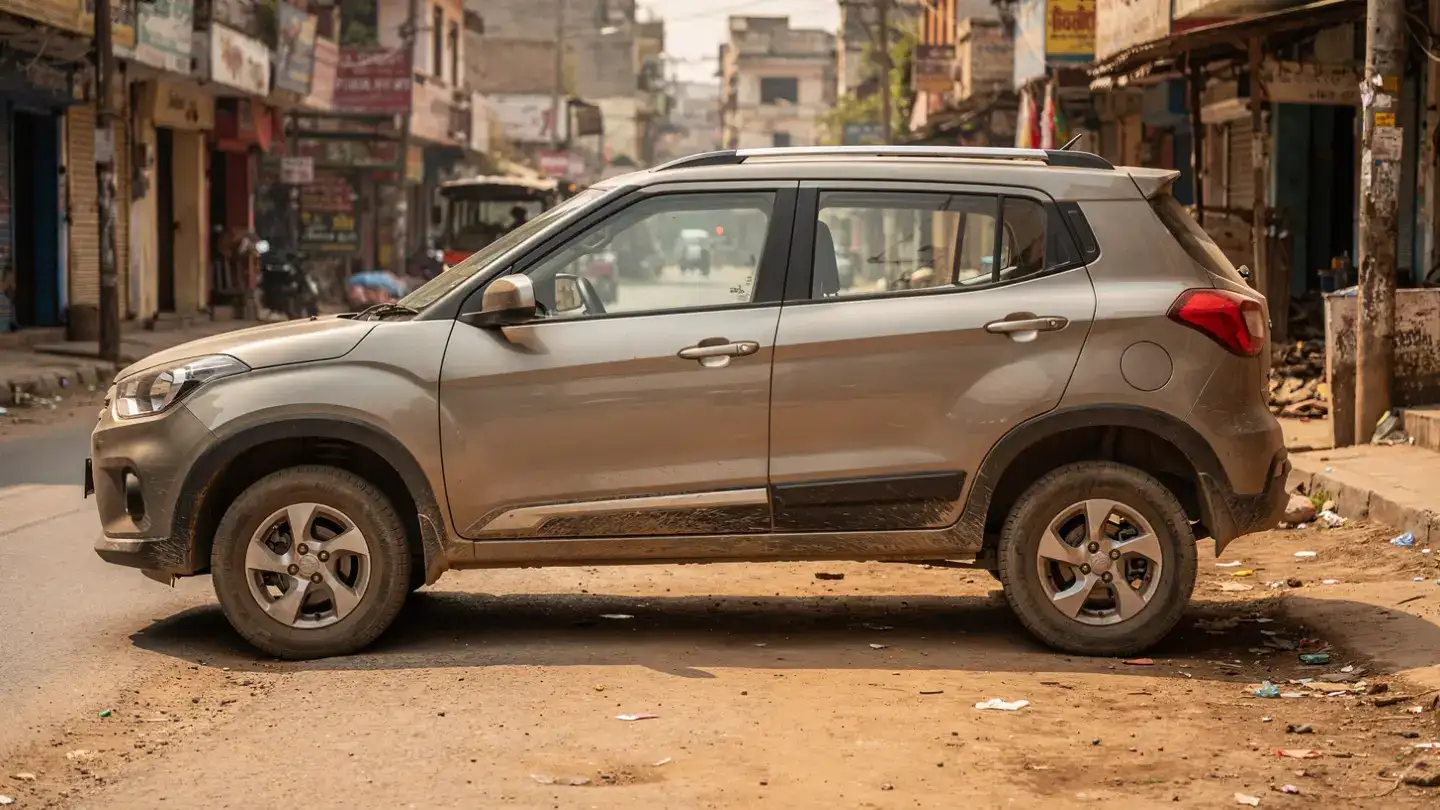
Today’s buyers have plenty of options across hatchbacks, sedans, SUVs and electric vehicles. While stylish design and modern features attract attention, practical factors such as fuel efficiency, ground clearance, maintenance costs and safety should always play a bigger role in decision-making. A carefully chosen vehicle not only improves comfort and convenience but also reduces long-term expenses and driving stress.
Here are some important factors to consider before choosing the best car for Indian roads .
Families that travel frequently on highways may benefit from larger sedans or SUVs that provide additional comfort, luggage space and stronger road presence. Similarly, buyers living in hilly regions or rural areas may require vehicles with better engine performance and higher ground clearance.
Understanding driving habits helps narrow down options and prevents unnecessary spending on features that may never be used regularly.
Vehicles with low ground clearance may scrape against damaged roads or large speed breakers, causing inconvenience and possible underbody damage. SUVs and compact SUVs have become increasingly popular partly because they handle rough roads more comfortably.
However, buyers should balance practicality with budget and fuel efficiency rather than choosing larger vehicles only for appearance.
Petrol cars are generally suitable for lower annual usage and city driving, while diesel vehicles may still benefit people covering longer highway distances regularly. Hybrid and electric vehicles are also gaining popularity in urban areas due to lower running costs and environmental benefits.
When comparing options, buyers should consider real-world mileage rather than depending entirely on company claims. Traffic conditions, driving style and maintenance also affect fuel economy over time.
A structurally strong car can offer better protection during accidents. Buyers should also check crash safety ratings wherever available before making a purchase.
Safety is particularly important for families, long-distance travellers and people who regularly drive on highways. Investing in a safer car often provides long-term peace of mind.
Compact hatchbacks and mid-sized SUVs often provide a good balance between comfort and convenience. Buyers should consider how easily the vehicle can be parked, turned and handled in crowded traffic situations.
Interior space also matters. Families should check rear-seat comfort, boot space and cabin practicality before finalising a vehicle.
A car with lower maintenance requirements usually proves more economical over several years. Buyers should also consider the availability of authorised service centres in their city or nearby regions.
Reliable after-sales support plays an important role in ownership satisfaction. A slightly more expensive car with dependable service may offer better value over time than a cheaper alternative with high maintenance issues.
Automatic climate control, reverse cameras, smartphone connectivity and steering-mounted controls are practical features for daily use. However, unnecessary premium features can increase the price significantly without adding much long-term value.
Choosing the right car involves balancing technology with affordability and practicality.
Different vehicles feel very different on Indian roads despite similar specifications on paper. During a test drive, buyers should pay attention to seating comfort, steering response, braking and ride quality over rough surfaces.
Testing multiple vehicles before making a final decision often leads to a more confident and informed purchase.
Choosing the right car for Indian roads requires careful thinking beyond style and marketing promises. Every buyer has different priorities depending on family size, travel habits, road conditions and financial planning.
By focusing on practicality, safety, fuel efficiency and long-term ownership costs, buyers can make smarter decisions that suit real Indian driving conditions. Whether selecting compact family cars India buyers prefer for city use or larger vehicles designed for highway journeys, the ideal choice is one that balances comfort, reliability and everyday usability.
Image Courtesy: Meta AI
Today’s buyers have plenty of options across hatchbacks, sedans, SUVs and electric vehicles. While stylish design and modern features attract attention, practical factors such as fuel efficiency, ground clearance, maintenance costs and safety should always play a bigger role in decision-making. A carefully chosen vehicle not only improves comfort and convenience but also reduces long-term expenses and driving stress.
Here are some important factors to consider before choosing the best car for Indian roads .
Understand Your Daily Driving Needs
The first step in choosing the right car is understanding how the vehicle will be used every day. City commuters often require compact cars that are easy to park and manoeuvre in heavy traffic. Smaller hatchbacks usually work well for short urban journeys because they offer better fuel efficiency and lower running costs.Families that travel frequently on highways may benefit from larger sedans or SUVs that provide additional comfort, luggage space and stronger road presence. Similarly, buyers living in hilly regions or rural areas may require vehicles with better engine performance and higher ground clearance.
Understanding driving habits helps narrow down options and prevents unnecessary spending on features that may never be used regularly.
Ground Clearance Matters On Indian Roads
Indian road conditions can vary dramatically even within the same city. Speed breakers, potholes, waterlogged roads and uneven surfaces are common in many areas. This makes ground clearance one of the most important factors while selecting a car.Vehicles with low ground clearance may scrape against damaged roads or large speed breakers, causing inconvenience and possible underbody damage. SUVs and compact SUVs have become increasingly popular partly because they handle rough roads more comfortably.
However, buyers should balance practicality with budget and fuel efficiency rather than choosing larger vehicles only for appearance.
Fuel Efficiency Should Never Be Ignored
Fuel prices continue to influence buying decisions across the country. A fuel-efficient vehicle can significantly reduce monthly expenses, especially for daily commuters.Petrol cars are generally suitable for lower annual usage and city driving, while diesel vehicles may still benefit people covering longer highway distances regularly. Hybrid and electric vehicles are also gaining popularity in urban areas due to lower running costs and environmental benefits.
When comparing options, buyers should consider real-world mileage rather than depending entirely on company claims. Traffic conditions, driving style and maintenance also affect fuel economy over time.
Safety Features Are Increasingly Important
Indian consumers are now paying greater attention to vehicle safety, which is an encouraging shift in the automobile market. Features such as airbags, anti-lock braking systems, electronic stability control and rear parking sensors have become important considerations.A structurally strong car can offer better protection during accidents. Buyers should also check crash safety ratings wherever available before making a purchase.
Safety is particularly important for families, long-distance travellers and people who regularly drive on highways. Investing in a safer car often provides long-term peace of mind.
Choose The Right Size For Convenience
Large vehicles may appear attractive, but they are not always practical for every buyer. Narrow roads and limited parking spaces in Indian cities can make driving oversized vehicles stressful.Compact hatchbacks and mid-sized SUVs often provide a good balance between comfort and convenience. Buyers should consider how easily the vehicle can be parked, turned and handled in crowded traffic situations.
Interior space also matters. Families should check rear-seat comfort, boot space and cabin practicality before finalising a vehicle.
Maintenance Costs Affect Long-Term Ownership
Many buyers focus heavily on the purchase price while overlooking future maintenance expenses. Service costs, spare part availability and repair expenses can vary significantly between manufacturers.A car with lower maintenance requirements usually proves more economical over several years. Buyers should also consider the availability of authorised service centres in their city or nearby regions.
Reliable after-sales support plays an important role in ownership satisfaction. A slightly more expensive car with dependable service may offer better value over time than a cheaper alternative with high maintenance issues.
Technology And Features Should Add Real Value
Modern cars come with touchscreen systems, connected technology, wireless charging and advanced driving features. While these additions improve convenience, buyers should prioritise features that genuinely improve driving comfort and safety.Automatic climate control, reverse cameras, smartphone connectivity and steering-mounted controls are practical features for daily use. However, unnecessary premium features can increase the price significantly without adding much long-term value.
Choosing the right car involves balancing technology with affordability and practicality.
Test Drives Help In Making Better Decisions
A test drive remains one of the most important parts of the car buying guide India consumers should follow. It allows buyers to evaluate driving comfort, visibility, suspension quality and engine performance directly.Different vehicles feel very different on Indian roads despite similar specifications on paper. During a test drive, buyers should pay attention to seating comfort, steering response, braking and ride quality over rough surfaces.
Testing multiple vehicles before making a final decision often leads to a more confident and informed purchase.
Choosing the right car for Indian roads requires careful thinking beyond style and marketing promises. Every buyer has different priorities depending on family size, travel habits, road conditions and financial planning.
By focusing on practicality, safety, fuel efficiency and long-term ownership costs, buyers can make smarter decisions that suit real Indian driving conditions. Whether selecting compact family cars India buyers prefer for city use or larger vehicles designed for highway journeys, the ideal choice is one that balances comfort, reliability and everyday usability.
Image Courtesy: Meta AI
Next Story