Triumph Unveils Tracker 400 For 2026, Expands Modern Classics Line-up

Triumph Motorcycles has expanded its small-capacity Modern Classics range with the unveiling of the Tracker 400, a flat track-inspired road motorcycle confirmed for a UK launch in the 2026 model year. The new model introduces a distinct body style to Triumph’s 400cc line-up, joining the Speed 400 and Scrambler 400. With revised styling, marginally higher power output and changes to ergonomics, the Tracker 400 is aimed at riders seeking a sportier and more stripped-back design.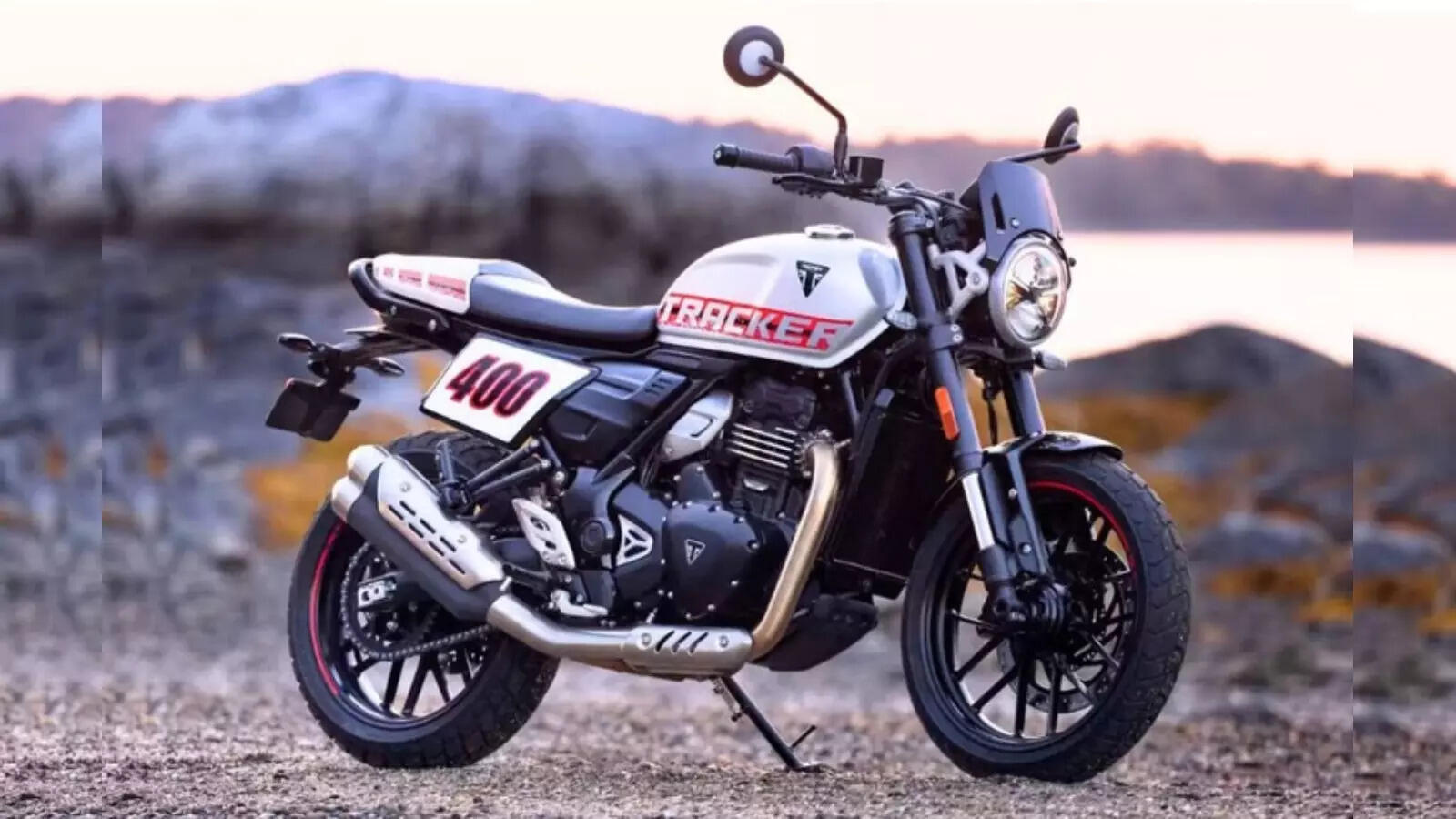
Triumph Tracker 400 Expands The 400cc Portfolio
The Tracker 400 has been revealed alongside the Thruxton 400, further strengthening Triumph’s growing presence in the sub-500cc segment. While the Speed 400 and Scrambler 400 cater to roadster and scrambler preferences, the Tracker introduces a flat track-inspired aesthetic focused on clean lines and minimal bodywork. It is positioned as a road-focused motorcycle rather than an off-road-oriented machine, making it more closely aligned with the Speed 400 in overall intent.Engine And Performance Details
Powering the Tracker 400 is Triumph’s familiar 398cc single-cylinder, liquid-cooled TR-Series engine. In this configuration, the engine produces 42hp at 9,000rpm, delivering 2hp more than the Speed 400. Torque output remains unchanged at 37.5Nm, ensuring strong mid-range performance suitable for everyday riding and spirited road use. The engine is paired with a six-speed gearbox, continuing the mechanical consistency seen across Triumph’s 400cc models.Chassis, Weight And Dimensions
The Tracker 400 tips the scales at 173kg in UK specification, making it around 3kg heavier than the Speed 400. This difference comes largely from revised bodywork and structural components. Triumph has given the Tracker a slightly sharper rake angle of 24.4 degrees compared to the Speed’s 24.6 degrees, hinting at more responsive handling characteristics. Wheel sizes remain unchanged, with 17-inch wheels at both ends and a 150-section rear tyre.Seat Height And Braking Setup
Ergonomically, the Tracker 400 sits higher than the Speed 400, with a seat height of 805mm versus the Speed’s 790mm. This taller stance contributes to its flat track-inspired riding posture. Braking hardware is shared between the two models, consisting of a 300mm front disc and a 230mm rear disc. This setup is expected to offer predictable braking performance suitable for urban and highway riding.Flat Track-Inspired Design Language
Visually, the Tracker 400 sets itself apart with a flatter, more stripped-back design approach. Key highlights include a boxy fuel tank, a compact flyscreen, number-board-style side panels and a colour-matched seat cowl. The minimalist rear section features a simple rectangular LED tail-lamp. Several elements, including the rear profile and seat design, appear to be shared with the Thruxton 400, reinforcing visual continuity within the range.India Launch Remains Unlikely
Despite the Tracker 400’s unveiling in the UK, a launch in India appears unlikely at this stage. Triumph’s India strategy, developed in partnership with Bajaj, continues to focus on models with broader market appeal. For now, the Tracker 400 is expected to remain exclusive to select global markets when it goes on sale in 2026.Next Story