Aadhaar Set for a Major Upgrade in 2026: UIDAI Plans New Photo-Only Card with Secure QR Code

India’s most widely used identification document is gearing up for a significant transformation. To strengthen security and curb the misuse of sensitive personal data, the Unique Identification Authority of India (UIDAI) is preparing to introduce a redesigned Aadhaar card that carries only the holder’s photograph and a secure QR code.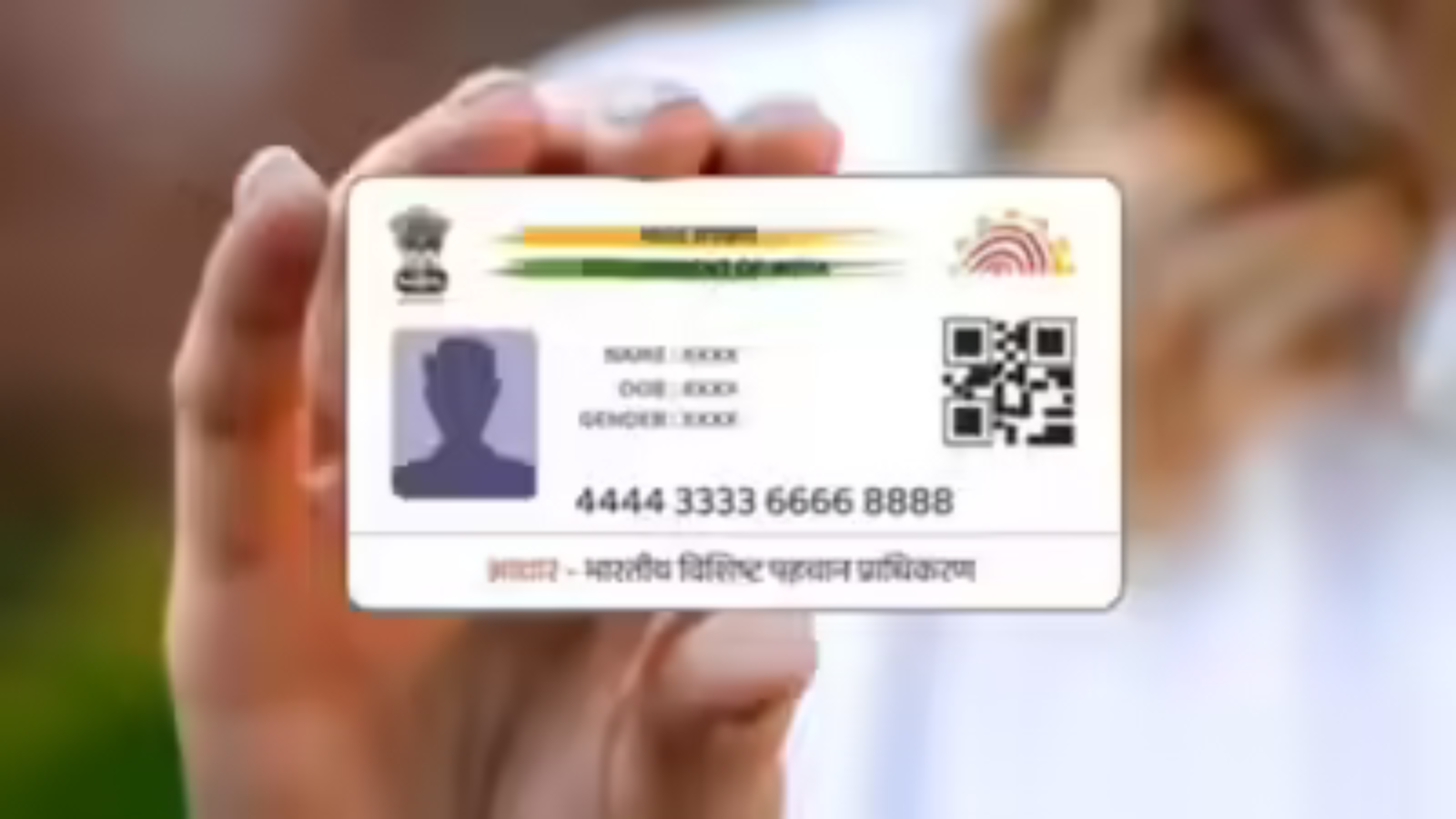
Why a New Aadhaar Card Is Being Considered
The move comes as part of UIDAI’s ongoing efforts to minimise data exposure and cut down the need for offline verification. Several organisations still ask for photocopies of Aadhaar cards, despite guidelines discouraging the practice. This exposes individuals to privacy risks and increases the chances of data being misused.
The new version aims to tackle these issues by eliminating printed personal details altogether. Instead, all essential information will be embedded within a QR code, which can be scanned for secure authentication.
The formal proposal for the upgraded card is likely to be placed before Aadhaar authorities on 1 December 2026. During a recent virtual event held to introduce a new Aadhaar-linked application, UIDAI CEO Bhavnesh Kumar hinted at the upcoming policy shift.
Referring to the planned design, he remarked that printed information often becomes a source of misuse. By switching to a photo-and-QR-code format, the focus shifts entirely to digital verification, reducing the chances of sensitive details being copied or stored unlawfully.
India’s most widely used identification document is gearing up for a significant transformation. To strengthen security and curb the misuse of sensitive personal data, the Unique Identification Authority of India (UIDAI) is preparing to introduce a redesigned Aadhaar card that carries only the holder’s photograph and a secure QR code.
Why a New Aadhaar Card Is Being Considered
The move comes as part of UIDAI’s ongoing efforts to minimise data exposure and cut down the need for offline verification. Several organisations still ask for photocopies of Aadhaar cards, despite guidelines discouraging the practice. This exposes individuals to privacy risks and increases the chances of data being misused.
The new version aims to tackle these issues by eliminating printed personal details altogether. Instead, all essential information will be embedded within a QR code, which can be scanned for secure authentication.
Key Announcement Expected in December
The formal proposal for the upgraded card is likely to be placed before Aadhaar authorities on 1 December 2026. During a recent virtual event held to introduce a new Aadhaar-linked application, UIDAI CEO Bhavnesh Kumar hinted at the upcoming policy shift.
Referring to the planned design, he remarked that printed information often becomes a source of misuse. By switching to a photo-and-QR-code format, the focus shifts entirely to digital verification, reducing the chances of sensitive details being copied or stored unlawfully.
What the Aadhaar Act Says
Under the Aadhaar Act, organisations are barred from collecting, using or storing an individual’s Aadhaar number or biometric data for offline verification. However, photocopying of Aadhaar cards continues in many places, leading to privacy concerns and potential breaches.
The new card design aims to align everyday use with Aadhaar regulations, ensuring that authentication happens securely through digital means rather than through paper photocopies.
A Step Toward Safer Digital Identity
If approved, this revamped Aadhaar card could mark a major shift in how identity verification works in India. By moving away from printed data and adopting a QR-based system, UIDAI aims to create a safer, streamlined, and more privacy-focused Aadhaar ecosystem.
More details are expected once the proposal is formally reviewed in December.
What the Aadhaar Act Says
Under the Aadhaar Act, organisations are barred from collecting, using or storing an individual’s Aadhaar number or biometric data for offline verification. However, photocopying of Aadhaar cards continues in many places, leading to privacy concerns and potential breaches.
The new card design aims to align everyday use with Aadhaar regulations, ensuring that authentication happens securely through digital means rather than through paper photocopies.
If approved, this revamped Aadhaar card could mark a major shift in how identity verification works in India. By moving away from printed data and adopting a QR-based system, UIDAI aims to create a safer, streamlined, and more privacy-focused Aadhaar ecosystem.
More details are expected once the proposal is formally reviewed in December.
Why a New Aadhaar Card Is Being Considered
The move comes as part of UIDAI’s ongoing efforts to minimise data exposure and cut down the need for offline verification. Several organisations still ask for photocopies of Aadhaar cards, despite guidelines discouraging the practice. This exposes individuals to privacy risks and increases the chances of data being misused.
The new version aims to tackle these issues by eliminating printed personal details altogether. Instead, all essential information will be embedded within a QR code, which can be scanned for secure authentication.
Key Announcement Expected in December
The formal proposal for the upgraded card is likely to be placed before Aadhaar authorities on 1 December 2026. During a recent virtual event held to introduce a new Aadhaar-linked application, UIDAI CEO Bhavnesh Kumar hinted at the upcoming policy shift.
Referring to the planned design, he remarked that printed information often becomes a source of misuse. By switching to a photo-and-QR-code format, the focus shifts entirely to digital verification, reducing the chances of sensitive details being copied or stored unlawfully.
India’s most widely used identification document is gearing up for a significant transformation. To strengthen security and curb the misuse of sensitive personal data, the Unique Identification Authority of India (UIDAI) is preparing to introduce a redesigned Aadhaar card that carries only the holder’s photograph and a secure QR code.
Why a New Aadhaar Card Is Being Considered
The move comes as part of UIDAI’s ongoing efforts to minimise data exposure and cut down the need for offline verification. Several organisations still ask for photocopies of Aadhaar cards, despite guidelines discouraging the practice. This exposes individuals to privacy risks and increases the chances of data being misused.
The new version aims to tackle these issues by eliminating printed personal details altogether. Instead, all essential information will be embedded within a QR code, which can be scanned for secure authentication.
Key Announcement Expected in December
The formal proposal for the upgraded card is likely to be placed before Aadhaar authorities on 1 December 2026. During a recent virtual event held to introduce a new Aadhaar-linked application, UIDAI CEO Bhavnesh Kumar hinted at the upcoming policy shift.
Referring to the planned design, he remarked that printed information often becomes a source of misuse. By switching to a photo-and-QR-code format, the focus shifts entirely to digital verification, reducing the chances of sensitive details being copied or stored unlawfully.
What the Aadhaar Act Says
Under the Aadhaar Act, organisations are barred from collecting, using or storing an individual’s Aadhaar number or biometric data for offline verification. However, photocopying of Aadhaar cards continues in many places, leading to privacy concerns and potential breaches.
The new card design aims to align everyday use with Aadhaar regulations, ensuring that authentication happens securely through digital means rather than through paper photocopies.
A Step Toward Safer Digital Identity
If approved, this revamped Aadhaar card could mark a major shift in how identity verification works in India. By moving away from printed data and adopting a QR-based system, UIDAI aims to create a safer, streamlined, and more privacy-focused Aadhaar ecosystem.
More details are expected once the proposal is formally reviewed in December.
What the Aadhaar Act Says
Under the Aadhaar Act, organisations are barred from collecting, using or storing an individual’s Aadhaar number or biometric data for offline verification. However, photocopying of Aadhaar cards continues in many places, leading to privacy concerns and potential breaches.
The new card design aims to align everyday use with Aadhaar regulations, ensuring that authentication happens securely through digital means rather than through paper photocopies.
A Step Toward Safer Digital Identity
If approved, this revamped Aadhaar card could mark a major shift in how identity verification works in India. By moving away from printed data and adopting a QR-based system, UIDAI aims to create a safer, streamlined, and more privacy-focused Aadhaar ecosystem.
More details are expected once the proposal is formally reviewed in December.
Next Story