RTO Compliance Checklist Every Vehicle Owner Should Be Aware Of

Owning a car in India comes with responsibilities that extend beyond just driving. Vehicle owners must comply with a set of RTO rules and regulations designed to ensure road safety, proper infrastructure maintenance, and legal accountability. From registration and road tax payments to pollution certificates and insurance requirements, staying informed about these guidelines is essential. Compliance not only helps avoid fines and penalties but also ensures a smooth and secure vehicle ownership experience across the country.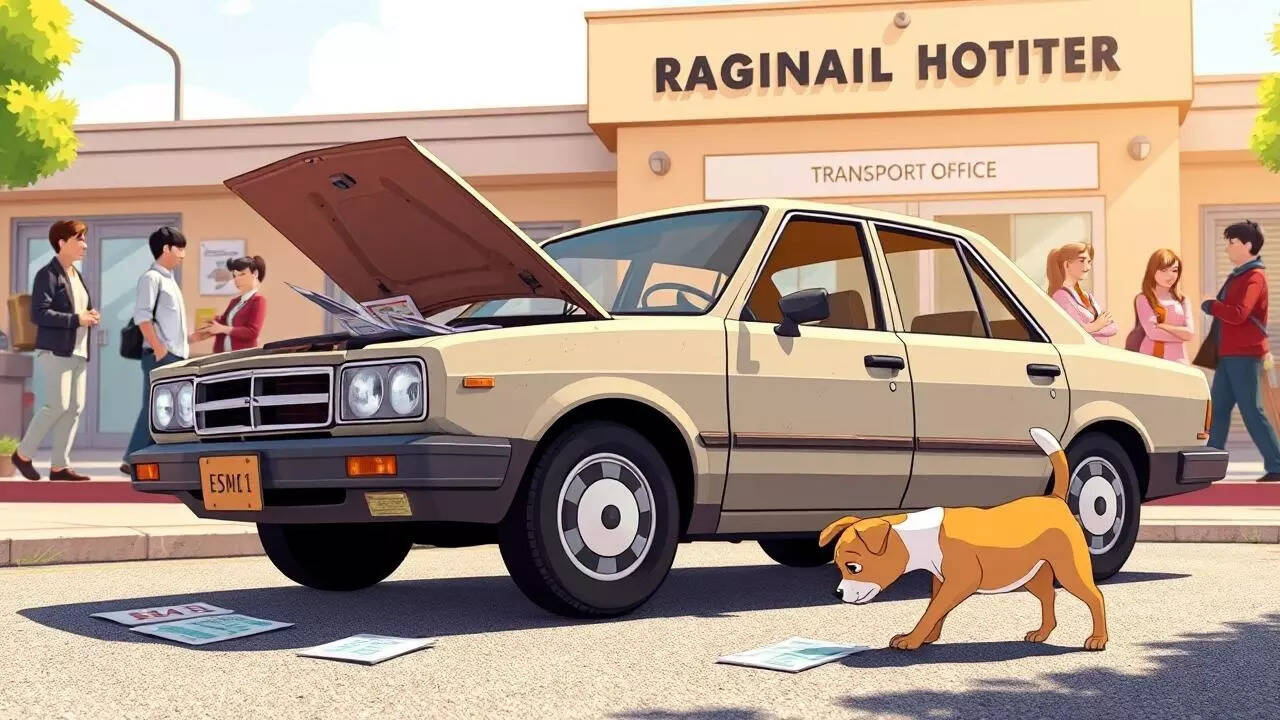
Vehicle Registration And Legal Compliance
Every car owner is required to register their vehicle with the nearest Regional Transport Office (RTO) immediately after purchase. The registration process involves submitting essential documents, including the invoice, insurance papers, and proof of address. Once verified, the RTO issues a vehicle registration number, legally linking the car to its owner. Driving without a valid registration is strictly prohibited and can result in fines or legal action. Registration can be completed independently or with assistance from dealers.Paying Road Tax
Paying road tax is another mandatory requirement under RTO regulations. The amount varies based on factors such as vehicle type, engine capacity, and the state of registration. Road tax is typically collected during registration and must be renewed periodically, depending on whether the vehicle is private or commercial. Some states may also levy additional taxes related to environmental compliance or commercial use. Non-payment can attract hefty penalties and restrict legal use of the vehicle.Pollution Under Control (PUC) Certificate
A valid Pollution Under Control (PUC) certificate is compulsory for all vehicles to confirm that emission levels are within permissible limits. Older vehicles are required to renew this certificate every six months. During routine traffic checks or vehicle inspections, authorities may ask to see the PUC certificate . Failure to maintain a valid certificate can result in fines and restrictions on vehicle use.Driving Licence And Essential Documents
A valid driving licence corresponding to the vehicle category is mandatory. Car owners must carry key documents while driving, including the registration certificate (RC), insurance, PUC, and driving licence. Non-compliance during traffic checks can result in substantial fines. Ensuring that all documents are current and available is a crucial aspect of responsible vehicle ownership.Vehicle Modifications And Authorisation
Any modifications to a vehicle, such as changes to its colour, engine, or structural components, must be authorised by the RTO. Unauthorised alterations can lead to fines, seizure of the vehicle, or cancellation of registration. It is essential for car owners to inform the RTO of any modifications promptly to remain compliant with safety and regulatory norms.Ownership Transfer And No Objection Certificate
When buying or selling a vehicle, ownership must be legally transferred through the RTO. The process requires submitting a No Objection Certificate (NOC) from the previous owner along with the necessary documents. Failure to transfer ownership can result in legal complications, fines, and liability issues. A NOC is particularly important if the vehicle is registered in a different state.Car Insurance Rules And Compliance
Under the Motor Vehicles Act of 1988, third-party insurance is compulsory for all vehicles. This insurance covers damages or injuries to third parties in the event of an accident. Comprehensive insurance, while optional, provides broader protection including damages to the vehicle from accidents, theft, fire, or natural disasters. Insurance must be renewed annually to remain valid, and updates are required when ownership changes. Non-renewal or failure to update insurance records can result in penalties and legal liabilities.Ensuring Hassle-Free Vehicle Ownership
Adhering to RTO rules is crucial for legal compliance, road safety, and financial protection. From registering the vehicle and paying road tax to maintaining PUC certificates, valid licences, and insurance, following these regulations ensures a smooth driving experience. Staying informed and keeping all documentation up to date is the responsibility of every car owner who wishes to enjoy seamless and secure vehicle ownership in India.Next Story