Did a Glacial Lake Burst Cause the Uttarakhand Floods? Looking Back at Similar Events
Share this article:
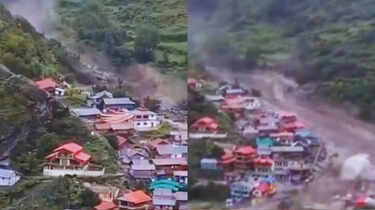
Tragedy struck Uttarakhand's Uttarkashi district on Tuesday as flash floods swept through Dharali village, claiming five lives and leaving at least 50 missing. A sudden surge of water destroyed homes, hotels, and eateries near the pilgrimage hub of Gangotri, turning a serene hill escape into a zone of devastation.
Chief Minister Pushkar Singh Dhami confirmed that 190 people have been rescued so far. Emergency efforts are now underway to evacuate pilgrims stranded at Gangotri Dham, with alternate routes being considered via Nelong Valley.
What initially appeared to be the result of a cloudburst is now under closer scrutiny. Experts are investigating the possibility of a Glacial Lake Outburst Flood (GLOF), dangerous natural event where a lake formed by melting glaciers breaches its natural dam, releasing a massive volume of water downstream.
As rescue operations continue in Uttarkashi, one thing is clear: our mountains are warning us—louder and more frequently. With climate change accelerating glacier melt, the risk of glacial lake bursts looms larger than ever.
Chief Minister Pushkar Singh Dhami confirmed that 190 people have been rescued so far. Emergency efforts are now underway to evacuate pilgrims stranded at Gangotri Dham, with alternate routes being considered via Nelong Valley.
What initially appeared to be the result of a cloudburst is now under closer scrutiny. Experts are investigating the possibility of a Glacial Lake Outburst Flood (GLOF), dangerous natural event where a lake formed by melting glaciers breaches its natural dam, releasing a massive volume of water downstream.
GLOFs: Not a New Threat
India’s Himalayan belt has long faced the wrath of GLOFs. These sudden bursts are often triggered by heavy rain, landslides, earthquakes, or melting glaciers. Here are a few major instances that have left scars in recent memory:Not Just Recent History
India’s vulnerability to such disasters isn’t new. Historical records from the 19th and 20th centuries document dozens of such bursts especially in Ladakh’s Shyok and Nubra valleys. A classic case remains the Gohna Tal in Uttarakhand, which formed after a landslide in 1893 and burst dramatically in 1894.As rescue operations continue in Uttarkashi, one thing is clear: our mountains are warning us—louder and more frequently. With climate change accelerating glacier melt, the risk of glacial lake bursts looms larger than ever.
Next Story