Trump Files $10 Billion Defamation Lawsuit Against BBC Over Jan. 6 Documentary Edit

President Donald Trump has escalated his ongoing legal battles with media organisations by filing a $10 billion defamation lawsuit against the British Broadcasting Corporation (BBC), alleging that the publicly funded broadcaster materially misrepresented his January 6, 2021, speech in a documentary. The complaint, filed in federal court in Miami, Florida, marks a significant escalation in Trump’s disputes with international media over coverage he considers unfair or defamatory.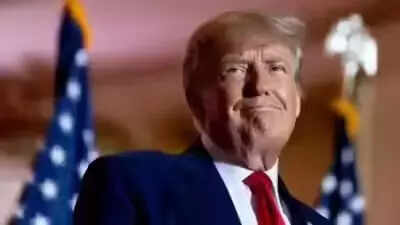
The lawsuit centres on a Panorama documentary titled Trump: A Second Chance? which aired in the United Kingdom ahead of the U.S. presidential election. According to Trump’s legal team, the BBC spliced together two separate parts of his January 6 speech, creating an edited segment that falsely suggested he incited supporters to storm the U.S. Capitol. The plaintiff argues that the broadcaster omitted portions of the speech where he explicitly called for peaceful protest, thereby misleading viewers about his intentions on the day of the violent insurrection.
In the 33-page complaint, Trump’s attorneys allege that the BBC acted with “actual malice,” asserting its editorial decisions were deliberate and that the broadcaster engaged in deceptive and unfair trade practices under Florida law. The suit seeks $5 billion in damages for each of two counts - defamation and deceptive trade practice violations - totaling $10 billion. Trump’s legal representatives also contend that the network’s actions damaged his reputation and influenced public perception during a critical election cycle.
The documentary controversy has already caused significant repercussions for the BBC. In November 2025, the broadcaster apologised for the editing errors and acknowledged that the segment created a misleading portrayal of Trump’s remarks, calling it an “error of judgment.” However, the BBC has maintained there is no legal basis for a defamation claim and has rejected Trump’s compensation demands. The fallout from the episode also led to the resignations of two senior BBC executives, including the Director-General and the head of BBC News.
Legal experts have identified several challenges facing Trump’s lawsuit, particularly concerning jurisdiction and defamation standards. Since the documentary was originally broadcast in the U.K. and not aired on BBC channels in the United States, questions arise about whether it caused reputational harm to Trump among American audiences. Trump’s team contends that U.S. viewers could have accessed the programme through streaming services like BritBox or via virtual private networks (VPNs), thus supporting U.S. jurisdiction.
Additionally, to succeed in a U.S. defamation lawsuit, especially involving a public figure, Trump must prove that the BBC knowingly published false information or acted with reckless disregard for the truth. The BBC could argue that the documentary’s broader context and editorial decisions do not meet this high legal threshold, potentially resulting in a prolonged legal battle.
This lawsuit forms part of a broader pattern of litigation that Trump has pursued against media outlets following his election defeat. In recent years, he has sued news organisations including CBS and ABC, resulting in multimillion-dollar settlements, and has filed other high-profile suits against major publications such as The New York Times and The Wall Street Journal.
As the case unfolds, it is likely to spark debate over media responsibility, editorial judgment, and the limits of defamation law in an era of global news dissemination and political polarisation.
The lawsuit centres on a Panorama documentary titled Trump: A Second Chance? which aired in the United Kingdom ahead of the U.S. presidential election. According to Trump’s legal team, the BBC spliced together two separate parts of his January 6 speech, creating an edited segment that falsely suggested he incited supporters to storm the U.S. Capitol. The plaintiff argues that the broadcaster omitted portions of the speech where he explicitly called for peaceful protest, thereby misleading viewers about his intentions on the day of the violent insurrection.
In the 33-page complaint, Trump’s attorneys allege that the BBC acted with “actual malice,” asserting its editorial decisions were deliberate and that the broadcaster engaged in deceptive and unfair trade practices under Florida law. The suit seeks $5 billion in damages for each of two counts - defamation and deceptive trade practice violations - totaling $10 billion. Trump’s legal representatives also contend that the network’s actions damaged his reputation and influenced public perception during a critical election cycle.
The documentary controversy has already caused significant repercussions for the BBC. In November 2025, the broadcaster apologised for the editing errors and acknowledged that the segment created a misleading portrayal of Trump’s remarks, calling it an “error of judgment.” However, the BBC has maintained there is no legal basis for a defamation claim and has rejected Trump’s compensation demands. The fallout from the episode also led to the resignations of two senior BBC executives, including the Director-General and the head of BBC News.
Legal experts have identified several challenges facing Trump’s lawsuit, particularly concerning jurisdiction and defamation standards. Since the documentary was originally broadcast in the U.K. and not aired on BBC channels in the United States, questions arise about whether it caused reputational harm to Trump among American audiences. Trump’s team contends that U.S. viewers could have accessed the programme through streaming services like BritBox or via virtual private networks (VPNs), thus supporting U.S. jurisdiction.
Additionally, to succeed in a U.S. defamation lawsuit, especially involving a public figure, Trump must prove that the BBC knowingly published false information or acted with reckless disregard for the truth. The BBC could argue that the documentary’s broader context and editorial decisions do not meet this high legal threshold, potentially resulting in a prolonged legal battle.
This lawsuit forms part of a broader pattern of litigation that Trump has pursued against media outlets following his election defeat. In recent years, he has sued news organisations including CBS and ABC, resulting in multimillion-dollar settlements, and has filed other high-profile suits against major publications such as The New York Times and The Wall Street Journal.
As the case unfolds, it is likely to spark debate over media responsibility, editorial judgment, and the limits of defamation law in an era of global news dissemination and political polarisation.
Next Story