
Child Aadhaar Rules Changed In 2026: Parents Must Complete This Mandatory Step

The process of obtaining Aadhaar cards for young children has undergone important changes following new updates introduced by the central government. The revised system mainly affects children below the age of five and is designed to streamline enrolment while strengthening identity verification during registration.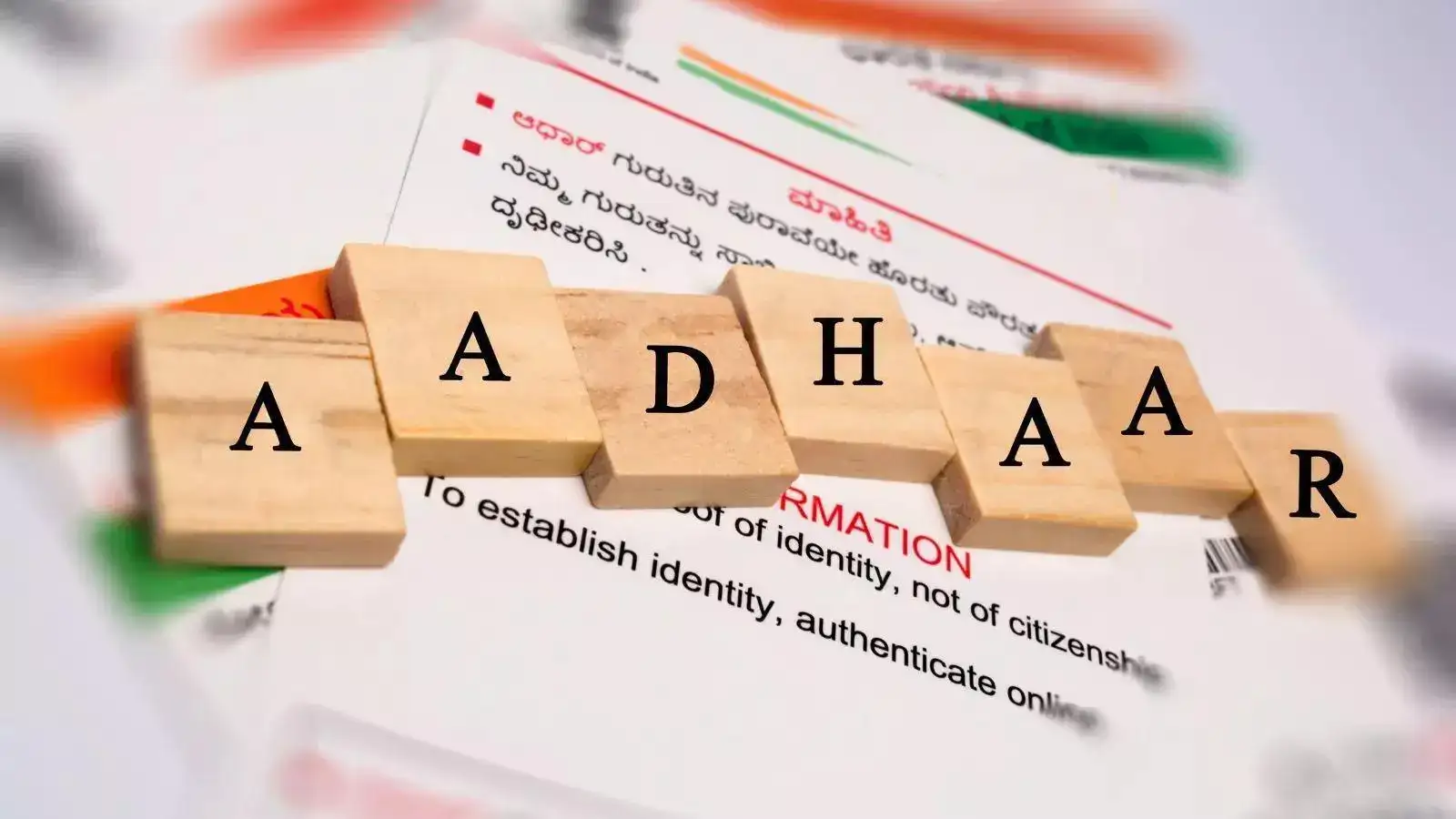
Under the updated rules, Aadhaar generation for children will now rely more heavily on the Head of Family system. This means the Aadhaar of a parent or legal guardian will play a central role in completing the child’s registration process.
Officials have also made biometric authentication compulsory for one parent during the application process. This marks a significant shift from the earlier system, where parental biometric verification was not mandatory for child enrolment.
The latest move is expected to improve authentication standards and reduce discrepancies in identity documentation.
Authorities have emphasised that accurate documentation will be essential to ensure a smooth enrolment experience at Aadhaar centres.
Parents are therefore advised to keep all necessary documents ready before visiting the enrolment facility to avoid delays during verification.
Biometric verification from parents was not compulsory at that stage. The identity verification process depended mainly on supporting documents submitted by parents or guardians.
The revised framework now introduces additional layers of authentication to strengthen identity linking within families.
The document is also widely used while applying for passports for minors. In addition, parents often require Aadhaar to open bank accounts for children or to access savings and investment schemes aimed at minors.
Government-backed initiatives such as Sukanya Samriddhi Yojana also require Aadhaar-linked documentation in many cases.
Parents then need to visit the nearest Aadhaar enrolment centre and complete the registration form using address details matching the guardian’s Aadhaar records.
Since biometric data such as fingerprints and iris scans are not collected from children below five years, biometric verification of one parent will now be conducted instead. This may include fingerprint or iris authentication at the enrolment centre.
Once the process is completed successfully, applicants receive an acknowledgement receipt. The Aadhaar card is later dispatched to the registered address. Parents may also choose to link the child’s Aadhaar profile through the Aadhaar mobile application for easier access and management.
The updated Aadhaar enrolment framework reflects the government’s attempt to create a more secure and streamlined identity verification process for young children while making parental authentication a central part of the registration system.
Under the updated rules, Aadhaar generation for children will now rely more heavily on the Head of Family system. This means the Aadhaar of a parent or legal guardian will play a central role in completing the child’s registration process.
Parent Aadhaar Now Becomes Mandatory
According to the revised process, parents or legal guardians must possess a valid Aadhaar card before applying for their child’s Aadhaar. Without an Aadhaar-linked guardian, the enrolment process for children under five cannot move forward.Officials have also made biometric authentication compulsory for one parent during the application process. This marks a significant shift from the earlier system, where parental biometric verification was not mandatory for child enrolment.
The latest move is expected to improve authentication standards and reduce discrepancies in identity documentation.
Birth Certificate Remains A Key Document
While the process has changed, the birth certificate continues to remain the primary document required for child Aadhaar registration . It is used to confirm both the child’s date of birth and their relationship with the parent or guardian.Authorities have emphasised that accurate documentation will be essential to ensure a smooth enrolment experience at Aadhaar centres.
Parents are therefore advised to keep all necessary documents ready before visiting the enrolment facility to avoid delays during verification.
How The Earlier Aadhaar Process Worked
Before the introduction of the updated rules, the Aadhaar enrolment process for children below five years was comparatively simpler. Aadhaar cards were generally issued using the child’s photograph and birth certificate.You may also like
- Bengal government orders crackdown on illegal cattle transportation, markets
- West Bengal Government approves land transfer to BSF for border fencing
- Atal ji showed India "won't bow" through Op Shakti: PM Modi hails former Prime Minister's role in Pokhran tests success
- 'Same force that blocked Somnath restoration tried to stall Ram Temple": CM Yogi
- "Is government hiding some bitter truths?": Karti Chidambaram questions intent behind PM Modi's 7 appeals
Biometric verification from parents was not compulsory at that stage. The identity verification process depended mainly on supporting documents submitted by parents or guardians.
The revised framework now introduces additional layers of authentication to strengthen identity linking within families.
Why Aadhaar Is Important For Children
An Aadhaar card has increasingly become an important identity document for children across several services and institutions. Many schools now ask for Aadhaar details during the admission process as proof of identity and address.The document is also widely used while applying for passports for minors. In addition, parents often require Aadhaar to open bank accounts for children or to access savings and investment schemes aimed at minors.
Government-backed initiatives such as Sukanya Samriddhi Yojana also require Aadhaar-linked documentation in many cases.
Step-By-Step Guide To The New Registration Process
Under the revised system, parents must first ensure that at least one guardian possesses a valid Aadhaar card. The child’s birth certificate should also be kept ready for age and relationship verification.Parents then need to visit the nearest Aadhaar enrolment centre and complete the registration form using address details matching the guardian’s Aadhaar records.
Since biometric data such as fingerprints and iris scans are not collected from children below five years, biometric verification of one parent will now be conducted instead. This may include fingerprint or iris authentication at the enrolment centre.
Once the process is completed successfully, applicants receive an acknowledgement receipt. The Aadhaar card is later dispatched to the registered address. Parents may also choose to link the child’s Aadhaar profile through the Aadhaar mobile application for easier access and management.
The updated Aadhaar enrolment framework reflects the government’s attempt to create a more secure and streamlined identity verification process for young children while making parental authentication a central part of the registration system.






More from our partners


Loving Newspoint? Download the app now
