
Work From Home to Avoid Gold: PM Modi’s 7 Big Appeals During India’s Energy Cost Crisis

Prime Minister Narendra Modi on Sunday urged citizens to adopt a series of energy-saving measures as tensions in West Asia continued to affect global markets. The appeal came after peace negotiations between the United States and Iran failed to produce a breakthrough, with Donald Trump refusing to back down.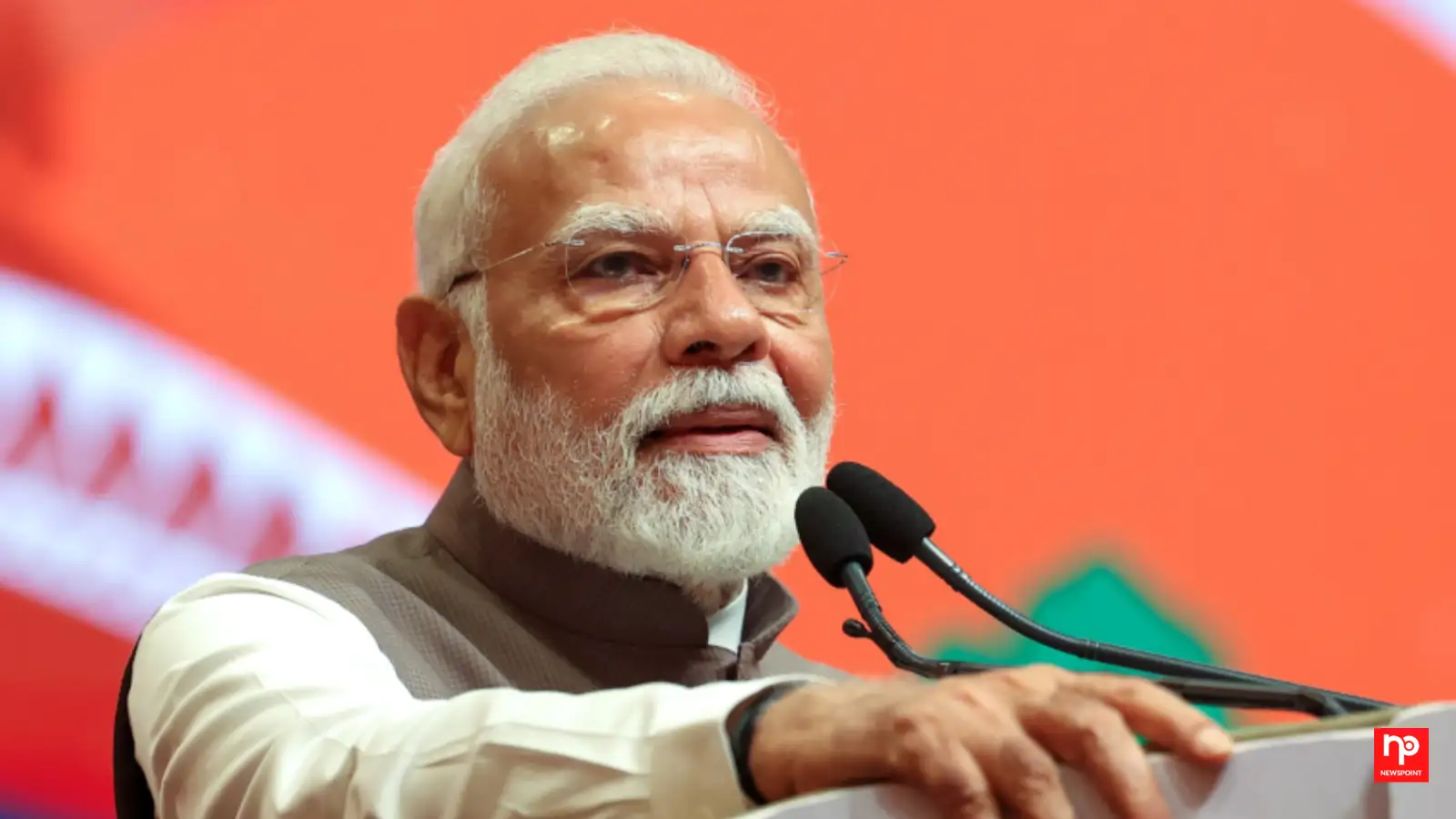
For India, the immediate impact of the West Asia crisis is being felt through rising crude oil prices. While the government has not yet passed on higher petrol and diesel prices to consumers, the cost of commercial LPG cylinders has already been increased twice in the last two months.
"It is time for us to use petrol, diesel and gas with great care,” Modi said on Sunday while inaugurating projects in Hyderabad, Telangana. “We must make, efforts to use only as much as is needed to save foreign currency and reduce the adverse effects of the war,” he added.
It is important to note that the prime minister was not making a national address when he made this appeal to conserve fuel and protect India’s foreign exchange reserves.
At the same time, Narendra Modi urged people to conserve foreign exchange reserves by avoiding unnecessary overseas travel, destination weddings, and foreign vacations. He also encouraged citizens to choose domestic tourism and avoid non-essential gold purchases for the next year.
The ongoing West Asia crisis has the potential to disrupt India’s growth trajectory. Even though the government continues to hold its growth forecast at 6.8 percent to 7.2 percent for the fiscal year ending March 2027, several economists have already started trimming their projections.
Goldman Sachs has projected India’s growth at 5.9 percent for 2026, while Oxford Economics expects 6.2 percent, according to Bloomberg.
The coming months will determine whether rising crude oil prices remain a temporary pressure point or develop into a deeper economic challenge for India.
For India, the immediate impact of the West Asia crisis is being felt through rising crude oil prices. While the government has not yet passed on higher petrol and diesel prices to consumers, the cost of commercial LPG cylinders has already been increased twice in the last two months.
PM Modi’s Call to Save Fuel and Foreign Exchange
Speaking while inaugurating projects in Hyderabad, Narendra Modi urged people to use fuel carefully as crude oil prices remain under pressure."It is time for us to use petrol, diesel and gas with great care,” Modi said on Sunday while inaugurating projects in Hyderabad, Telangana. “We must make, efforts to use only as much as is needed to save foreign currency and reduce the adverse effects of the war,” he added.
It is important to note that the prime minister was not making a national address when he made this appeal to conserve fuel and protect India’s foreign exchange reserves.
PM Modi’s 7 Big Appeals to Citizens
As part of his message on rising fuel prices and economic caution, Narendra Modi made seven major appeals:- Prioritise work from home wherever possible
- Avoid buying gold for one year
- Reduce petrol and diesel consumption and use metro or public transport
- Cut down the use of cooking oil
- Avoid foreign travel for one year
- Reduce dependence on chemical fertilisers and move towards natural farming
- Use fewer foreign products and adopt Swadeshi
Government Steps as Rising Crude Oil Prices Trigger Concern
The Union government last week approved a credit guarantee plan with capital allocation of ₹181 billion, or $1.9 billion, to help businesses and airlines absorb the economic impact of the Iran conflict and rising oil prices.At the same time, Narendra Modi urged people to conserve foreign exchange reserves by avoiding unnecessary overseas travel, destination weddings, and foreign vacations. He also encouraged citizens to choose domestic tourism and avoid non-essential gold purchases for the next year.
Rising Oil Prices Could Hit Inflation and Growth
According to the Reserve Bank of India, a 10 percent rise in crude oil prices could increase inflation by 50 basis points and reduce economic growth by 15 basis points, as noted earlier in its Monetary Policy Report.The ongoing West Asia crisis has the potential to disrupt India’s growth trajectory. Even though the government continues to hold its growth forecast at 6.8 percent to 7.2 percent for the fiscal year ending March 2027, several economists have already started trimming their projections.
Goldman Sachs has projected India’s growth at 5.9 percent for 2026, while Oxford Economics expects 6.2 percent, according to Bloomberg.
The coming months will determine whether rising crude oil prices remain a temporary pressure point or develop into a deeper economic challenge for India.
Next Story