
5 Most Powerful Hanuman Temples Outside India You Must Visit


Lord Hanuman is one of the most loved and worshipped deities in Hindu tradition. Known for strength, devotion, courage, humility, and unwavering loyalty to Lord Rama, Hanuman’s spiritual influence extends far beyond India. Over the centuries, Hindu communities across the world have built magnificent temples dedicated to him, turning them into powerful centers of faith, culture, and devotion. Today, some of the most spiritually important Hanuman temples are located outside India, attracting not only Hindu devotees but also travelers interested in ancient traditions, architecture, and spiritual history. These temples reflect how deeply the devotion to Hanuman has spread across continents through migration, faith, and cultural preservation.
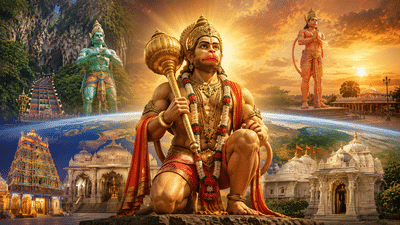
From Southeast Asia to the Caribbean and the United States, these sacred places continue to inspire millions of devotees who believe Hanuman represents protection, fearlessness, discipline, and devotion during difficult times.
1. Batu Caves, Malaysia
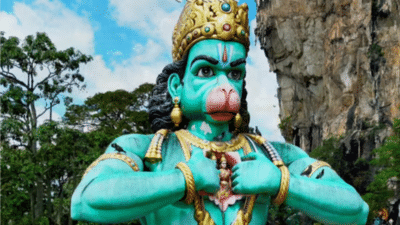 One of the most visually stunning Hanuman sites outside India is located near the famous Batu Caves in Malaysia. The area is globally known for its massive Hindu religious complex and its connection to Tamil Hindu traditions. The towering green Hanuman statue near the Ramayana Cave has become one of the most recognizable Hanuman landmarks in the world. The cave itself contains scenes from the Ramayana, making it spiritually significant for devotees of both Lord Rama and Hanuman.
Malaysia’s large Hindu community has preserved strong devotional traditions connected to Hanuman worship, especially during festivals like Hanuman Jayanti and Thaipusam. Devotees believe the spiritual atmosphere near Batu Caves carries immense energy, particularly during prayer recitations and Ramayana readings. The site is also architecturally striking because it combines natural limestone caves with colorful Hindu iconography, giant statues, and sacred shrines. For many visitors, the experience feels both spiritually powerful and visually unforgettable.
2. Hanuman Murti at Carapichaima, Trinidad and Tobago
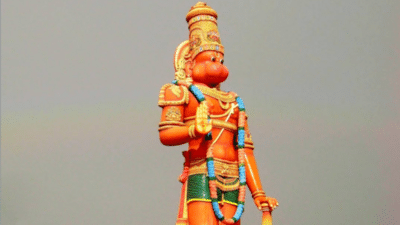 The Caribbean may seem unexpected for a major Hanuman pilgrimage site, yet Trinidad and Tobago is home to one of the tallest Hanuman statues outside India. The massive orange Hanuman murti at Carapichaima stands as a symbol of how Hindu traditions survived and flourished thousands of miles away from the Indian subcontinent. The statue was built by descendants of Indian indentured laborers who carried their religious traditions to the Caribbean during the colonial period. Today, the site has become one of the most important Hindu spiritual landmarks in the region.
Devotees regularly visit the temple complex for Hanuman Chalisa recitations, Ramayana readings, fasting rituals, and special Tuesday prayers dedicated to Bajrangbali. Many believers associate the temple with courage, protection from fear, and spiritual discipline. What makes this temple emotionally powerful is not only its religious importance but also its historical meaning. It represents the preservation of faith across generations despite displacement and hardship.
3. Shri Hanuman Mandir, United Kingdom
The United Kingdom is home to several important Hindu temples, but the Hanuman temples in London hold special significance for devotees seeking spiritual connection outside India. Among the most respected is the Shri Hanuman Mandir in Wembley, an area known for its vibrant Indian community and strong Hindu cultural presence. The temple attracts devotees from across Britain, especially on Tuesdays and Saturdays, the days traditionally associated with Hanuman worship. The atmosphere inside the temple reflects classic devotional traditions seen in India, including Hanuman Chalisa chanting, bhajan singing, sindoor offerings, and Ram bhakti-centered worship. For many devotees living abroad, temples like these become more than religious spaces. They serve as emotional and cultural anchors that help preserve language, festivals, traditions, and spiritual identity across generations.
4. Sri Anjaneyar Temple, Singapore
Singapore’s Sri Anjaneyar Temple is among the oldest Hanuman temples in Southeast Asia and holds major importance for the Tamil Hindu community. Dedicated to Lord Hanuman in his Anjaneyar form, the temple is known for its peaceful atmosphere and disciplined devotional practices. The temple’s architecture reflects South Indian influence, especially traditional Dravidian temple design. Many devotees visit seeking blessings for strength, focus, protection, and success during difficult phases of life. Hanuman worship in Singapore remains deeply connected with Ramayana traditions, and the temple often becomes especially crowded during Hanuman Jayanti and major Hindu festivals.
One reason this temple stands out is the balance between spiritual serenity and urban modernity. Surrounded by one of the world’s most advanced cities, the temple continues to preserve ancient devotional practices with remarkable dedication.
5. Hanuman Temple, United States
The United States has witnessed rapid growth in Hindu temples over recent decades, and Hanuman temples have become especially popular among Indian diaspora communities. One of the best-known examples is the Hanuman Temple in Texas, which has emerged as a major devotional center for Hindu families across America. The temple regularly hosts Hanuman Chalisa recitations, Sundarkand path sessions, Ram Navami celebrations, and spiritual events focused on Lord Hanuman’s teachings.
Many devotees view Hanuman as a symbol of resilience, fearlessness, devotion, and mental strength, qualities that resonate strongly among immigrant communities adapting to new lives abroad. The temple also reflects how Hindu spirituality continues to evolve globally while maintaining its ancient roots. Visitors often describe the atmosphere as deeply calming, especially during collective chanting and aarti ceremonies.
Why Hanuman Temples Continue to Inspire Devotees Worldwide
The global spread of Hanuman temples reflects more than migration or religious expansion. It highlights the universal emotional appeal of Hanuman himself. In Hindu tradition, Hanuman represents:
Conclusion
The devotion to Lord Hanuman is no longer limited to India alone. From Malaysia and Singapore to Trinidad, London, and the United States, Hanuman temples across the world continue to attract millions of devotees seeking strength, faith, and spiritual peace. Each temple carries its own unique cultural history, yet all remain connected through the same timeless ideals of devotion, courage, humility, and service associated with Hanuman. For many travelers and devotees, visiting these temples becomes more than a religious journey. It becomes a reminder that faith, culture, and spiritual traditions can continue to thrive across continents and generations while preserving the enduring legacy of one of Hinduism’s most beloved deities.
Explore the latest trends and tips in Health & Fitness, Spiritual, Travel, Life Hacks, Trending, Fashion & Beauty, and Relationships at Times Life!
From Southeast Asia to the Caribbean and the United States, these sacred places continue to inspire millions of devotees who believe Hanuman represents protection, fearlessness, discipline, and devotion during difficult times.
1. Batu Caves, Malaysia
Malaysia’s large Hindu community has preserved strong devotional traditions connected to Hanuman worship, especially during festivals like Hanuman Jayanti and Thaipusam. Devotees believe the spiritual atmosphere near Batu Caves carries immense energy, particularly during prayer recitations and Ramayana readings. The site is also architecturally striking because it combines natural limestone caves with colorful Hindu iconography, giant statues, and sacred shrines. For many visitors, the experience feels both spiritually powerful and visually unforgettable.
2. Hanuman Murti at Carapichaima, Trinidad and Tobago
Devotees regularly visit the temple complex for Hanuman Chalisa recitations, Ramayana readings, fasting rituals, and special Tuesday prayers dedicated to Bajrangbali. Many believers associate the temple with courage, protection from fear, and spiritual discipline. What makes this temple emotionally powerful is not only its religious importance but also its historical meaning. It represents the preservation of faith across generations despite displacement and hardship.
3. Shri Hanuman Mandir, United Kingdom
The United Kingdom is home to several important Hindu temples, but the Hanuman temples in London hold special significance for devotees seeking spiritual connection outside India. Among the most respected is the Shri Hanuman Mandir in Wembley, an area known for its vibrant Indian community and strong Hindu cultural presence. The temple attracts devotees from across Britain, especially on Tuesdays and Saturdays, the days traditionally associated with Hanuman worship. The atmosphere inside the temple reflects classic devotional traditions seen in India, including Hanuman Chalisa chanting, bhajan singing, sindoor offerings, and Ram bhakti-centered worship. For many devotees living abroad, temples like these become more than religious spaces. They serve as emotional and cultural anchors that help preserve language, festivals, traditions, and spiritual identity across generations.
4. Sri Anjaneyar Temple, Singapore
Singapore’s Sri Anjaneyar Temple is among the oldest Hanuman temples in Southeast Asia and holds major importance for the Tamil Hindu community. Dedicated to Lord Hanuman in his Anjaneyar form, the temple is known for its peaceful atmosphere and disciplined devotional practices. The temple’s architecture reflects South Indian influence, especially traditional Dravidian temple design. Many devotees visit seeking blessings for strength, focus, protection, and success during difficult phases of life. Hanuman worship in Singapore remains deeply connected with Ramayana traditions, and the temple often becomes especially crowded during Hanuman Jayanti and major Hindu festivals.
One reason this temple stands out is the balance between spiritual serenity and urban modernity. Surrounded by one of the world’s most advanced cities, the temple continues to preserve ancient devotional practices with remarkable dedication.
5. Hanuman Temple, United States
The United States has witnessed rapid growth in Hindu temples over recent decades, and Hanuman temples have become especially popular among Indian diaspora communities. One of the best-known examples is the Hanuman Temple in Texas, which has emerged as a major devotional center for Hindu families across America. The temple regularly hosts Hanuman Chalisa recitations, Sundarkand path sessions, Ram Navami celebrations, and spiritual events focused on Lord Hanuman’s teachings.
Many devotees view Hanuman as a symbol of resilience, fearlessness, devotion, and mental strength, qualities that resonate strongly among immigrant communities adapting to new lives abroad. The temple also reflects how Hindu spirituality continues to evolve globally while maintaining its ancient roots. Visitors often describe the atmosphere as deeply calming, especially during collective chanting and aarti ceremonies.
Why Hanuman Temples Continue to Inspire Devotees Worldwide
The global spread of Hanuman temples reflects more than migration or religious expansion. It highlights the universal emotional appeal of Hanuman himself. In Hindu tradition, Hanuman represents:
- unwavering devotion
- courage during adversity
- humility despite strength
- loyalty
- discipline
- protection from fear
Conclusion
The devotion to Lord Hanuman is no longer limited to India alone. From Malaysia and Singapore to Trinidad, London, and the United States, Hanuman temples across the world continue to attract millions of devotees seeking strength, faith, and spiritual peace. Each temple carries its own unique cultural history, yet all remain connected through the same timeless ideals of devotion, courage, humility, and service associated with Hanuman. For many travelers and devotees, visiting these temples becomes more than a religious journey. It becomes a reminder that faith, culture, and spiritual traditions can continue to thrive across continents and generations while preserving the enduring legacy of one of Hinduism’s most beloved deities.
Explore the latest trends and tips in Health & Fitness, Spiritual, Travel, Life Hacks, Trending, Fashion & Beauty, and Relationships at Times Life!
Next Story