7 Common Signs Of Protein Deficiency You Shouldn't Ignore
Share this article:
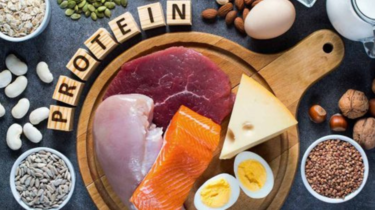
Protein, the powerhouse of our body's nutrition, plays a vital role in repairing tissues, bolstering our immune system, and maintaining muscle strength. While most individuals in developed nations meet their protein needs, certain groups, such as vegetarians, vegans, and older adults, may fall short. Recognizing the symptoms of protein deficiency is crucial for ensuring optimal health and well-being. Here, we delve into the seven major indicators of inadequate protein intake and provide insights into rectifying the imbalance.
1. Muscle Deterioration and Weakness:
Muscle wasting and weakness signal a deficiency in protein intake. Since protein is pivotal for muscle repair and maintenance, insufficient levels can lead to diminished strength, fatigue, and difficulty performing physical tasks.
2. Swelling (Edema):
Protein plays a key role in regulating fluid balance within the body. A deficiency can cause fluid retention, resulting in swelling, particularly in the extremities and abdomen. Severe edema linked to protein deficiency can even affect lung function, leading to breathing difficulties.
3. Alterations in Hair, Skin, and Nails:
Inadequate protein allocation can manifest in changes to hair, skin, and nails. Symptoms may include brittle hair, hair loss, dry skin, and fragile nails, as the body prioritizes essential functions over non-essential tissue maintenance.
4. Persistent Fatigue and Weakness:
Protein is essential for energy production. Insufficient intake can lead to persistent fatigue, low energy levels, and difficulties with concentration as the body may break down muscle tissue to fuel energy production.
5. Delayed Healing of Wounds:
Protein deficiency can hinder the body's ability to heal wounds promptly, leading to delayed recovery from injuries, surgical incisions, and heightened susceptibility to infections.
6. Impaired Growth:
Children and adolescents require adequate protein for growth and development. Insufficient intake during growth phases can result in inhibited growth, delayed developmental milestones, and poor weight gain.
7. Compromised Immune Function:
Protein is essential for immune function, aiding in the production of antibodies and immune cells. Deficiency can compromise the immune system, increasing susceptibility to infections, illnesses, and delaying recovery from illnesses.
# Bonus: 10 Protein-Packed Foods to Include in Your Diet
Recognizing the symptoms of protein deficiency is paramount for maintaining optimal health and well-being. By incorporating protein-rich foods into our diet and addressing any signs of deficiency promptly, we can ensure our bodies receive the essential nutrients they need to thrive.
1. Muscle Deterioration and Weakness:
Muscle wasting and weakness signal a deficiency in protein intake. Since protein is pivotal for muscle repair and maintenance, insufficient levels can lead to diminished strength, fatigue, and difficulty performing physical tasks.
2. Swelling (Edema):
Protein plays a key role in regulating fluid balance within the body. A deficiency can cause fluid retention, resulting in swelling, particularly in the extremities and abdomen. Severe edema linked to protein deficiency can even affect lung function, leading to breathing difficulties.
3. Alterations in Hair, Skin, and Nails:
Inadequate protein allocation can manifest in changes to hair, skin, and nails. Symptoms may include brittle hair, hair loss, dry skin, and fragile nails, as the body prioritizes essential functions over non-essential tissue maintenance.
4. Persistent Fatigue and Weakness:
Protein is essential for energy production. Insufficient intake can lead to persistent fatigue, low energy levels, and difficulties with concentration as the body may break down muscle tissue to fuel energy production.
5. Delayed Healing of Wounds:
Protein deficiency can hinder the body's ability to heal wounds promptly, leading to delayed recovery from injuries, surgical incisions, and heightened susceptibility to infections.
6. Impaired Growth:
Children and adolescents require adequate protein for growth and development. Insufficient intake during growth phases can result in inhibited growth, delayed developmental milestones, and poor weight gain.
7. Compromised Immune Function:
Protein is essential for immune function, aiding in the production of antibodies and immune cells. Deficiency can compromise the immune system, increasing susceptibility to infections, illnesses, and delaying recovery from illnesses.
# Bonus: 10 Protein-Packed Foods to Include in Your Diet
- Chicken breast
- Eggs
- Greek yogurt
- Tofu
- Lentils
- Salmon
- Quinoa
- Cottage cheese
- Almonds
- Chickpeas
Recognizing the symptoms of protein deficiency is paramount for maintaining optimal health and well-being. By incorporating protein-rich foods into our diet and addressing any signs of deficiency promptly, we can ensure our bodies receive the essential nutrients they need to thrive.
Next Story