
Common Mistakes Cat Owners Make That Can Affect Their Pet’s Health And Happiness

Cats are often seen as independent animals that can easily manage on their own, but caring for a pet cat requires attention, patience and proper understanding. While many owners deeply love their feline companions, certain everyday habits and misunderstandings can unintentionally affect a cat’s health, behaviour and emotional comfort. Some mistakes may appear harmless in the beginning but can gradually lead to stress, obesity, aggression, digestive problems or long-term health complications.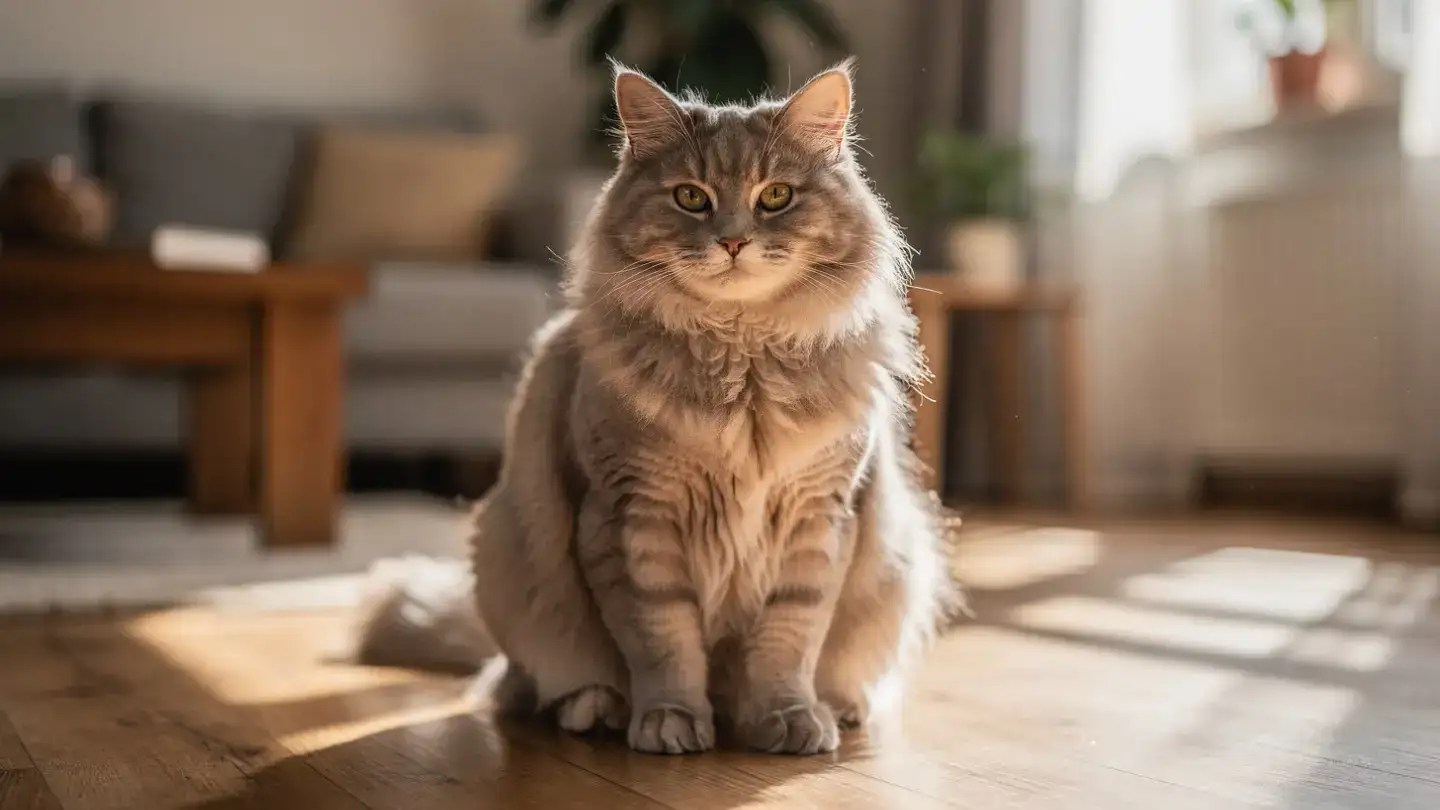
Unlike dogs, cats often hide signs of discomfort and illness, making it difficult for owners to notice problems early. This is why proper awareness about cat care becomes extremely important. From feeding practices and litter box hygiene to emotional stimulation and veterinary care, every aspect of a cat’s lifestyle plays a role in its overall well-being. Recognising the most common cat owner mistakes can help pet parents provide a happier and healthier life for their furry companions.
Feeding oily, salty or spicy human food can upset their digestive system and may even lead to serious health conditions. Overfeeding is another major issue that contributes to obesity in indoor cats. Excess weight can increase the risk of diabetes, joint pain and heart-related problems.
Owners should also ensure that fresh drinking water is always available. Some cats naturally drink less water, which can increase the risk of urinary tract issues. Providing clean water daily and maintaining proper cat nutrition tips can support better health in the long run.
Some owners assume cats behave differently simply because of mood swings, but behavioural changes should never be ignored. Even small changes may signal pain or underlying medical conditions. Observing daily habits closely can help owners detect problems earlier and seek veterinary advice when necessary.
Understanding pet cat behaviour also improves the emotional connection between owners and their cats. Cats thrive when they feel secure and understood within their environment.
Many households with multiple cats also make the mistake of providing too few litter boxes. Experts generally recommend one litter box per cat, plus an additional one if possible. Proper placement also matters. Litter trays should be placed in quiet and easily accessible locations rather than crowded or noisy corners.
Maintaining litter box cleanliness not only improves hygiene but also supports better indoor cat health and emotional comfort.
Interactive toys, climbing spaces, scratching posts and short play sessions are important for keeping cats mentally active. Without stimulation, cats may develop anxiety or behavioural problems such as excessive scratching and aggression.
Playtime also strengthens the bond between cats and owners. Even a few minutes of daily interaction can improve a cat’s mood and reduce stress significantly.
Routine vaccinations, dental care and parasite control are important parts of caring for cats responsibly. Dental disease, for example, is extremely common in cats but often goes unnoticed until severe pain develops.
Regular veterinary visits also help track weight changes, detect infections early and ensure cats receive proper medical attention throughout different life stages.
This can increase stress and lead to fearful or defensive behaviour. Cats need time to adjust to new environments and unfamiliar people. Respecting their boundaries helps build trust gradually.
Owners should allow cats to approach situations at their own pace instead of forcing physical affection or handling. Understanding a cat’s emotional comfort is just as important as meeting physical needs.
Many cats are naturally curious and may chew or explore risky items around the house. Creating safe resting spots, hiding spaces and elevated areas can help cats feel secure indoors.
Windows and balconies should also be protected properly because accidental falls can lead to severe injuries. A safe home environment is a major part of responsible cat care tips .
The good news is that most common cat owner mistakes can be corrected with awareness and simple lifestyle changes. Paying attention to nutrition, hygiene, behaviour and emotional needs helps create a healthier and happier environment for feline companions.
Responsible cat parenting is not about perfection but about understanding a cat’s needs with patience and consistency. When owners become more informed and attentive, cats are more likely to live longer, healthier and emotionally secure lives within the family.
Image Courtesy: Meta AI
Unlike dogs, cats often hide signs of discomfort and illness, making it difficult for owners to notice problems early. This is why proper awareness about cat care becomes extremely important. From feeding practices and litter box hygiene to emotional stimulation and veterinary care, every aspect of a cat’s lifestyle plays a role in its overall well-being. Recognising the most common cat owner mistakes can help pet parents provide a happier and healthier life for their furry companions.
Feeding Cats Incorrectly
One of the most common mistakes cat owners make is offering an unbalanced diet. Many people feed cats excessive treats, leftover human food or poor-quality food without checking nutritional value. Cats require a protein-rich diet because they are obligate carnivores, meaning animal protein is essential for their health.Feeding oily, salty or spicy human food can upset their digestive system and may even lead to serious health conditions. Overfeeding is another major issue that contributes to obesity in indoor cats. Excess weight can increase the risk of diabetes, joint pain and heart-related problems.
Owners should also ensure that fresh drinking water is always available. Some cats naturally drink less water, which can increase the risk of urinary tract issues. Providing clean water daily and maintaining proper cat nutrition tips can support better health in the long run.
Ignoring Behavioural Changes
Cats communicate discomfort through behaviour, but many owners fail to recognise the warning signs. Sudden aggression, hiding, reduced appetite, unusual vocalisation or avoiding social interaction can indicate stress, anxiety or illness.Some owners assume cats behave differently simply because of mood swings, but behavioural changes should never be ignored. Even small changes may signal pain or underlying medical conditions. Observing daily habits closely can help owners detect problems earlier and seek veterinary advice when necessary.
Understanding pet cat behaviour also improves the emotional connection between owners and their cats. Cats thrive when they feel secure and understood within their environment.
Neglecting Litter Box Hygiene
A dirty litter box is one of the biggest reasons cats become stressed or begin urinating outside the box. Cats are naturally clean animals and prefer hygienic surroundings. When litter trays are not cleaned regularly, cats may avoid using them completely.Many households with multiple cats also make the mistake of providing too few litter boxes. Experts generally recommend one litter box per cat, plus an additional one if possible. Proper placement also matters. Litter trays should be placed in quiet and easily accessible locations rather than crowded or noisy corners.
Maintaining litter box cleanliness not only improves hygiene but also supports better indoor cat health and emotional comfort.
Lack Of Mental And Physical Stimulation
Although cats enjoy sleeping for long hours, they still need regular mental and physical activity. Many owners assume indoor cats do not require exercise or stimulation. As a result, cats may become bored, inactive or destructive.Interactive toys, climbing spaces, scratching posts and short play sessions are important for keeping cats mentally active. Without stimulation, cats may develop anxiety or behavioural problems such as excessive scratching and aggression.
Playtime also strengthens the bond between cats and owners. Even a few minutes of daily interaction can improve a cat’s mood and reduce stress significantly.
Skipping Regular Veterinary Visits
Some cat owners visit a veterinarian only when their pet appears seriously ill. However, regular health check-ups are essential for preventive care. Cats can develop health conditions silently without obvious symptoms during the early stages.Routine vaccinations, dental care and parasite control are important parts of caring for cats responsibly. Dental disease, for example, is extremely common in cats but often goes unnoticed until severe pain develops.
Regular veterinary visits also help track weight changes, detect infections early and ensure cats receive proper medical attention throughout different life stages.
Forcing Cats Into Uncomfortable Situations
Cats have unique personalities and comfort levels. Some enjoy social interaction while others prefer personal space. A common mistake many owners make is forcing cats to interact with strangers, children or other pets before they feel comfortable.This can increase stress and lead to fearful or defensive behaviour. Cats need time to adjust to new environments and unfamiliar people. Respecting their boundaries helps build trust gradually.
You may also like
- 'I have almost every colour' of 'comfy' £45 Skechers sandals now £18 with deal stack
- Priyanka Chopra Jonas just wore a reimagined 20-year-old saree in a jaw-dropping couture moment at Gold Gala
- Why Jungkook Broke BTS's Mexico Fashion Plan
- Understanding Women Through Three Key Features
- Astrological Insights for the Week of May 10-16, 2026
Owners should allow cats to approach situations at their own pace instead of forcing physical affection or handling. Understanding a cat’s emotional comfort is just as important as meeting physical needs.
Not Providing Safe Indoor Spaces
Indoor environments should be safe and stimulating for cats. Leaving harmful plants, exposed wires, toxic cleaning products or small swallowable objects within reach can create serious dangers.Many cats are naturally curious and may chew or explore risky items around the house. Creating safe resting spots, hiding spaces and elevated areas can help cats feel secure indoors.
Windows and balconies should also be protected properly because accidental falls can lead to severe injuries. A safe home environment is a major part of responsible cat care tips .
Why Awareness Matters In Cat Parenting
Cats may appear independent, but they depend heavily on their owners for safety, nutrition, emotional support and healthcare. Small mistakes made repeatedly over time can negatively affect a cat’s quality of life without owners even noticing immediately.The good news is that most common cat owner mistakes can be corrected with awareness and simple lifestyle changes. Paying attention to nutrition, hygiene, behaviour and emotional needs helps create a healthier and happier environment for feline companions.
Responsible cat parenting is not about perfection but about understanding a cat’s needs with patience and consistency. When owners become more informed and attentive, cats are more likely to live longer, healthier and emotionally secure lives within the family.
Image Courtesy: Meta AI






More from our partners


Loving Newspoint? Download the app now
