
Why Cold Drinks During Meals May Affect Digestion for Some People

A chilled soft drink or icy beverage with lunch or dinner feels refreshing, especially during hot weather. Many people naturally reach for cold drinks while eating because they help cool the body and make meals feel more enjoyable. However, some people notice bloating, heaviness, stomach discomfort, or sluggish digestion after pairing cold beverages with food. While this does not happen to everyone, the connection between cold drinks and digestion has become an interesting topic in health discussions.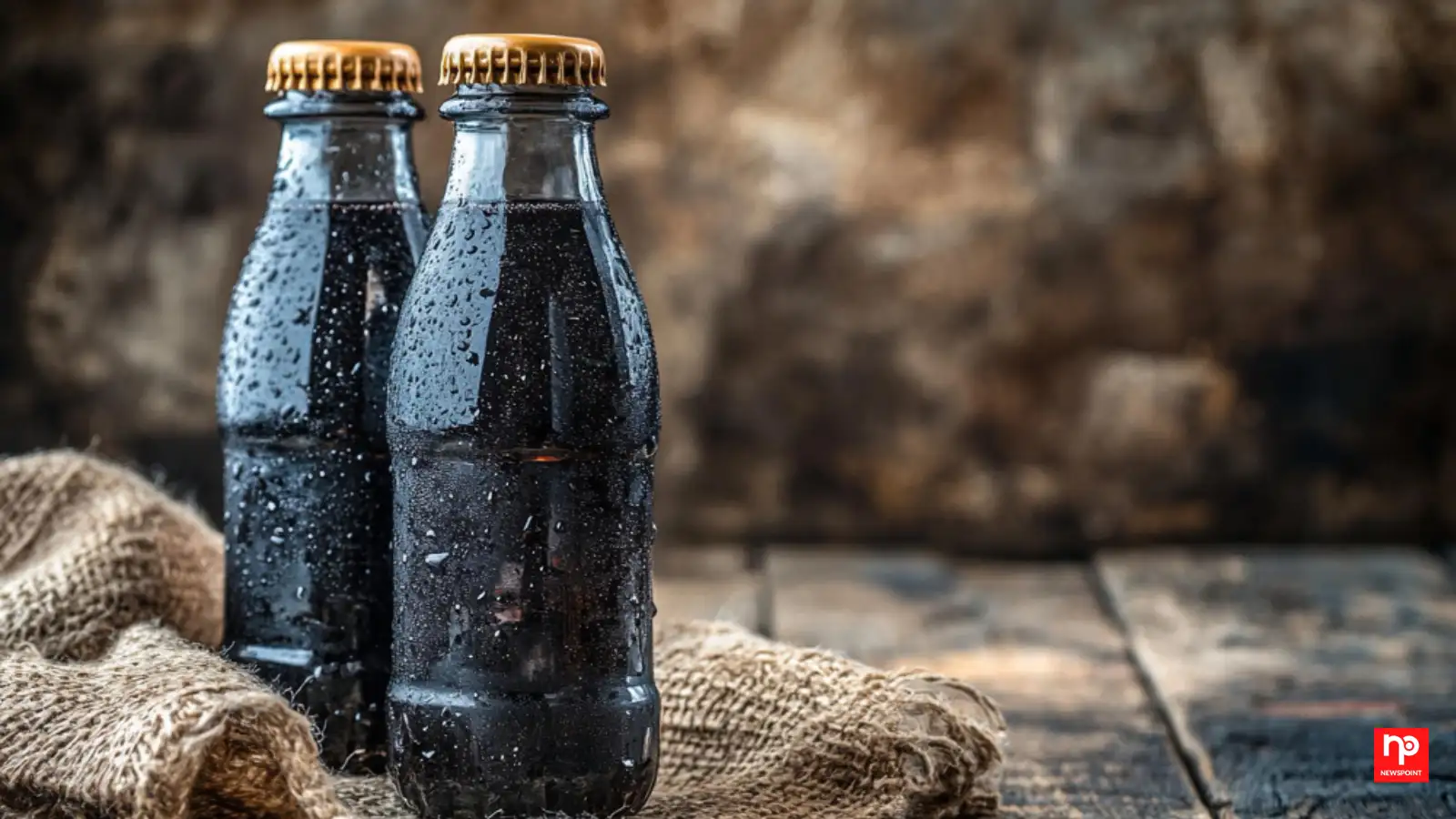
The human digestive system works like a carefully balanced process. The stomach uses heat, acids, and enzymes to break down food properly. When extremely cold beverages enter the stomach during meals, they may temporarily affect how efficiently digestion happens for certain individuals. Even in nature, animals like cats, dogs, elephants, and cows instinctively consume water differently around feeding times depending on their body needs and environment.
Understanding how cold beverages interact with the digestive system can help people make better choices without completely giving up their favorite drinks. The goal is not fear but awareness about how the body responds.
When food reaches the stomach, blood circulation around the digestive organs increases. This helps nutrients break down smoothly and move through the digestive tract efficiently. Warmth plays an important role in supporting this process.
Cold beverages may slightly disturb this balance for some people. The stomach sometimes needs extra effort to adjust the temperature difference before continuing normal digestion. This does not always create major problems, but sensitive stomachs may react more noticeably.
When digestion slows, food can remain in the stomach longer than usual. This may create feelings of heaviness, discomfort, or mild cramping. Carbonated cold drinks can make this worse because gas buildup increases pressure inside the stomach.
People who already experience acidity, indigestion, or sensitive digestion may notice these effects more often. Similar digestive sensitivity is observed in certain animals such as horses and rabbits, whose digestive systems react strongly to sudden dietary or temperature changes.
This effect is usually short-lived, but for some people, it may contribute to slower digestion or discomfort after eating. Fat-rich meals can become especially difficult to process because fats naturally take longer to digest. Combining heavy foods with icy beverages may therefore create a sluggish feeling in the stomach.
Traditional wellness systems in different cultures have long encouraged warm or room-temperature beverages during meals. While modern science continues to study these claims, many people personally feel a noticeable difference when switching from cold drinks to mildly warm liquids.
The combination of trapped gas, cold temperature, and a full stomach may increase discomfort. Some individuals also experience temporary tightening of stomach muscles after consuming very cold beverages.
Interestingly, even animals like monkeys and birds naturally avoid excessively cold food or water in many environments unless temperatures are extremely high. Nature often shows how living bodies prefer balance over extremes.
Some people have stronger digestive systems that adapt easily to temperature changes. Others may have sensitive stomachs that react quickly to certain foods or beverages. Age, stress, sleep, and meal size also influence digestion.
Listening to the body becomes important here. If someone consistently notices discomfort after drinking cold beverages with meals, reducing the temperature or quantity may help improve comfort.
Eating slowly, chewing properly, and avoiding overeating are equally important. Warm soups, herbal drinks, and plain water are often easier for the digestive system to handle during meals.
The digestive system works continuously every day, so small mindful habits can sometimes make a noticeable difference in overall comfort.
The human digestive system works like a carefully balanced process. The stomach uses heat, acids, and enzymes to break down food properly. When extremely cold beverages enter the stomach during meals, they may temporarily affect how efficiently digestion happens for certain individuals. Even in nature, animals like cats, dogs, elephants, and cows instinctively consume water differently around feeding times depending on their body needs and environment.
Understanding how cold beverages interact with the digestive system can help people make better choices without completely giving up their favorite drinks. The goal is not fear but awareness about how the body responds.
How Digestion Normally Works
Digestion begins the moment food enters the mouth. Saliva starts breaking down food particles before the stomach takes over. Inside the stomach, digestive acids and enzymes work together to process proteins, fats, and carbohydrates. The body maintains a warm internal temperature because many digestive reactions work best under stable conditions.When food reaches the stomach, blood circulation around the digestive organs increases. This helps nutrients break down smoothly and move through the digestive tract efficiently. Warmth plays an important role in supporting this process.
Cold beverages may slightly disturb this balance for some people. The stomach sometimes needs extra effort to adjust the temperature difference before continuing normal digestion. This does not always create major problems, but sensitive stomachs may react more noticeably.
Why Cold Drinks Can Feel Heavy During Meals
Many people report feeling bloated or unusually full after drinking icy beverages with food. One reason could be the way cold temperatures affect stomach movement. Some studies and health experts suggest that extremely chilled drinks may temporarily slow the digestive process in sensitive individuals.When digestion slows, food can remain in the stomach longer than usual. This may create feelings of heaviness, discomfort, or mild cramping. Carbonated cold drinks can make this worse because gas buildup increases pressure inside the stomach.
People who already experience acidity, indigestion, or sensitive digestion may notice these effects more often. Similar digestive sensitivity is observed in certain animals such as horses and rabbits, whose digestive systems react strongly to sudden dietary or temperature changes.
The Possible Impact on Digestive Enzymes
Digestive enzymes are important because they help the body absorb nutrients from food. These enzymes function most effectively at normal body temperature. Extremely cold drinks may temporarily reduce the efficiency of certain digestive activities until the stomach adjusts.This effect is usually short-lived, but for some people, it may contribute to slower digestion or discomfort after eating. Fat-rich meals can become especially difficult to process because fats naturally take longer to digest. Combining heavy foods with icy beverages may therefore create a sluggish feeling in the stomach.
Traditional wellness systems in different cultures have long encouraged warm or room-temperature beverages during meals. While modern science continues to study these claims, many people personally feel a noticeable difference when switching from cold drinks to mildly warm liquids.
Cold Drinks and Bloating
Bloating is one of the most common complaints linked to cold beverages during meals. Carbonated cold drinks can introduce extra gas into the digestive system. At the same time, rapid drinking during meals may cause people to swallow more air without realizing it.The combination of trapped gas, cold temperature, and a full stomach may increase discomfort. Some individuals also experience temporary tightening of stomach muscles after consuming very cold beverages.
Interestingly, even animals like monkeys and birds naturally avoid excessively cold food or water in many environments unless temperatures are extremely high. Nature often shows how living bodies prefer balance over extremes.
Does Everyone Experience Digestive Issues?
Not everyone reacts negatively to cold drinks during meals . Many people consume chilled beverages daily without noticeable problems. Digestion depends on several factors, including metabolism, eating habits, medical conditions, and overall gut health.Some people have stronger digestive systems that adapt easily to temperature changes. Others may have sensitive stomachs that react quickly to certain foods or beverages. Age, stress, sleep, and meal size also influence digestion.
Listening to the body becomes important here. If someone consistently notices discomfort after drinking cold beverages with meals, reducing the temperature or quantity may help improve comfort.
Better Ways to Support Healthy Digestion
Simple habits can support smoother digestion without making drastic lifestyle changes. Drinking water slowly instead of quickly gulping beverages may reduce bloating. Choosing room-temperature drinks during heavy meals may also feel gentler on the stomach.Eating slowly, chewing properly, and avoiding overeating are equally important. Warm soups, herbal drinks, and plain water are often easier for the digestive system to handle during meals.
The digestive system works continuously every day, so small mindful habits can sometimes make a noticeable difference in overall comfort.
Next Story