
How Parents Can Make Drinking Water Fun And Interesting For Kids At Home

Keeping children properly hydrated can often become a daily challenge for parents. Many kids prefer flavoured drinks, packaged juices, or sugary beverages over plain water, making it difficult to maintain healthy hydration habits. However, adequate water intake is extremely important for a child’s growth, digestion, concentration, immunity, and energy levels. Dehydration may sometimes lead to tiredness, headaches, poor focus, and reduced physical activity. Instead of forcing children to drink more water, parents can adopt creative and enjoyable methods that make hydration feel natural and fun. With a few smart lifestyle habits and engaging routines, children can gradually develop a healthier relationship with drinking water.
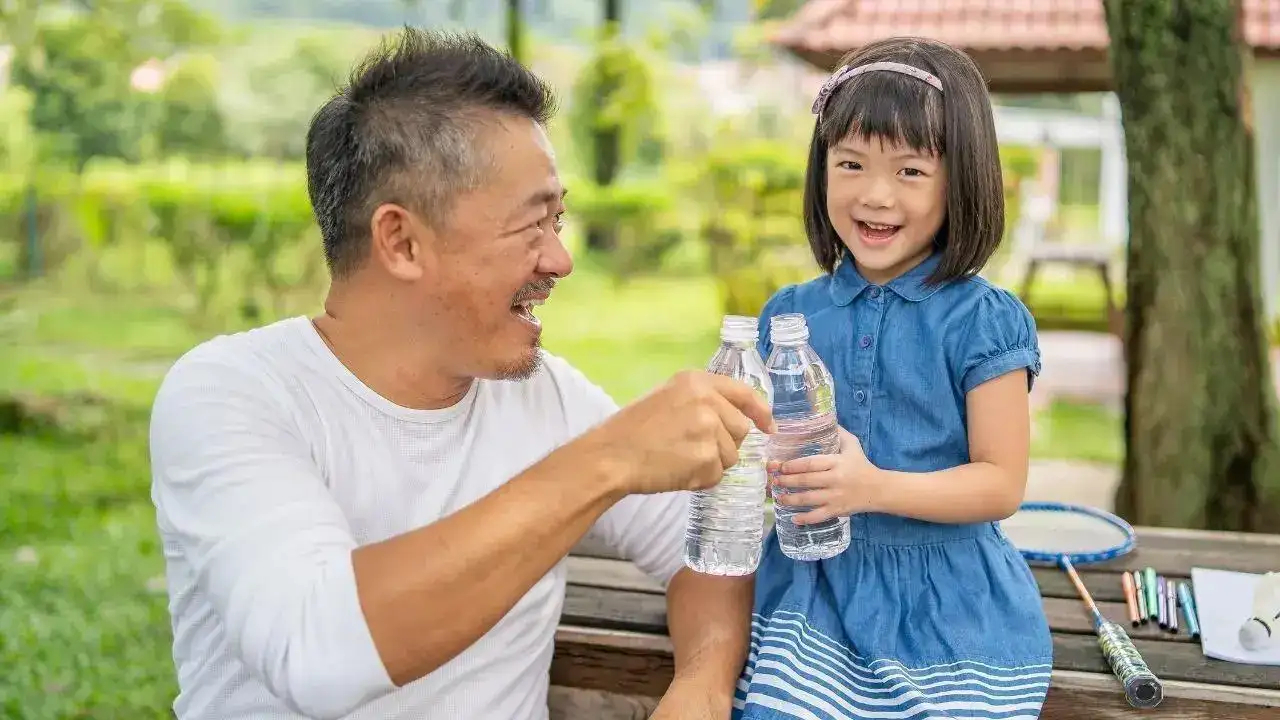
Children are often more physically active than adults, which means they may lose fluids quickly through sweating and movement. During hot weather or outdoor play, hydration becomes even more important.
A lack of proper water intake can affect mood, focus, and energy levels. In some cases, mild dehydration may also lead to constipation or fatigue.
Building healthy hydration habits early in life can therefore support long-term health and wellbeing.
Kids are naturally drawn towards bright colours, cartoon characters, playful designs, and personalised items. Allowing them to choose their own bottle can make them more interested in carrying and using it regularly.
Some parents also use bottles with measurement markers or motivational messages to make drinking water feel like a fun activity rather than a task.
Keeping water easily accessible throughout the day increases the chances of regular sipping.
Slices of lemon, orange, strawberry, cucumber, mint, or watermelon can make water more refreshing and visually appealing without adding artificial sugar.
Fruit-infused water not only improves taste but may also encourage children to drink more frequently. Parents can even involve kids in preparing flavoured water at home to make the experience interactive and enjoyable.
However, packaged flavoured drinks with high sugar content should still be limited.
Simple activities such as sticker charts, hydration challenges, or colourful progress trackers can motivate children to finish their daily water intake.
Some families also create 'water breaks' during study time, outdoor play, or television hours to build regular drinking habits naturally.
Positive encouragement generally works better than forcing children to drink water repeatedly throughout the day.
Watermelon, cucumber, oranges, strawberries, tomatoes, and lettuce are examples of foods that help keep the body hydrated.
Soups, yoghurt, smoothies, and coconut water may also support hydration, especially during hot weather.
By including water-rich foods regularly in meals and snacks, parents can improve hydration levels even in children who drink less water directly.
Making water the primary beverage at home can help create healthier habits naturally. Parents should drink water regularly in front of children and encourage family-wide hydration routines.
Keeping water bottles visible at home and serving water with meals instead of sugary drinks can also influence children positively.
Healthy habits are easier to develop when the entire household follows similar routines.
While occasional treats are acceptable, relying heavily on sugary drinks can increase sugar intake and weaken healthy hydration habits.
Parents can gradually reduce these beverages and replace them with healthier alternatives such as infused water, homemade drinks, or plain chilled water.
Slow and consistent changes are usually more effective than sudden restrictions.
Making water visually appealing, offering natural flavours, using fun routines, and encouraging healthy family habits can all make a significant difference.
Over time, these small efforts can help children develop a natural preference for water, supporting better energy levels, concentration, digestion, and overall health as they grow.
Why Proper Hydration Matters For Children
Water plays an important role in nearly every bodily function. It helps regulate body temperature, supports digestion, improves concentration, and keeps the body active throughout the day.Children are often more physically active than adults, which means they may lose fluids quickly through sweating and movement. During hot weather or outdoor play, hydration becomes even more important.
A lack of proper water intake can affect mood, focus, and energy levels. In some cases, mild dehydration may also lead to constipation or fatigue.
Building healthy hydration habits early in life can therefore support long-term health and wellbeing.
Use Colourful And Fun Water Bottles
One simple yet effective way to encourage children to drink more water is by giving them attractive water bottles.Kids are naturally drawn towards bright colours, cartoon characters, playful designs, and personalised items. Allowing them to choose their own bottle can make them more interested in carrying and using it regularly.
Some parents also use bottles with measurement markers or motivational messages to make drinking water feel like a fun activity rather than a task.
Keeping water easily accessible throughout the day increases the chances of regular sipping.
Add Natural Flavours To Water
Many children avoid plain water because they find it boring compared to sweetened beverages. A healthier alternative is to add natural flavours using fruits and herbs.Slices of lemon, orange, strawberry, cucumber, mint, or watermelon can make water more refreshing and visually appealing without adding artificial sugar.
Fruit-infused water not only improves taste but may also encourage children to drink more frequently. Parents can even involve kids in preparing flavoured water at home to make the experience interactive and enjoyable.
However, packaged flavoured drinks with high sugar content should still be limited.
Turn Hydration Into A Fun Daily Routine
Children often respond positively to games, rewards, and challenges. Parents can therefore create small hydration goals or playful routines around drinking water.Simple activities such as sticker charts, hydration challenges, or colourful progress trackers can motivate children to finish their daily water intake.
Some families also create 'water breaks' during study time, outdoor play, or television hours to build regular drinking habits naturally.
Positive encouragement generally works better than forcing children to drink water repeatedly throughout the day.
Include Water-Rich Foods In Daily Meals
Hydration does not come only from drinking water. Many fruits and vegetables naturally contain high water content and can contribute towards overall fluid intake.Watermelon, cucumber, oranges, strawberries, tomatoes, and lettuce are examples of foods that help keep the body hydrated.
Soups, yoghurt, smoothies, and coconut water may also support hydration, especially during hot weather.
By including water-rich foods regularly in meals and snacks, parents can improve hydration levels even in children who drink less water directly.
Be A Good Example At Home
Children often copy the habits they observe around them. If parents regularly choose soft drinks over water, children may develop similar preferences.Making water the primary beverage at home can help create healthier habits naturally. Parents should drink water regularly in front of children and encourage family-wide hydration routines.
Keeping water bottles visible at home and serving water with meals instead of sugary drinks can also influence children positively.
Healthy habits are easier to develop when the entire household follows similar routines.
Reduce Dependence On Sugary Drinks
Packaged juices, soft drinks, energy drinks, and excessive flavoured beverages may reduce a child’s interest in plain water over time.While occasional treats are acceptable, relying heavily on sugary drinks can increase sugar intake and weaken healthy hydration habits.
Parents can gradually reduce these beverages and replace them with healthier alternatives such as infused water, homemade drinks, or plain chilled water.
Slow and consistent changes are usually more effective than sudden restrictions.
Make Hydration A Positive Habit
Helping children drink more water does not always require strict rules or pressure. In many cases, creativity, consistency, and positive reinforcement can gradually improve hydration habits.Making water visually appealing, offering natural flavours, using fun routines, and encouraging healthy family habits can all make a significant difference.
Over time, these small efforts can help children develop a natural preference for water, supporting better energy levels, concentration, digestion, and overall health as they grow.
Next Story