
How To Capture Stunning Travel Photos That Look Professional Even Without Expensive Gear

Travel photography has become an important part of modern journeys. Whether someone is exploring mountain towns, relaxing on beaches or walking through busy city streets, photographs help preserve memories that last long after the trip ends. Today, travellers no longer rely only on professional cameras to capture beautiful moments. Even smartphones are capable of producing impressive images when used correctly.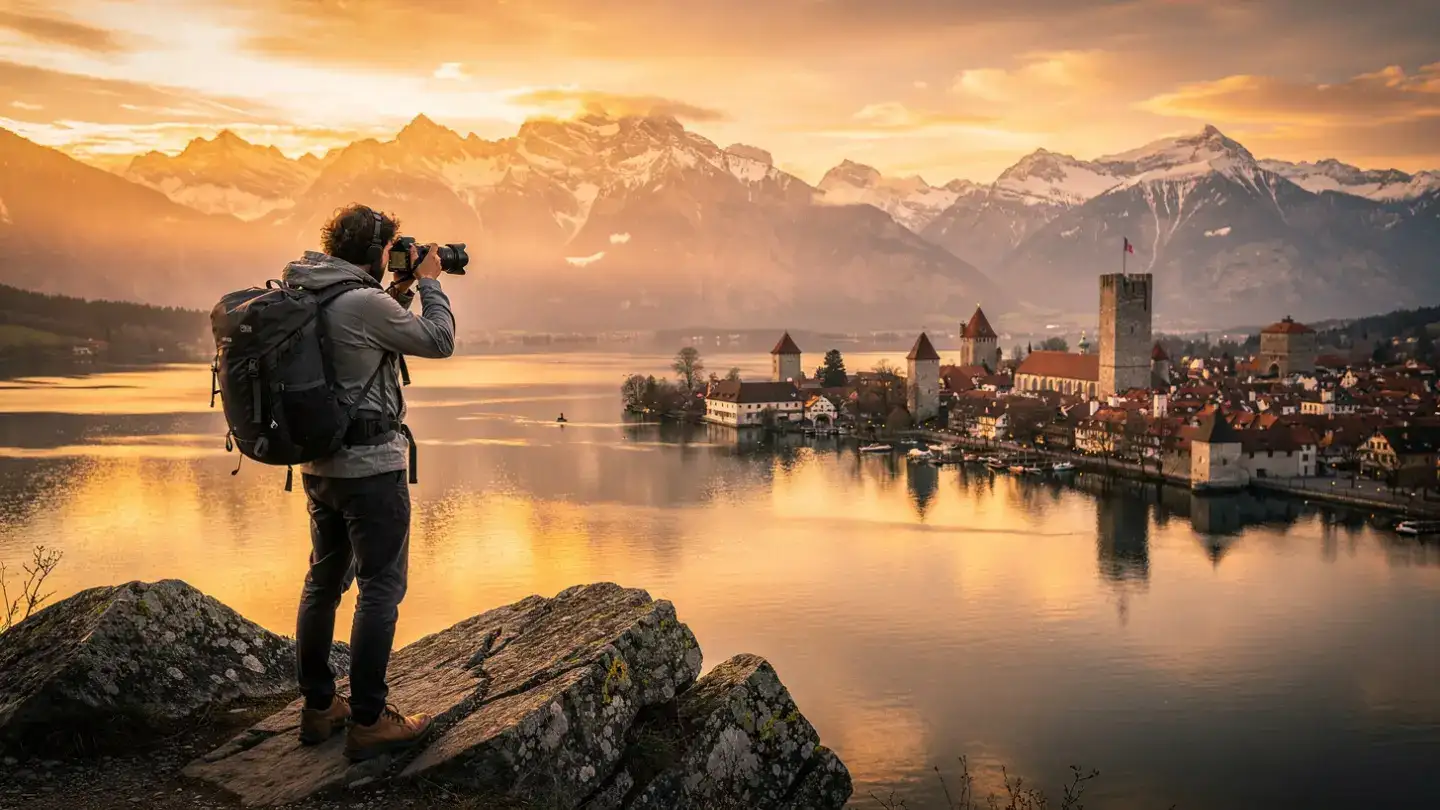
However, taking truly memorable travel photographs requires more than simply pointing a camera at famous landmarks. Great travel images often tell stories, capture emotions and reflect the atmosphere of a place. Lighting, timing, composition and creativity all play a major role in improving photographs. By understanding a few simple techniques, travellers can dramatically improve the quality of their pictures and create images that stand out.
Harsh midday sunlight can create strong shadows and overexposed images. Many photographers therefore prefer sunrise or sunset for outdoor pictures. These moments also add natural colours to landscapes, buildings and portraits.
Cloudy weather should not always be seen as a problem. Overcast skies often create balanced lighting conditions, which are useful for street photography and portraits. Soft light reduces harsh shadows and helps capture more details.
Leading lines such as roads, bridges or railway tracks can also make photographs more visually appealing. These elements naturally direct viewers through the image and create depth.
Travellers should also pay attention to backgrounds before taking photographs. Busy or distracting backgrounds can reduce the impact of an otherwise strong image. Choosing clean and balanced surroundings often improves the final result significantly.
Photographing local culture adds authenticity to travel albums. Simple moments such as children playing, people walking through old streets or artisans working can create emotionally powerful images.
Respect remains extremely important while photographing people. Asking permission politely before taking close portraits is always considered good practice, especially in cultural or rural areas.
Photographs taken from unique positions often appear more dynamic and interesting. A low-angle shot can make buildings look dramatic, while elevated viewpoints can reveal patterns and landscapes that are not visible from ground level.
Reflections can also create creative effects. Lakes, puddles, windows or mirrors sometimes add artistic depth to travel images when used carefully.
Simple editing adjustments such as brightness correction, colour balance and cropping are usually enough to improve images without making them look artificial. Natural-looking photographs often remain visually appealing for longer periods.
Travellers should also avoid taking too many staged pictures. Candid moments frequently feel more genuine and emotional compared to heavily posed photographs.
For travellers carrying cameras, lightweight equipment is usually more practical. Heavy camera bags can become inconvenient during long walks or outdoor activities.
Extra batteries, memory cards and lens cleaning cloths are useful items for longer journeys. Weather protection is also important when travelling to rainy or dusty destinations.
Rushing through photography often results in ordinary images. Spending extra time observing surroundings allows photographers to notice details that others may miss.
Patience also helps while photographing wildlife, landscapes or busy streets. Sometimes the best pictures are captured after several attempts rather than immediately.
A simple photograph of a quiet street café, mountain road or evening sunset can instantly bring back memories years later. This emotional connection is what makes travel photography so special.
As travel continues to inspire millions of people around the world, photography remains one of the most powerful ways to document journeys. With thoughtful composition, better timing and creative observation, anyone can capture stunning travel photos that preserve both beauty and unforgettable experiences.
Image Courtesy: Meta AI
However, taking truly memorable travel photographs requires more than simply pointing a camera at famous landmarks. Great travel images often tell stories, capture emotions and reflect the atmosphere of a place. Lighting, timing, composition and creativity all play a major role in improving photographs. By understanding a few simple techniques, travellers can dramatically improve the quality of their pictures and create images that stand out.
Light Can Completely Transform A Photograph
Lighting is one of the most important elements in photography. Even an ordinary location can look extraordinary when captured under the right light conditions. Early morning and late afternoon are often considered the best times for travel photography because sunlight appears softer and warmer during these hours.Harsh midday sunlight can create strong shadows and overexposed images. Many photographers therefore prefer sunrise or sunset for outdoor pictures. These moments also add natural colours to landscapes, buildings and portraits.
Cloudy weather should not always be seen as a problem. Overcast skies often create balanced lighting conditions, which are useful for street photography and portraits. Soft light reduces harsh shadows and helps capture more details.
Composition Makes Pictures More Engaging
Good composition helps guide attention towards the main subject in a photograph. One of the simplest techniques is the rule of thirds, where the subject is positioned slightly away from the centre instead of directly in the middle.Leading lines such as roads, bridges or railway tracks can also make photographs more visually appealing. These elements naturally direct viewers through the image and create depth.
Travellers should also pay attention to backgrounds before taking photographs. Busy or distracting backgrounds can reduce the impact of an otherwise strong image. Choosing clean and balanced surroundings often improves the final result significantly.
Capture Local Life Instead Of Only Landmarks
Many travellers focus only on famous tourist attractions, but some of the most memorable photographs come from everyday life. Street vendors, local markets, traditional food stalls and public transport often reflect the real personality of a destination.Photographing local culture adds authenticity to travel albums. Simple moments such as children playing, people walking through old streets or artisans working can create emotionally powerful images.
Respect remains extremely important while photographing people. Asking permission politely before taking close portraits is always considered good practice, especially in cultural or rural areas.
Experiment With Different Angles And Perspectives
Changing camera angles can instantly improve travel photographs. Instead of taking every picture from eye level, travellers can experiment with low angles, higher viewpoints or side perspectives.Photographs taken from unique positions often appear more dynamic and interesting. A low-angle shot can make buildings look dramatic, while elevated viewpoints can reveal patterns and landscapes that are not visible from ground level.
Reflections can also create creative effects. Lakes, puddles, windows or mirrors sometimes add artistic depth to travel images when used carefully.
Keep Travel Photography Natural And Simple
One common mistake many travellers make is over-editing their pictures. Excessive filters and unnatural colours can reduce the authenticity of photographs.Simple editing adjustments such as brightness correction, colour balance and cropping are usually enough to improve images without making them look artificial. Natural-looking photographs often remain visually appealing for longer periods.
Travellers should also avoid taking too many staged pictures. Candid moments frequently feel more genuine and emotional compared to heavily posed photographs.
Choosing The Right Equipment Matters
Professional cameras can offer more control, but good travel photography is possible even with smartphones. Modern mobile cameras now provide advanced features including portrait modes, night photography and image stabilisation.For travellers carrying cameras, lightweight equipment is usually more practical. Heavy camera bags can become inconvenient during long walks or outdoor activities.
You may also like
- Never Store These Vegetables in the Fridge! They Can Spoil Faster and Become Unsafe to Eat
- Relationship Advice: Are you in a relationship or married? Ask your partner these 5 questions, and your relationship will become stronger.
- Overhydration Risk: Is drinking only water dangerous in the summer? Learn the shocking truth from your doctor.
- Future-ready parenting: 5 soft skills children need more than marks
- The Right Way to Enjoy Cucumbers for Maximum Health Benefits
Extra batteries, memory cards and lens cleaning cloths are useful items for longer journeys. Weather protection is also important when travelling to rainy or dusty destinations.
Patience Often Leads To The Best Shots
Many great travel photographs happen unexpectedly. Waiting for the right light, movement or moment can make a major difference. A crowded location may suddenly become calm, or perfect sunlight may appear for only a few seconds.Rushing through photography often results in ordinary images. Spending extra time observing surroundings allows photographers to notice details that others may miss.
Patience also helps while photographing wildlife, landscapes or busy streets. Sometimes the best pictures are captured after several attempts rather than immediately.
Travel Photos Should Capture Emotions And Memories
The best travel photographs are not always technically perfect. Often, the most meaningful images are those that capture emotions, atmosphere and personal experiences.A simple photograph of a quiet street café, mountain road or evening sunset can instantly bring back memories years later. This emotional connection is what makes travel photography so special.
As travel continues to inspire millions of people around the world, photography remains one of the most powerful ways to document journeys. With thoughtful composition, better timing and creative observation, anyone can capture stunning travel photos that preserve both beauty and unforgettable experiences.
Image Courtesy: Meta AI






More from our partners


Loving Newspoint? Download the app now
