How To Detect Adulterated Mustard Seeds With Simple Home Checks

Mustard seeds hold a central place in Indian cooking, lending aroma, depth and flavour to everyday dishes. However, increasing concerns about food adulteration have made consumers more cautious about the spices they bring home. Mustard seeds, due to their widespread use, are sometimes mixed with cheaper seeds or artificially enhanced to appear fresher or more uniform. Identifying adulteration is essential because genuine mustard seeds not only enhance taste but also support better health. Fortunately, many simple checks can be carried out at home using basic observation and familiar kitchen tools. These methods help shoppers make confident choices and ensure the seeds they buy offer the quality they expect.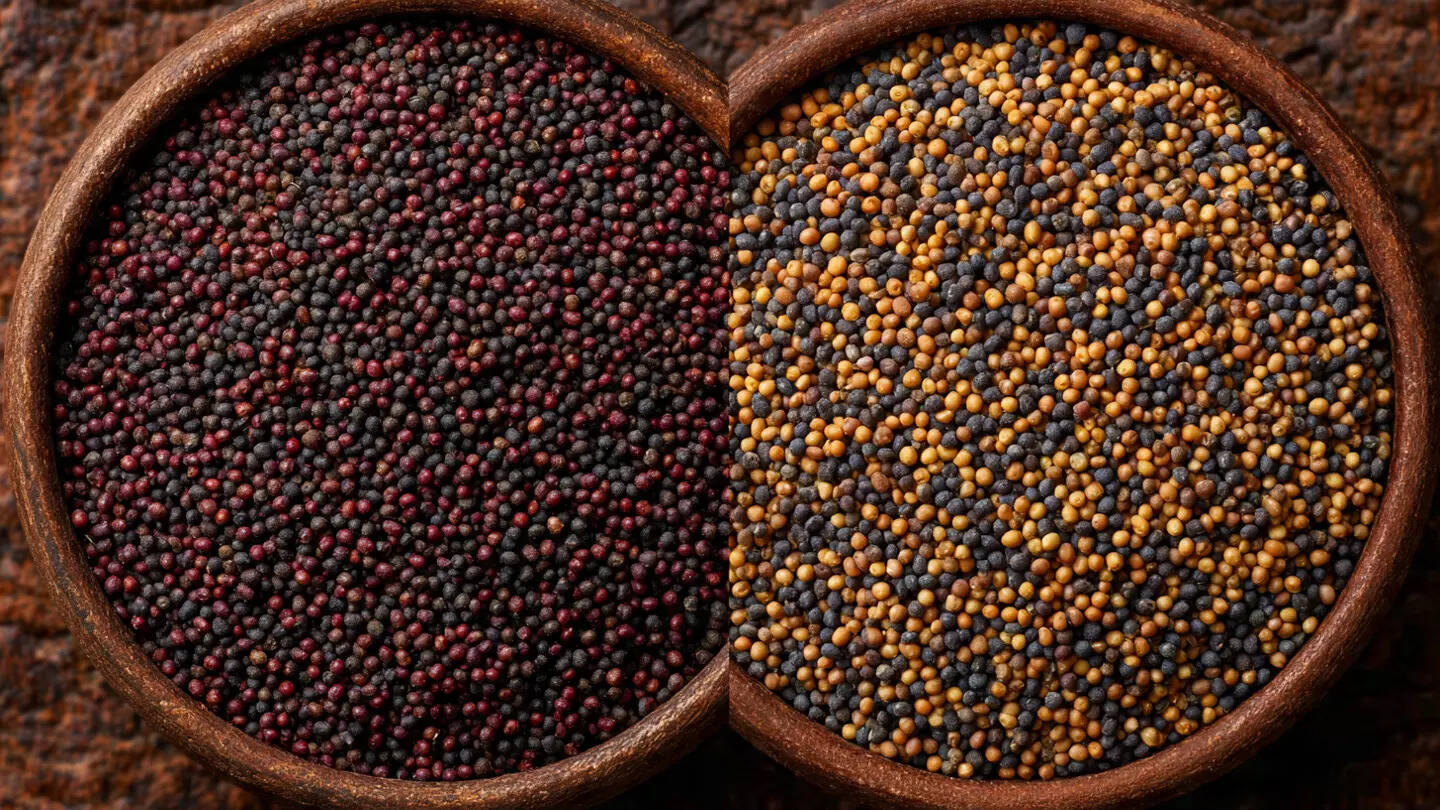
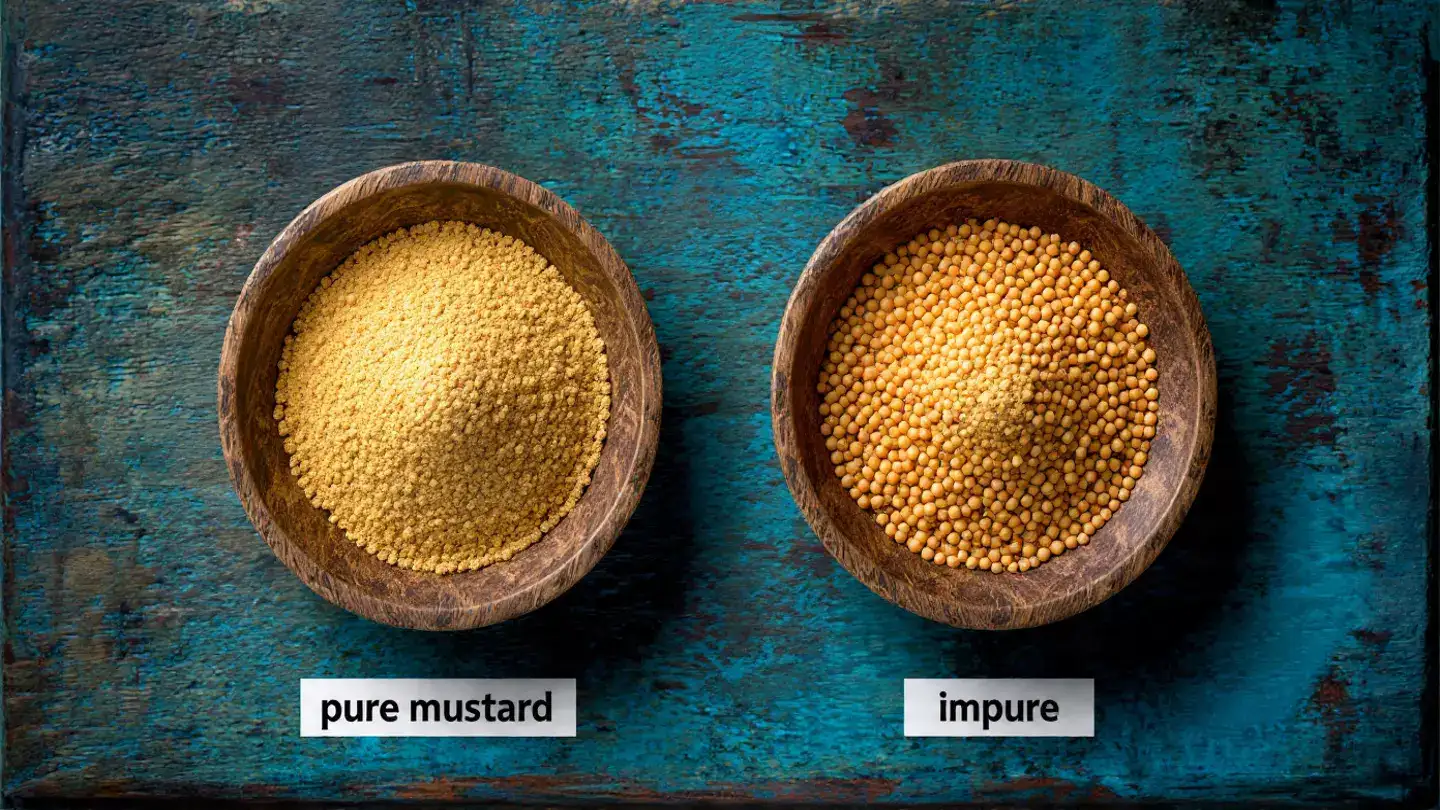
Image Courtesy: Meta AI
Common Types of Adulteration Found in Mustard Seeds
Mustard seeds are most often adulterated with cheaper seeds that resemble them in size and shape. A common example is the mixing of argemone seeds, which closely resemble black mustard seeds but are harmful if consumed. Other adulterants include coloured seeds, dust, stones and leftover husk. Some traders may enhance the outer appearance with oil to make the seeds look glossy and fresh. Understanding the nature of adulteration is the first step in detecting it and adopting safer purchasing practices.Visual Examination for Impurities
One of the simplest ways to check authenticity is by closely observing the seeds under good light. Pure mustard seeds have a smooth, round shape with a consistent colour. Yellow mustard seeds appear pale yellow, while black mustard seeds range from deep brown to almost black. If the batch contains seeds of irregular shapes, cracked surfaces, or different shades, it may be adulterated. Presence of lighter or unusually dark seeds can also indicate mixing. Similarly, dust particles, fine husk or tiny stone-like grains reveal poor cleaning or possible contamination.The Press Test Helps Identify True Aroma
Genuine mustard seeds are naturally rich in volatile oils that release a sharp, pungent aroma when pressed. To test this, take a few seeds between your fingers and crush them gently. Pure mustard seeds will release a distinctive, fresh smell commonly associated with mustard oil or tempering in Indian cooking. If the aroma is missing, unusually faint or replaced with an artificial scent, the seeds may be old or mixed with non-aromatic seeds. This simple method provides a quick indication of whether the seeds are authentic.Water Test to Spot Mixed Seeds
A reliable home test involves placing a teaspoon of mustard seeds in a glass of clean water. Pure mustard seeds typically settle to the bottom because they are dense. Adulterants such as damaged seeds, husk or lighter seeds often float or remain suspended. If many seeds rise to the surface or show discolouration when wet, it suggests possible adulteration. While this test is not foolproof by itself, it helps when combined with other observations and provides a clear sense of quality.Heat Test to Check for Added Oil or Colour
Sometimes mustard seeds are coated with oil or artificial colouring agents to enhance their appearance. A basic heat test can reveal this. Place a few seeds on a warm tawa for a minute. Pure mustard seeds will pop slightly or release a mild aromatic vapour as they warm. If the seeds release coloured smoke, leave stains or produce an unusual smell, that may indicate the presence of added oil or artificial colouring. This method is easy to do and often reveals adulteration that is difficult to detect visually.Examining Texture and Weight
High-quality mustard seeds feel firm and uniform in texture. When rubbed between the fingers, they should not leave a greasy or powdery residue. If the seeds feel overly oily, sticky or uneven, it could be due to adulteration or improper storage. Weight is also a subtle indicator, as pure seeds tend to feel heavier when held in a handful, whereas mixed seeds or damaged grains may feel surprisingly light. These tactile checks help confirm whether the batch has maintained its natural integrity.Safer Buying Practices for Consumers
While at-home checks provide useful guidance, prevention begins at the point of purchase. It is advisable to buy mustard seeds from trusted stores that maintain proper storage conditions. Opting for sealed and clearly labelled packs reduces the risk of contamination. Checking the manufacturing date and ensuring the packaging is not damaged also helps preserve quality. Bulk purchases should be avoided unless the source is reliable, and it is always wise to buy quantities that can be used within a reasonable period to prevent degradation.Image Courtesy: Meta AI
Next Story