
How To Identify Fake Packaged Water Before It Puts Your Health At Serious Risk

How To Identify Fake Packaged Water Before It Puts Your Health At Serious Risk: Packaged drinking water has become an essential part of daily life for millions of people, especially in busy cities, railway stations, offices, schools and travel destinations. Many consumers trust bottled water because it appears cleaner and safer than ordinary water sources. However, the rising demand for packaged water has also created a market for counterfeit products. Fake packaged water bottles are now being sold in many places, often using copied labels and misleading packaging that look similar to genuine brands.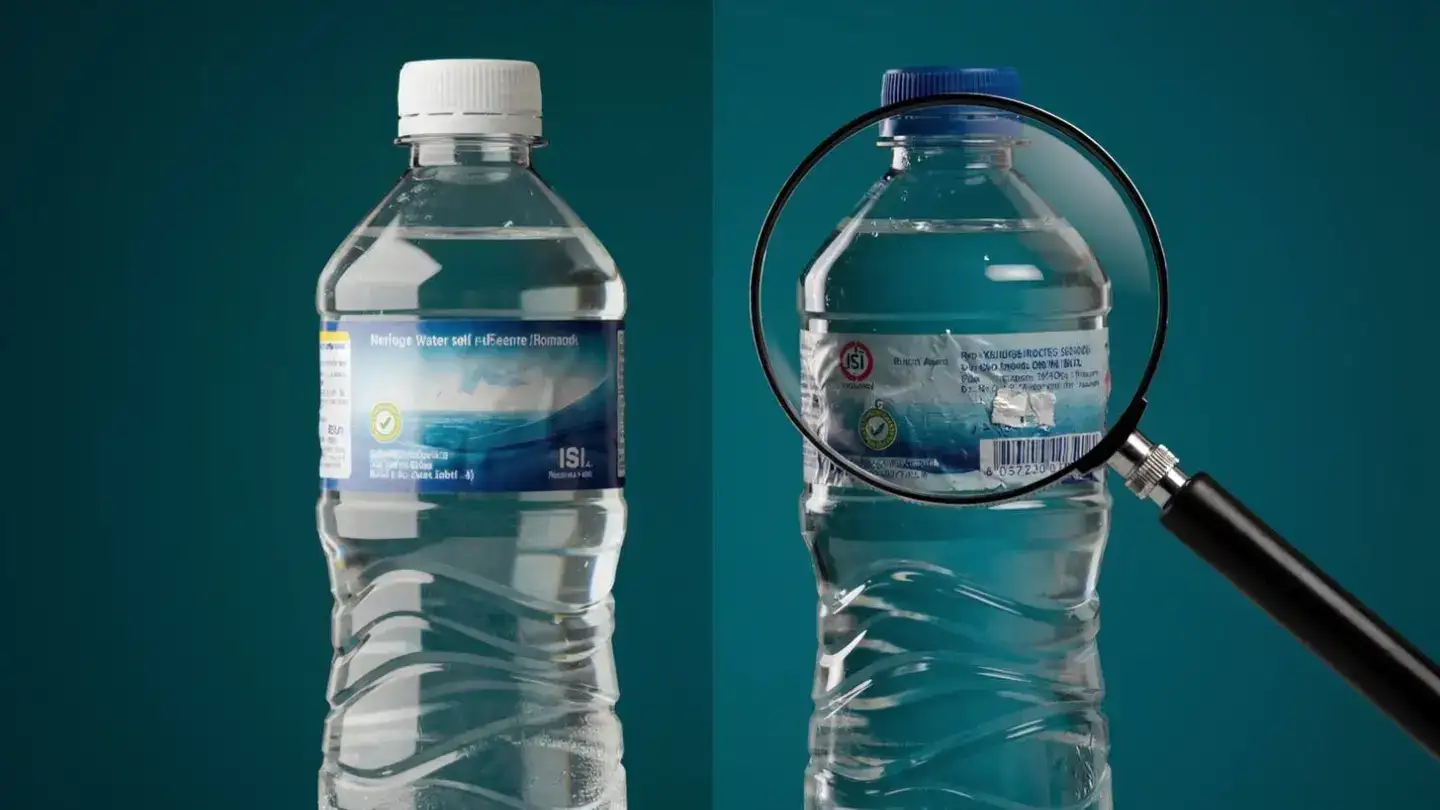
Drinking unsafe or contaminated water can lead to stomach infections, food poisoning, diarrhoea and several water-borne diseases. The problem becomes more serious during summer when water consumption increases rapidly and duplicate products enter the market more aggressively. Identifying fake packaged water is therefore not only important for quality but also essential for protecting health. Fortunately, there are several simple signs that can help consumers recognise suspicious bottles before making a purchase.
If the cap feels loose, damaged or already tampered with, avoid purchasing the bottle immediately. Counterfeit sellers sometimes refill used bottles with untreated water and reseal them manually. In many cases, the sealing may look uneven or weak. A poorly attached cap is often one of the strongest warning signs of fake packaged drinking water.
Consumers should also check whether the manufacturing date, expiry date and batch number are clearly mentioned. Missing details or poorly printed information can indicate a duplicate product. Sometimes counterfeiters use labels that look almost identical to original brands, but small differences in font style, logo placement or colour shade may expose the fake packaging.
A genuine certification mark is usually accompanied by a licence number. If the label only displays a logo without proper licence details, the product may not be authentic. Checking this information carefully can help consumers avoid counterfeit water bottles that fail to meet safety standards.
Consumers should inspect the bottle carefully for dents, unusual shapes or poor finishing around the edges. If the bottle appears unusually lightweight or weak, it may be a reused container. Low-quality plastic can also release harmful substances into the water, especially when exposed to heat.
If the water looks unclear or contains tiny particles, avoid consuming it immediately. Genuine bottled water usually undergoes purification processes that remove visible contamination. Any unusual appearance may indicate improper filtration or unhygienic handling.
Similarly, if the taste feels unusual, salty or bitter, stop drinking it immediately. Counterfeit water bottles are sometimes filled using unsafe local water sources without proper purification treatment. Paying attention to smell and taste can therefore help identify fake packaged water quickly.
Roadside stalls and temporary kiosks sometimes store bottles in unhygienic conditions or unknowingly sell fake products. Consumers should also avoid bottles kept directly under sunlight for long hours because excessive heat can affect water quality and plastic safety.
Although discounts are common in retail markets, prices that appear too good to be true may indicate duplicate products. Comparing the price with standard market rates can help buyers identify suspicious bottles more easily.
Simple habits such as checking seals, inspecting labels and purchasing from reliable stores can significantly reduce health risks. Educating family members, especially children and elderly people, about bottled water safety tips is equally important because they are often more vulnerable to water-borne illnesses.
With packaged drinking water becoming a daily necessity in modern life, consumers must remain alert and informed. A few extra seconds spent checking a bottle carefully can prevent serious health complications and ensure safer drinking water for everyone.
Image Courtesy: Meta AI
Drinking unsafe or contaminated water can lead to stomach infections, food poisoning, diarrhoea and several water-borne diseases. The problem becomes more serious during summer when water consumption increases rapidly and duplicate products enter the market more aggressively. Identifying fake packaged water is therefore not only important for quality but also essential for protecting health. Fortunately, there are several simple signs that can help consumers recognise suspicious bottles before making a purchase.
Check The Seal Carefully
One of the easiest ways to identify fake packaged water is by inspecting the bottle seal. Genuine bottled water usually comes with a tight and properly fitted cap. When you open a genuine bottle, the seal often creates a cracking sound because it is factory-sealed securely.If the cap feels loose, damaged or already tampered with, avoid purchasing the bottle immediately. Counterfeit sellers sometimes refill used bottles with untreated water and reseal them manually. In many cases, the sealing may look uneven or weak. A poorly attached cap is often one of the strongest warning signs of fake packaged drinking water.
Examine The Label And Printing Quality
The label on a water bottle can reveal a lot about its authenticity. Genuine brands usually maintain high-quality printing standards with clear text, proper spelling and sharp colours. Fake bottles often have blurry printing, faded colours or spelling mistakes on the label.Consumers should also check whether the manufacturing date, expiry date and batch number are clearly mentioned. Missing details or poorly printed information can indicate a duplicate product. Sometimes counterfeiters use labels that look almost identical to original brands, but small differences in font style, logo placement or colour shade may expose the fake packaging.
Look For BIS Certification Mark
In India, packaged drinking water is required to follow quality standards approved by the Bureau of Indian Standards. Consumers should look for the ISI or BIS certification mark printed on the bottle label.A genuine certification mark is usually accompanied by a licence number. If the label only displays a logo without proper licence details, the product may not be authentic. Checking this information carefully can help consumers avoid counterfeit water bottles that fail to meet safety standards.
Observe The Bottle Shape And Plastic Quality
Fake packaged water manufacturers often use low-quality plastic bottles that feel thinner or softer than original ones. Genuine bottles generally have a sturdy structure and consistent design.Consumers should inspect the bottle carefully for dents, unusual shapes or poor finishing around the edges. If the bottle appears unusually lightweight or weak, it may be a reused container. Low-quality plastic can also release harmful substances into the water, especially when exposed to heat.
Pay Attention To The Water Clarity
Safe packaged drinking water should appear completely clear and free from visible particles. Before buying a bottle, hold it against light and check for floating impurities, sediments or unusual cloudiness.If the water looks unclear or contains tiny particles, avoid consuming it immediately. Genuine bottled water usually undergoes purification processes that remove visible contamination. Any unusual appearance may indicate improper filtration or unhygienic handling.
Smell And Taste Matter Too
Consumers should never ignore unusual smell or taste in bottled water. Genuine packaged water generally has a neutral taste and no odour. If the water smells chemical-like, metallic or unpleasant, it may be contaminated or improperly stored.Similarly, if the taste feels unusual, salty or bitter, stop drinking it immediately. Counterfeit water bottles are sometimes filled using unsafe local water sources without proper purification treatment. Paying attention to smell and taste can therefore help identify fake packaged water quickly.
Avoid Buying From Unreliable Sellers
The place from where you buy packaged water also matters significantly. Purchasing water bottles from authorised shops, supermarkets and trusted vendors reduces the risk of receiving counterfeit products.Roadside stalls and temporary kiosks sometimes store bottles in unhygienic conditions or unknowingly sell fake products. Consumers should also avoid bottles kept directly under sunlight for long hours because excessive heat can affect water quality and plastic safety.
Be Careful With Extremely Cheap Prices
If a packaged water bottle is being sold at an unusually low price, consumers should remain cautious. Counterfeit products are often priced cheaper to attract buyers quickly.Although discounts are common in retail markets, prices that appear too good to be true may indicate duplicate products. Comparing the price with standard market rates can help buyers identify suspicious bottles more easily.
Why Consumer Awareness Is Important
The problem of counterfeit water bottles cannot be solved only through regulations and inspections. Consumer awareness plays a major role in reducing the circulation of fake products. When buyers become more careful and report suspicious products, it becomes harder for counterfeit sellers to continue illegal practices.Simple habits such as checking seals, inspecting labels and purchasing from reliable stores can significantly reduce health risks. Educating family members, especially children and elderly people, about bottled water safety tips is equally important because they are often more vulnerable to water-borne illnesses.
With packaged drinking water becoming a daily necessity in modern life, consumers must remain alert and informed. A few extra seconds spent checking a bottle carefully can prevent serious health complications and ensure safer drinking water for everyone.
Image Courtesy: Meta AI
Next Story