How To Identify Pure Curd At Home Without Any Equipment

Curd, or yoghurt, is a staple in many Indian homes, cherished for its health benefits and refreshing taste. However, not all curd sold in the market is genuinely pure. Adulteration with starch, synthetic acids, or diluted milk can reduce its nutritional value and even affect digestion. According to food safety experts, being able to identify pure curd is vital for maintaining good health. By learning to test its texture, aroma, and taste, and by following a few simple home methods, you can easily tell whether your curd is authentic or adulterated.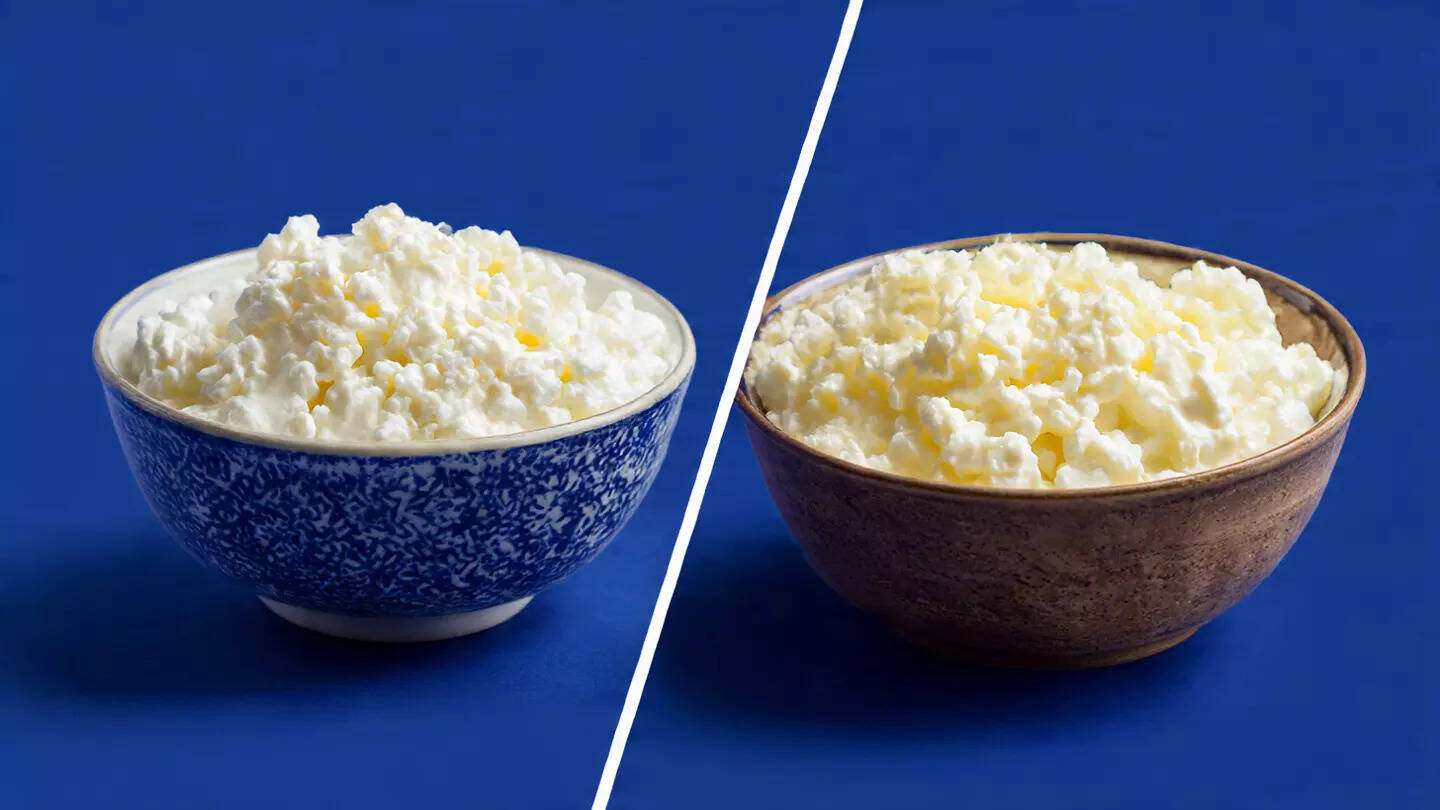
Knowing how to test curd for purity helps you make informed food choices. Simple home checks—such as assessing its texture, smell, and response to heat—are enough to confirm whether your curd is natural. According to food experts, even a small effort to verify its quality can prevent exposure to unhealthy additives. Choosing pure curd ensures better nutrition, taste, and overall well-being for your family.
Disclaimer: This article is intended for general informational purposes only. The content is based on insights from food safety experts and reliable sources. It should not be treated as professional or medical advice. Readers are advised to exercise discretion and consult certified food specialists or authorities if they suspect adulteration or need detailed guidance on food safety and quality.
Image Courtesy: Meta AI
Check the Texture and Consistency
The texture of pure curd is one of its most reliable indicators. Fresh, unadulterated curd should be smooth, creamy, and free from lumps or separation. If you notice an excessive watery layer on top or a grainy structure, it may suggest poor fermentation or dilution with water. Experts say that thick curd that holds its shape when scooped, without appearing rubbery, is usually a sign of purity. Avoid curd that feels excessively stiff or jelly-like, as it may contain artificial thickening agents such as gelatin or starch.Examine the Aroma Carefully
Pure curd has a mild, pleasant, slightly tangy smell. If it emits a sour, sharp, or pungent odour, it may be stale or made from spoiled milk. Synthetic curd or curd mixed with chemicals often lacks the natural, fermented scent. The aroma should resemble fresh yoghurt, not sour milk. Experts recommend trusting your senses—natural curd always smells clean and light, never fermented to the point of discomfort.Taste the Difference
Taste is an excellent clue to curd’s purity. Authentic curd has a balanced flavour: slightly tangy but not overly sour. Adulterated versions can taste unusually acidic or have a bland, watery profile due to added water or poor-quality milk. If the taste lingers with bitterness, it might indicate that preservatives or artificial acids were used. When in doubt, opt for homemade curd made with good-quality milk to ensure both safety and authentic flavour.Look for Signs of Water Adulteration
One of the most common forms of adulteration in curd is dilution with water. Pure curd has a naturally thick texture that doesn’t separate easily. To check, take a spoonful of curd and place it on a flat surface. If water quickly spreads out from it, the curd is likely mixed with water. Pure curd, on the other hand, will stay compact, leaving minimal liquid around it. According to food analysts, this simple observation can help identify whether the curd is genuinely made from whole milk.The Boiling Test for Purity
A practical way to check if your curd contains starch or other additives is to heat a small sample. Place a spoon of curd in a pan and warm it gently. Pure curd will curdle evenly without forming clumps or leaving any sticky residue. If you notice a gummy layer or a burnt smell, it could mean starch or synthetic stabilisers were added. Some experts also suggest adding a few drops of iodine to the curd sample—if the mixture turns blue, it indicates the presence of starch.Check the Colour and Appearance
Pure curd should be white or creamy white in colour. A yellowish or overly glossy look may signal artificial ingredients or poor storage. Also, look for even fermentation across the container. If some parts look watery and others too thick, the fermentation process might not have been natural. Homemade curd usually appears uniformly set, with a smooth upper layer and a mild shine.Read Labels When Buying Packaged Curd
For store-bought curd, checking the packaging is essential. Always read the label for ingredients, manufacturing date, and FSSAI licence number. Pure curd typically contains only milk and live cultures, with no added stabilisers or preservatives. Avoid curd with long shelf life or unknown brands that don’t specify live bacterial cultures, as these are signs of processed products. Food safety experts advise choosing reputable brands or local dairies with transparent production methods.Why Purity Matters
Pure curd is rich in probiotics that aid digestion, boost immunity, and support gut health. Adulterated curd, however, may lack these beneficial bacteria and could contain harmful additives that upset the stomach. Ensuring purity not only improves taste but also safeguards your health in the long run. Whether you buy it or make it at home, paying attention to freshness and authenticity ensures that you enjoy curd’s full nutritional benefits.Knowing how to test curd for purity helps you make informed food choices. Simple home checks—such as assessing its texture, smell, and response to heat—are enough to confirm whether your curd is natural. According to food experts, even a small effort to verify its quality can prevent exposure to unhealthy additives. Choosing pure curd ensures better nutrition, taste, and overall well-being for your family.
Disclaimer: This article is intended for general informational purposes only. The content is based on insights from food safety experts and reliable sources. It should not be treated as professional or medical advice. Readers are advised to exercise discretion and consult certified food specialists or authorities if they suspect adulteration or need detailed guidance on food safety and quality.
Image Courtesy: Meta AI
Next Story