
How To Spot Fake Packaged Snacks Before You Buy From Any Store Shelf

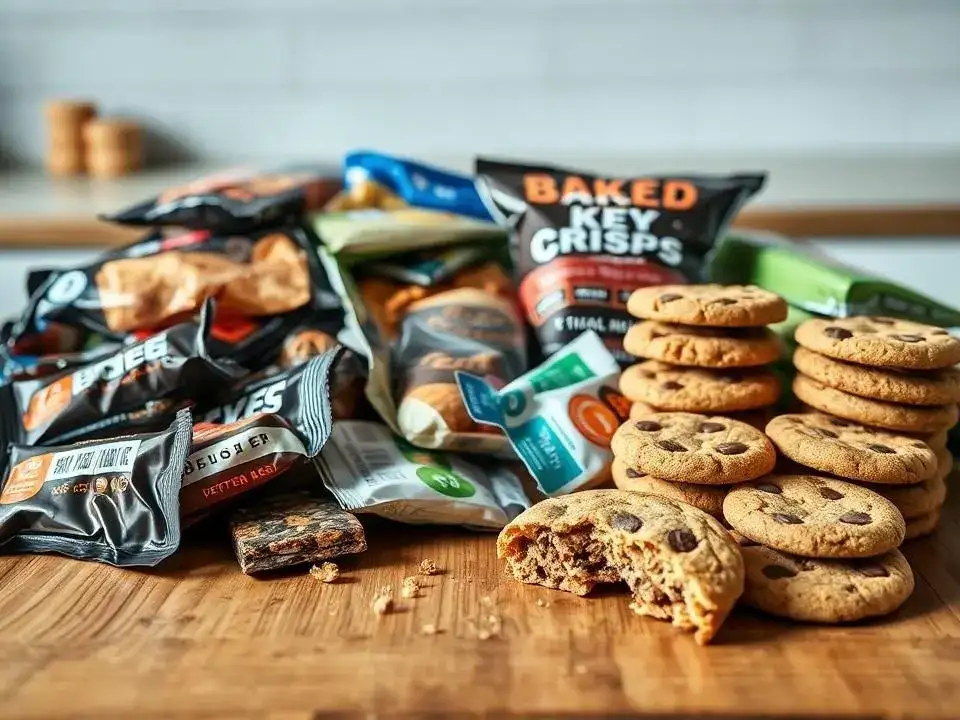
Packaged snacks are a daily part of modern eating habits, offering convenience, variety and quick consumption options. However, not all products on store shelves are genuine or safely produced. Fake or counterfeit packaged snacks can sometimes enter the market, posing risks to consumer health and trust. These products may imitate well-known brands or use misleading packaging to appear legitimate. Knowing how to identify such items is essential for making safe food choices. With increasing food fraud concerns, consumers need to stay alert and understand the basic signs that help distinguish authentic packaged snacks from fake or low-quality alternatives.
Such products are often found in informal retail settings, but they can occasionally appear in regular stores if supply chains are not properly monitored. This makes consumer awareness an important line of defence against food fraud.
Look closely at the sealing of the packet as well. Genuine products are typically sealed uniformly using industrial methods. Poor sealing, loose edges or irregular packaging can be a warning sign. Any visible difference from the familiar appearance of a trusted brand should be treated with caution.
If the label appears incomplete, missing, or difficult to read, it may indicate a counterfeit item. Be especially alert if unfamiliar ingredients are listed or if the product claims seem unrealistic, such as unusually low sugar or fat content without explanation.
Food labelling check practices are essential for understanding what you are consuming and ensuring product authenticity.
Fake products may have missing, altered or poorly printed expiry details. In some cases, dates may appear smudged or inconsistently placed on the packaging. It is also important to check whether the manufacturing address is provided. Reputable companies always include traceable production information.
If any of these details seem suspicious or inconsistent, it is safer to avoid purchasing the product.
Food safety tips often include comparing prices across different stores before making a purchase. If a well-known snack brand is being sold at an unexpectedly low price without a clear reason, it is worth investigating further.
Additionally, be cautious of products sold in informal or unverified locations where quality control may be weak.
If a product tastes unusually different, has a strange smell or inconsistent texture, it may not be genuine. However, this should only be considered after combining it with other warning signs, as minor variations can sometimes occur due to storage conditions.
Packaging that deteriorates quickly or appears weaker than usual can also be a sign of low-quality or counterfeit production.
Governments and food safety authorities continue to strengthen regulations, but individual vigilance remains equally important. Reporting suspicious products and choosing trusted retailers are simple yet effective steps towards improving overall food safety.
Consumer awareness food practices also encourage brands to maintain transparency and quality control, benefiting the entire supply chain.
Grocery shopping safety improves when consumers stay alert and avoid impulsive purchases. Choosing established retailers, checking product consistency and staying informed about common fraud indicators all contribute to safer food consumption.
As packaged foods continue to dominate modern diets, understanding how to identify genuine products is not just helpful but necessary for protecting health and maintaining trust in everyday food choices.
Understanding Fake Packaged Snacks
Fake packaged snacks are products that imitate established brands or legitimate food items but are produced without proper authorisation or quality standards. These items may use similar logos, packaging designs or names to confuse buyers. In some cases, they may contain inferior ingredients, incorrect labelling or unsafe manufacturing practices.Such products are often found in informal retail settings, but they can occasionally appear in regular stores if supply chains are not properly monitored. This makes consumer awareness an important line of defence against food fraud.
Check Packaging Quality and Design
One of the first steps in identifying fake packaged snacks is carefully examining the packaging itself. Authentic products usually have high-quality printing, clear branding and consistent design elements. Fake versions may show blurry text, uneven colours or spelling mistakes.Look closely at the sealing of the packet as well. Genuine products are typically sealed uniformly using industrial methods. Poor sealing, loose edges or irregular packaging can be a warning sign. Any visible difference from the familiar appearance of a trusted brand should be treated with caution.
Read the Ingredient List and Nutritional Information
Checking the label is one of the most reliable ways to detect fake packaged snacks. Legitimate products always provide a detailed ingredient list, nutritional information and manufacturer details.If the label appears incomplete, missing, or difficult to read, it may indicate a counterfeit item. Be especially alert if unfamiliar ingredients are listed or if the product claims seem unrealistic, such as unusually low sugar or fat content without explanation.
Food labelling check practices are essential for understanding what you are consuming and ensuring product authenticity.
Verify Expiry Dates and Manufacturing Details
Expiry dates and manufacturing information play a key role in identifying genuine packaged snacks. Authentic products always display clear, legible and properly formatted dates.Fake products may have missing, altered or poorly printed expiry details. In some cases, dates may appear smudged or inconsistently placed on the packaging. It is also important to check whether the manufacturing address is provided. Reputable companies always include traceable production information.
If any of these details seem suspicious or inconsistent, it is safer to avoid purchasing the product.
Observe Price and Market Behaviour
Unusually low prices can sometimes be a red flag. While discounts are common in retail, a price that is significantly lower than the standard market rate may indicate compromised quality or counterfeit goods.Food safety tips often include comparing prices across different stores before making a purchase. If a well-known snack brand is being sold at an unexpectedly low price without a clear reason, it is worth investigating further.
Additionally, be cautious of products sold in informal or unverified locations where quality control may be weak.
Examine Taste, Texture and Packaging After Purchase
In some cases, fake packaged snacks are only discovered after purchase. Changes in taste, smell or texture compared to the original product can indicate issues with authenticity.You may also like
- Cucumber Health Benefits: How Much Fiber and Vitamin C Does One Cucumber Contain?
- Simple Anti-Theft Phone Holding Trick That Can Help Protect Your Smartphone From Snatchers
- If you are expecting a baby, take advantage of these 5 government schemes to receive financial assistance..
- If you have a dog at home... do this immediately, or else you could face a hefty fine of ₹5,000..
- Understanding Ovarian Health and Fertility After 30
If a product tastes unusually different, has a strange smell or inconsistent texture, it may not be genuine. However, this should only be considered after combining it with other warning signs, as minor variations can sometimes occur due to storage conditions.
Packaging that deteriorates quickly or appears weaker than usual can also be a sign of low-quality or counterfeit production.
Importance of Consumer Awareness in Food Safety
Consumer awareness plays a vital role in preventing packaged food fraud . Being informed about packaging standards, labelling requirements and brand authenticity helps reduce the risk of purchasing fake products.Governments and food safety authorities continue to strengthen regulations, but individual vigilance remains equally important. Reporting suspicious products and choosing trusted retailers are simple yet effective steps towards improving overall food safety.
Consumer awareness food practices also encourage brands to maintain transparency and quality control, benefiting the entire supply chain.
Making Safer Choices in Everyday Shopping
Avoiding fake packaged snacks is largely about developing careful observation habits. Taking a few extra seconds to inspect packaging, read labels and verify product details can make a significant difference.Grocery shopping safety improves when consumers stay alert and avoid impulsive purchases. Choosing established retailers, checking product consistency and staying informed about common fraud indicators all contribute to safer food consumption.
As packaged foods continue to dominate modern diets, understanding how to identify genuine products is not just helpful but necessary for protecting health and maintaining trust in everyday food choices.






More from our partners


Loving Newspoint? Download the app now
