
7 Things You Must Know About Leafy Greens Before Adding Them to Your Diet

Leafy greens such as Spinach, Kale, lettuce, fenugreek, and amaranth are widely known as nutrition-rich foods that support overall health. They are packed with essential vitamins, minerals, fiber, and antioxidants, making them a must-have in a balanced diet. But while they are incredibly healthy, the way you consume them also matters. Here are 7 important facts you should know before making leafy greens a daily staple.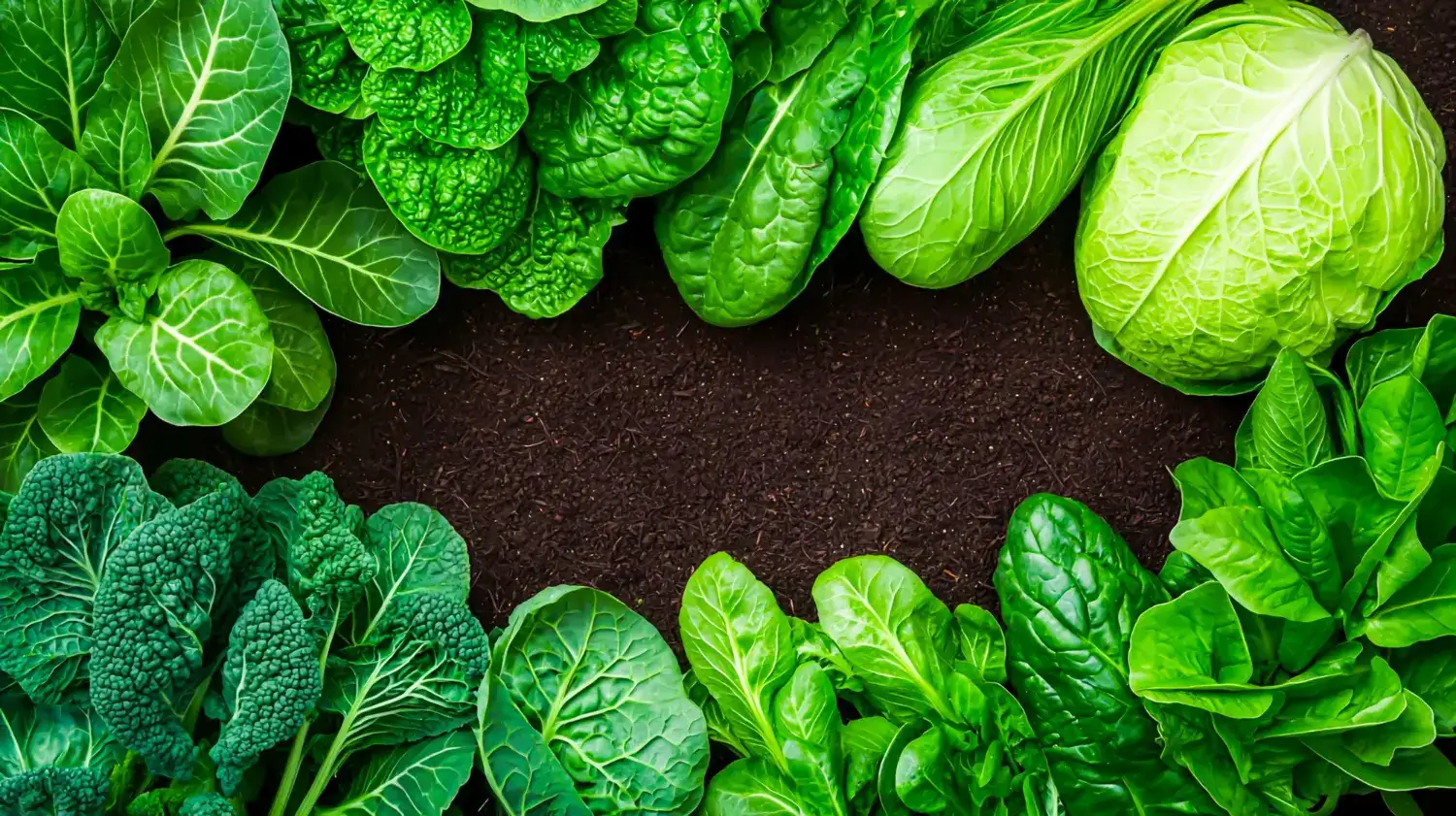
1. Nutrient-dense but very low in calories
Leafy greens are rich in vitamins A, C, K, folate, iron, calcium, and magnesium, yet they contain very few calories. This makes them ideal for weight management and heart health. However, relying only on greens without enough protein or healthy fats can lead to an unbalanced diet over time.
2. Oxalates can reduce mineral absorption
Some greens like spinach and beet leaves contain oxalates, which can bind with calcium and iron in the body and reduce their absorption. In sensitive individuals, excess oxalate intake may also increase the risk of kidney stones. Eating a variety of greens helps balance this effect.
3. Great source of dietary fiber
Leafy greens are high in fiber, which supports smooth digestion and regular bowel movements. They also help maintain gut health. However, eating large quantities suddenly may cause bloating or gas in people with sensitive stomachs.
4. Watch out for pesticide residue
Leafy greens often appear on lists of produce with higher pesticide residue. Thorough washing under running water helps reduce exposure. Choosing organic options or growing your own greens can be even safer.
5. May support healthy blood pressure
Greens are rich in natural nitrates that help relax blood vessels and improve blood flow. This can contribute to better heart health and lower blood pressure levels when included regularly in the diet.
6. Light cooking can improve nutrient availability
While raw greens are healthy, light cooking can enhance the absorption of certain nutrients like iron and beta-carotene. For example, lightly sautéed Spinach may offer better nutrient uptake than raw leaves. However, overcooking should be avoided as it destroys vitamin C and other heat-sensitive nutrients.
7. Balance is the key
Leafy greens are powerful, but they should not be your only food group. Combining them with proteins, whole grains, and healthy fats ensures better nutrient absorption and overall health benefits.
Leafy greens remain one of the simplest and most effective additions to a healthy diet, just remember that moderation, variety, and proper preparation make all the difference.
1. Nutrient-dense but very low in calories
Leafy greens are rich in vitamins A, C, K, folate, iron, calcium, and magnesium, yet they contain very few calories. This makes them ideal for weight management and heart health. However, relying only on greens without enough protein or healthy fats can lead to an unbalanced diet over time. 2. Oxalates can reduce mineral absorption
Some greens like spinach and beet leaves contain oxalates, which can bind with calcium and iron in the body and reduce their absorption. In sensitive individuals, excess oxalate intake may also increase the risk of kidney stones. Eating a variety of greens helps balance this effect.You may also like
- Experience 'Titanic' in Telangana, just 3 hours from Hyderabad
- How to make your kitchen sink drain smell clean and fresh again
- The hidden risk of vacuuming rodent droppings at the cottage
- Remove sticky labels from glass jars in minutes using this common ingredient
- Effective Ways to Cleanse Your Intestines Naturally
3. Great source of dietary fiber
Leafy greens are high in fiber, which supports smooth digestion and regular bowel movements. They also help maintain gut health. However, eating large quantities suddenly may cause bloating or gas in people with sensitive stomachs. 4. Watch out for pesticide residue
Leafy greens often appear on lists of produce with higher pesticide residue. Thorough washing under running water helps reduce exposure. Choosing organic options or growing your own greens can be even safer.5. May support healthy blood pressure
Greens are rich in natural nitrates that help relax blood vessels and improve blood flow. This can contribute to better heart health and lower blood pressure levels when included regularly in the diet. 6. Light cooking can improve nutrient availability
While raw greens are healthy, light cooking can enhance the absorption of certain nutrients like iron and beta-carotene. For example, lightly sautéed Spinach may offer better nutrient uptake than raw leaves. However, overcooking should be avoided as it destroys vitamin C and other heat-sensitive nutrients. 7. Balance is the key
Leafy greens are powerful, but they should not be your only food group. Combining them with proteins, whole grains, and healthy fats ensures better nutrient absorption and overall health benefits. Leafy greens remain one of the simplest and most effective additions to a healthy diet, just remember that moderation, variety, and proper preparation make all the difference.






More from our partners


Loving Newspoint? Download the app now
