
Lesser-Known Desert Experiences In India That Offer Adventure, Culture And Stunning Landscapes

India’s desert landscapes are often associated with Rajasthan’s golden dunes and camel safaris. However, the country offers far more diverse desert experiences than many travellers expect. Hidden across remote corners are silent salt plains, cold deserts, ancient villages and untouched sandscapes that remain less crowded yet deeply memorable.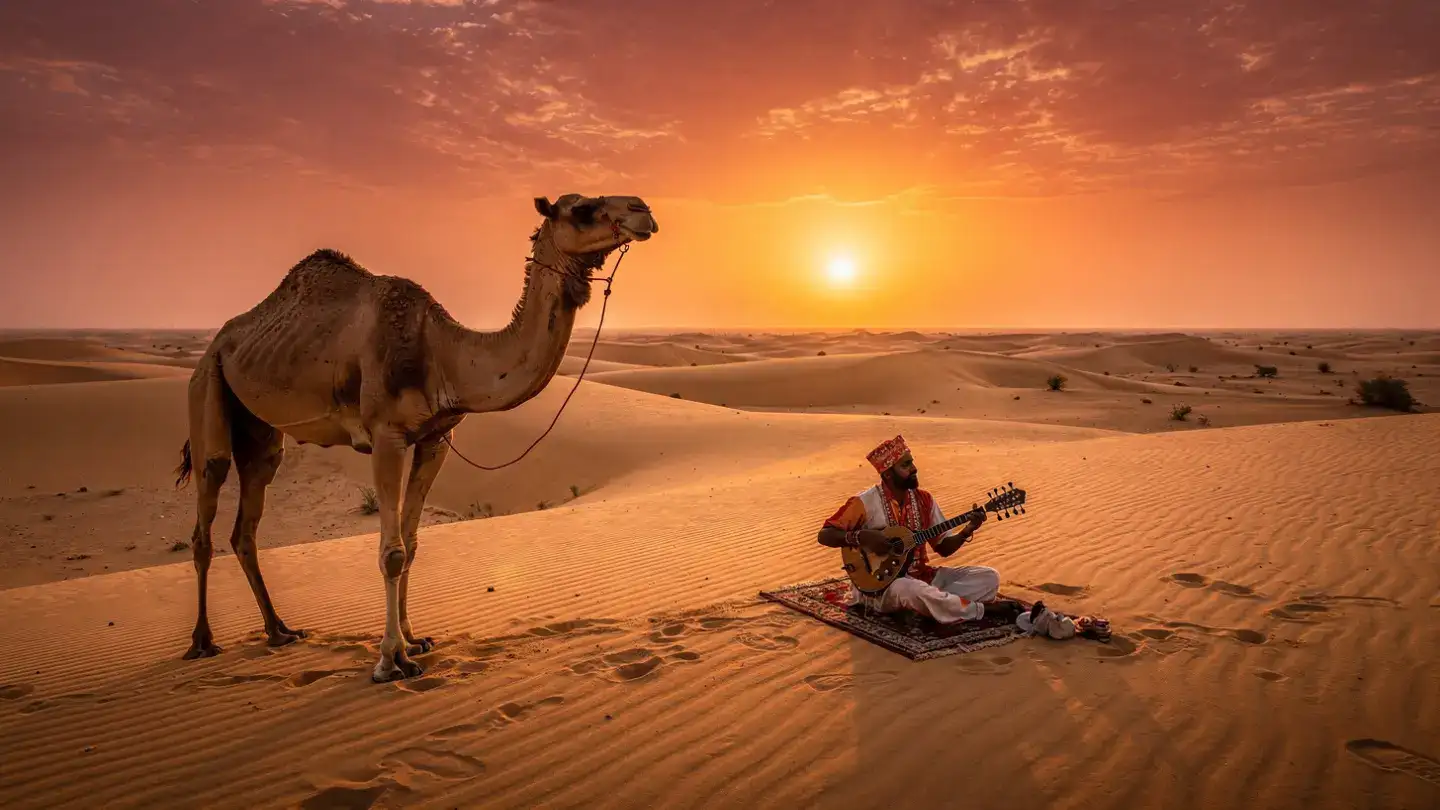
In recent years, travellers have increasingly shown interest in offbeat destinations that offer authenticity, peace and cultural depth. Lesser-known desert locations provide exactly that. These places allow visitors to experience dramatic landscapes, traditional lifestyles and natural beauty without the commercial rush often seen at popular tourist hubs.
From the icy deserts of Ladakh to the surreal white salt flats of Gujarat, India’s desert regions offer experiences that go far beyond ordinary sightseeing.
The rolling dunes around Khimsar are ideal for camel rides, jeep safaris and sunset photography. Traditional mud villages nearby allow visitors to observe local craftsmanship and rural desert life.
Khimsar is also known for its heritage fort turned hotel, which adds a royal atmosphere to the journey. The calm surroundings and fewer crowds make it attractive for travellers seeking relaxation alongside adventure.
The endless white salt plains create a dreamlike setting, especially during moonlit nights. Visitors often describe the experience as surreal due to the vast open landscape stretching endlessly towards the horizon.
Apart from scenic beauty, the region offers insight into traditional handicrafts, folk music and village culture. Local communities continue to preserve embroidery styles and artistic traditions passed down through generations.
The harsh yet beautiful terrain creates a sense of isolation rarely found elsewhere. Travellers visiting Spiti often enjoy long road journeys through winding mountain passes and quiet villages.
The valley’s monasteries, including Key Monastery and Tabo Monastery, offer cultural experiences deeply connected to Tibetan Buddhist traditions. Stargazing in Spiti is another unforgettable attraction due to the region’s clear skies and minimal light pollution.
The region is known for its sand dunes, camel safaris and ancient temples dating back several centuries. Travellers can experience cultural performances, traditional Rajasthani meals and overnight desert camps in a more relaxed environment.
Osian’s historical significance adds depth to the travel experience. The beautifully carved Jain and Hindu temples attract visitors interested in architecture and heritage alongside desert adventures.
The contrast between cold desert terrain and Himalayan landscapes creates an extraordinary visual experience. Double-humped Bactrian camels, introduced through old Silk Route trade connections, remain one of the region’s biggest attractions.
Travellers often visit villages such as Diskit and Hunder to experience Ladakhi culture, Buddhist monasteries and peaceful mountain life. The valley’s beauty changes dramatically with shifting light throughout the day, making it a favourite among photographers.
Camel breeding farms, old havelis and local food markets add character to the city. Desert safaris around Bikaner offer quieter routes through dunes and rural settlements.
The city’s famous snacks and sweets also contribute to its growing popularity among travellers exploring hidden desert places India . Unlike heavily commercialised tourist destinations, Bikaner still feels strongly connected to local traditions.
Jeep safaris across the dry landscape allow travellers to spot flamingos, desert foxes and migratory birds. The changing colours of the terrain during sunrise and sunset create spectacular views.
The area’s remote setting makes it ideal for travellers seeking unique desert adventures away from busy tourist circuits.
India’s deserts offer far more than sand dunes and camel rides. These lesser-known regions reveal the country’s remarkable geographical diversity and cultural richness. Whether it is the frozen landscapes of Spiti, the white salt flats of Kutch or the peaceful dunes of Khimsar, every destination offers a distinct experience shaped by history, climate and local traditions.
As interest in Indian desert tourism continues to grow, travellers are increasingly choosing quieter and more authentic destinations over crowded hotspots. These hidden landscapes not only provide adventure and scenic beauty but also create opportunities to experience India’s cultural heritage in a deeper and more meaningful way.
Image Courtesy: Meta AI
In recent years, travellers have increasingly shown interest in offbeat destinations that offer authenticity, peace and cultural depth. Lesser-known desert locations provide exactly that. These places allow visitors to experience dramatic landscapes, traditional lifestyles and natural beauty without the commercial rush often seen at popular tourist hubs.
From the icy deserts of Ladakh to the surreal white salt flats of Gujarat, India’s desert regions offer experiences that go far beyond ordinary sightseeing.
Khimsar Offers A Quiet Desert Escape
Located in Rajasthan’s Nagaur district, Khimsar remains one of the state’s underrated desert destinations. Unlike heavily crowded tourist zones, this region offers a more peaceful and intimate desert experience.The rolling dunes around Khimsar are ideal for camel rides, jeep safaris and sunset photography. Traditional mud villages nearby allow visitors to observe local craftsmanship and rural desert life.
Khimsar is also known for its heritage fort turned hotel, which adds a royal atmosphere to the journey. The calm surroundings and fewer crowds make it attractive for travellers seeking relaxation alongside adventure.
The White Desert Of Kutch Feels Almost Unreal
The Rann of Kutch in Gujarat is among the most visually striking desert landscapes in India. While the annual cultural festival attracts many tourists, large parts of the region still remain peaceful and relatively unexplored.The endless white salt plains create a dreamlike setting, especially during moonlit nights. Visitors often describe the experience as surreal due to the vast open landscape stretching endlessly towards the horizon.
Apart from scenic beauty, the region offers insight into traditional handicrafts, folk music and village culture. Local communities continue to preserve embroidery styles and artistic traditions passed down through generations.
Spiti Valley Brings A Cold Desert Experience
Himachal Pradesh’s Spiti Valley presents a completely different side of desert travel India . Unlike sandy deserts, Spiti is a cold desert filled with barren mountains, dramatic valleys and ancient monasteries.The harsh yet beautiful terrain creates a sense of isolation rarely found elsewhere. Travellers visiting Spiti often enjoy long road journeys through winding mountain passes and quiet villages.
The valley’s monasteries, including Key Monastery and Tabo Monastery, offer cultural experiences deeply connected to Tibetan Buddhist traditions. Stargazing in Spiti is another unforgettable attraction due to the region’s clear skies and minimal light pollution.
Osian Combines Desert Landscapes With Ancient Heritage
Often referred to as the gateway to the Thar Desert, Osian in Rajasthan offers a quieter alternative to Jaisalmer’s bustling desert tourism.The region is known for its sand dunes, camel safaris and ancient temples dating back several centuries. Travellers can experience cultural performances, traditional Rajasthani meals and overnight desert camps in a more relaxed environment.
Osian’s historical significance adds depth to the travel experience. The beautifully carved Jain and Hindu temples attract visitors interested in architecture and heritage alongside desert adventures.
Nubra Valley Offers Desert Views In The Himalayas
One of the most unique desert experiences in India can be found in Ladakh’s Nubra Valley. Situated at high altitude, the valley features sand dunes surrounded by snow-covered mountains.The contrast between cold desert terrain and Himalayan landscapes creates an extraordinary visual experience. Double-humped Bactrian camels, introduced through old Silk Route trade connections, remain one of the region’s biggest attractions.
Travellers often visit villages such as Diskit and Hunder to experience Ladakhi culture, Buddhist monasteries and peaceful mountain life. The valley’s beauty changes dramatically with shifting light throughout the day, making it a favourite among photographers.
Bikaner Preserves Traditional Desert Charm
While Jaipur and Jaisalmer attract larger tourist crowds, Bikaner continues to retain a more traditional desert atmosphere. Located in north-west Rajasthan, the city combines historical architecture with authentic desert experiences.Camel breeding farms, old havelis and local food markets add character to the city. Desert safaris around Bikaner offer quieter routes through dunes and rural settlements.
The city’s famous snacks and sweets also contribute to its growing popularity among travellers exploring hidden desert places India . Unlike heavily commercialised tourist destinations, Bikaner still feels strongly connected to local traditions.
Little Rann Of Kutch Offers Wildlife In Desert Landscapes
The Little Rann of Kutch provides a fascinating blend of desert scenery and wildlife tourism. This saline desert region is home to the Indian wild ass, one of the country’s rarest animals.Jeep safaris across the dry landscape allow travellers to spot flamingos, desert foxes and migratory birds. The changing colours of the terrain during sunrise and sunset create spectacular views.
The area’s remote setting makes it ideal for travellers seeking unique desert adventures away from busy tourist circuits.
India’s deserts offer far more than sand dunes and camel rides. These lesser-known regions reveal the country’s remarkable geographical diversity and cultural richness. Whether it is the frozen landscapes of Spiti, the white salt flats of Kutch or the peaceful dunes of Khimsar, every destination offers a distinct experience shaped by history, climate and local traditions.
As interest in Indian desert tourism continues to grow, travellers are increasingly choosing quieter and more authentic destinations over crowded hotspots. These hidden landscapes not only provide adventure and scenic beauty but also create opportunities to experience India’s cultural heritage in a deeper and more meaningful way.
Image Courtesy: Meta AI
Next Story