UP Woman’s Jaw Gets Stuck While Eating Golgappas: What Should You Know About Temporomandibular Disorder?

A light-hearted golgappa outing turned into a shocking emergency in Uttar Pradesh’s Auraiya district when a woman’s jaw suddenly dislocated while she was enjoying the spicy snack. What began as a weekend treat quickly spiralled into panic as her mouth remained stuck open, unable to close.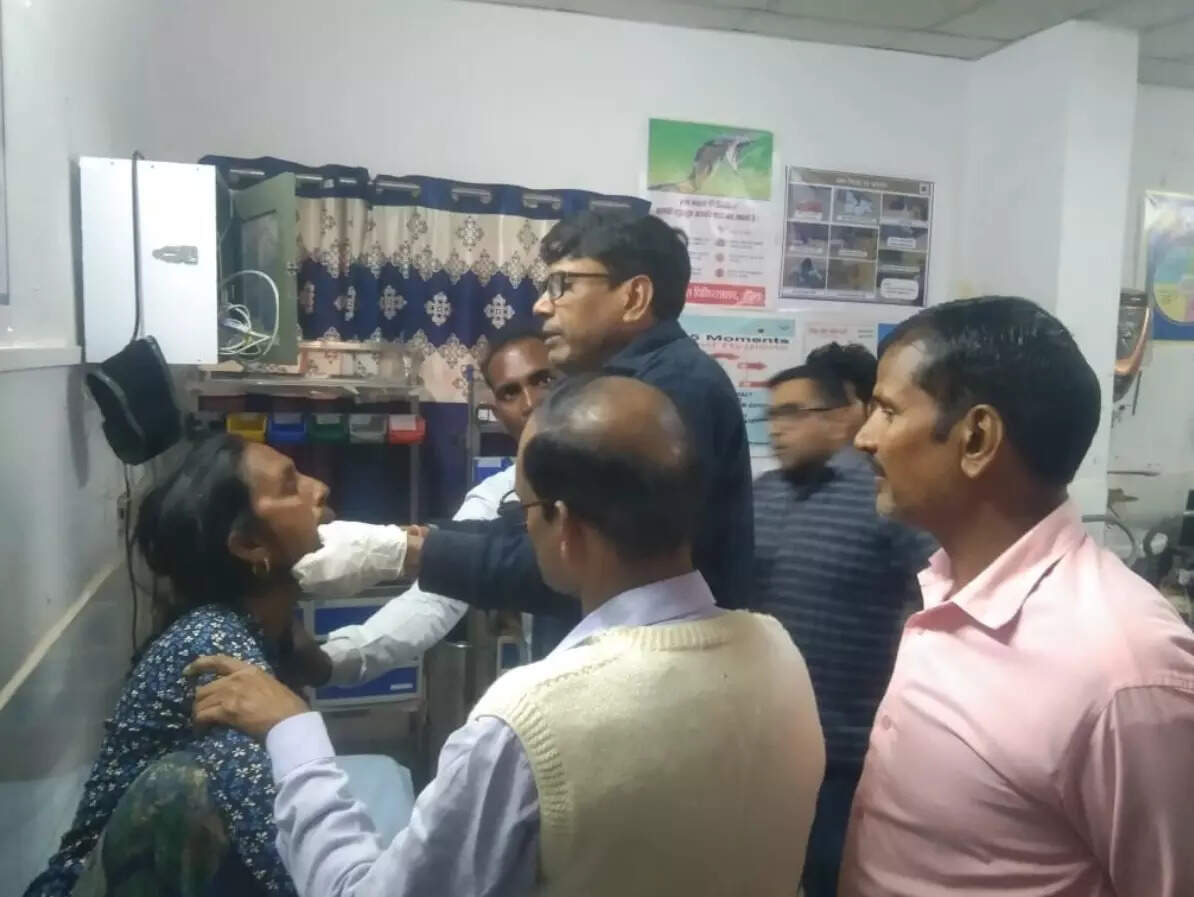
The incident took place on Saturday afternoon. Her family rushed her to the District Joint Hospital, where doctors provided first aid. But every attempt to reset her jaw failed. Dr Manoj Kumar and Dr Shatrughan Singh tried aligning the jaw at least twice, but the joint simply wouldn’t return to its place. Eventually, she was referred to Chicholi Medical College for specialised treatment under a dental expert.
Temporomandibular Disorder refers to problems involving the jaw muscles, the temporomandibular joints (TMJ), and the nerves that connect facial movement. When this delicate system of muscles, bones, and ligaments fails to coordinate smoothly, it can result in pain, stiffness, or sudden locking of the jaw.
The TMJ is one of the most complex joints in the human body. Located in front of each ear, it helps the jaw move up, down, and side to side. These joints allow you to talk, chew, yawn, and make facial expressions. When something disrupts this mechanism, even slightly, symptoms can surface quickly.
1. Myofascial Pain: This is the most common form. It causes soreness in the jaw muscles, neck, shoulders, and the surrounding fascia. People with this type often feel tightness or difficulty in jaw movement.
2. Internal Derangement of the Joint: This includes displaced joints, slipped or torn disks, and jaw dislocation , similar to what the woman in Auraiya experienced.
3. Degenerative Joint Disease: Conditions like osteoarthritis and rheumatoid arthritis affecting the jaw joint fall under this category.
What happened in Auraiya may sound like a one-in-a-million accident, but it highlights how delicate and crucial, our jaw joints are. Something as simple as enjoying golgappas can turn risky when underlying conditions like TMD are present or when the jaw is overstretched.
Being aware of symptoms and seeking early treatment can prevent minor discomfort from turning into major emergencies.
Disclaimer: This content, including advice, provides general information only. It is not a substitute for a qualified medical opinion. Always consult a doctor or specialist for accurate diagnosis and treatment.
The incident took place on Saturday afternoon. Her family rushed her to the District Joint Hospital, where doctors provided first aid. But every attempt to reset her jaw failed. Dr Manoj Kumar and Dr Shatrughan Singh tried aligning the jaw at least twice, but the joint simply wouldn’t return to its place. Eventually, she was referred to Chicholi Medical College for specialised treatment under a dental expert.
What Is Temporomandibular Disorder ?
Temporomandibular Disorder refers to problems involving the jaw muscles, the temporomandibular joints (TMJ), and the nerves that connect facial movement. When this delicate system of muscles, bones, and ligaments fails to coordinate smoothly, it can result in pain, stiffness, or sudden locking of the jaw. The TMJ is one of the most complex joints in the human body. Located in front of each ear, it helps the jaw move up, down, and side to side. These joints allow you to talk, chew, yawn, and make facial expressions. When something disrupts this mechanism, even slightly, symptoms can surface quickly.
Types of Temporomandibular Disorders
The National Institute of Dental and Craniofacial Research identifies three major types of TMD:1. Myofascial Pain: This is the most common form. It causes soreness in the jaw muscles, neck, shoulders, and the surrounding fascia. People with this type often feel tightness or difficulty in jaw movement.
2. Internal Derangement of the Joint: This includes displaced joints, slipped or torn disks, and
3. Degenerative Joint Disease: Conditions like osteoarthritis and rheumatoid arthritis affecting the jaw joint fall under this category.
Common Symptoms of TMD
While occasional clicking of the jaw with no pain is normal, the following symptoms are signs of TMD:- Persistent jaw pain or tenderness
- Frequent headaches, especially around the temples
- Facial pain extending to the neck, shoulder, or back
- Earaches, ringing, or fullness in the ears
- Popping or grinding sounds during jaw movement
- Locking of the jaw, either open or closed
- Difficulty in opening the mouth wide
- Teeth grinding or clenching, especially during sleep
- Dizziness or balance issues
- Sudden tooth sensitivity without dental problems
- Tingling or numbness in fingers
- A feeling that the upper and lower teeth no longer fit properly
What Causes TMD?
TMD doesn’t always come with a clear cause, but several factors may contribute:- Excessive Strain on Jaw Muscles and Joints: Chewing hard foods, wide yawning, or biting large pieces of food can stress the TMJ.
- Bruxism (Teeth Grinding): Habitual grinding or clenching, often linked to stress, puts continuous pressure on the jaw.
- Trauma or Injury: Any injury to the jaw, head, or neck can disturb the alignment of the TMJ.
- Arthritis: Both osteoarthritis and rheumatoid arthritis can damage the joint structure.
- Disk Displacement: When the cushioning disk inside the joint shifts out of place, it affects smooth movement.
How Is TMD Treated?
Treatment for TMD varies from person to person and depends on factors such as age, overall health, medical history, and the severity of the condition. The goal is to relieve pain, reduce strain on the jaw, and restore normal movement.Here are the commonly recommended treatments:
- Resting the Joint: Avoiding wide yawns, chewy foods, and excessive talking helps reduce strain.
- Medication: Pain relievers, anti-inflammatory medicines, or muscle relaxants may be prescribed.
- Stress & Behavioural Management: Relaxation techniques and breaking habits like nail biting or teeth clenching work well.
- Physical Therapy: Exercises to strengthen jaw muscles, improve posture, and ease stiffness.
- Mouthguards or Orthopedic Appliances: These prevent grinding during sleep and reduce nighttime stress on the jaw.
- Hot or Cold Therapy: Ice reduces inflammation, while heat eases muscle tension.
- Dietary Changes: Soft foods and smaller bites help rest the jaw muscles.
- Surgery: Rarely needed, but may be considered in severe or chronic cases.
What happened in Auraiya may sound like a one-in-a-million accident, but it highlights how delicate and crucial, our jaw joints are. Something as simple as enjoying golgappas can turn risky when underlying conditions like TMD are present or when the jaw is overstretched.
Being aware of symptoms and seeking early treatment can prevent minor discomfort from turning into major emergencies.
Disclaimer: This content, including advice, provides general information only. It is not a substitute for a qualified medical opinion. Always consult a doctor or specialist for accurate diagnosis and treatment.
Next Story