The History Behind Christmas Carols You Sing Every Year

Christmas isn’t just about twinkling lights, gifts, or Santa Claus, it’s also about music that fills the air with warmth and joy. Every year, millions of people hum, sing, and celebrate through Christmas carols . But have you ever wondered where these songs come from and why they are so timeless?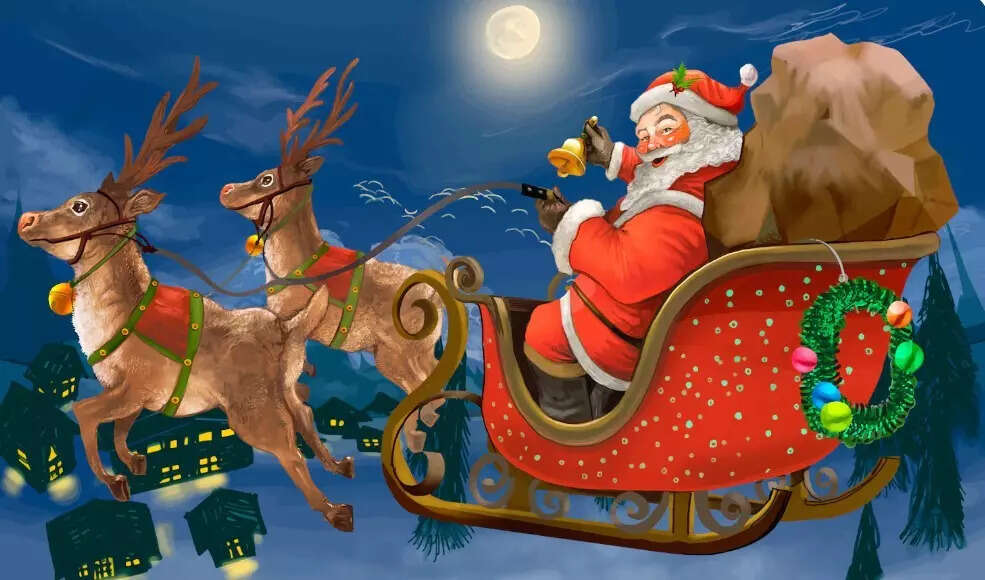
The carols you sing every year are more than just tunes, they are living pieces of history. From medieval dances to modern-day choirs, each melody carries the echoes of generations past, making Christmas a truly magical time. So next time you belt out “Jingle Bells” or “O Holy Night”, remember, you’re part of a centuries-old tradition that continues to bring people together.
Origins of Christmas Carols
The tradition of Christmas carols dates back to medieval Europe. Initially, carols were not strictly religious; they were festive songs sung during celebrations, often accompanied by dancing. The word “carol” itself comes from the French carole, meaning a circle dance with singing. Over time, carols began to focus more on the story of Christ’s birth.From Churches to Streets
By the 13th and 14th centuries, carols became popular in churches across Europe. Choirs performed elaborate songs during masses, while common folk sang simpler versions outside the church. This blending of sacred and secular music helped carols spread widely, turning them into a communal tradition that everyone could join.Famous Early Carols
Some of the oldest known carols, like “O Come, All Ye Faithful” and “God Rest Ye Merry, Gentlemen”, trace back to the 16th century. These songs often had strong religious messages, narrating the nativity story, praising Christ, or celebrating the spirit of giving and joy.Victorian Revival
The modern Christmas carol tradition we know today flourished during the Victorian era. In England, caroling became a popular pastime for families and communities. Iconic songs like “Silent Night” and “Hark! The Herald Angels Sing” gained immense popularity, spreading to other countries via immigrants and missionaries.Caroling Around the World
Today, every culture adds its own flavor to Christmas carols. In Germany, children sing Stille Nacht in homes; in the Philippines, groups perform Simbang Gabi carols; and in the U.S., neighborhoods host caroling sessions to spread cheer. Each song carries centuries of history, connecting generations through shared joy.Why We Still Sing Them
Christmas carols endure because they evoke nostalgia, togetherness, and the holiday spirit. Beyond the religious meaning, they remind us of joy, kindness, and celebration, universal themes that resonate no matter where or how Christmas is celebrated.The carols you sing every year are more than just tunes, they are living pieces of history. From medieval dances to modern-day choirs, each melody carries the echoes of generations past, making Christmas a truly magical time. So next time you belt out “Jingle Bells” or “O Holy Night”, remember, you’re part of a centuries-old tradition that continues to bring people together.
Next Story