French Court Orders PSG to Pay €60 Million to Kylian Mbappé in Unpaid Salaries Case.

In a landmark ruling that highlights the application of French labour law in professional football, a Paris labour court has ordered Paris Saint-Germain (PSG) to pay €60 million in unpaid salaries and bonuses to former France captain Kylian Mbappé. This decision concludes a bitter legal dispute arising from the final months of the French forward’s tenure at PSG before his free transfer to Real Madrid in 2024.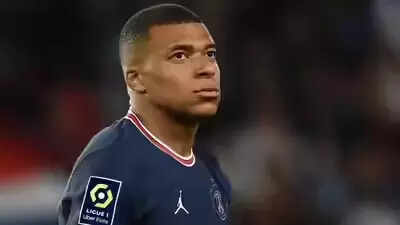
The court’s ruling, delivered on December 16, 2025, found that PSG failed to honour contractual commitments owed to Mbappé for April, May, and June 2024. These payments included his base salary, an ethics bonus, and a signing bonus. These amounts had previously been acknowledged by the French Professional Football League (LFP) in rulings last year, strengthening Mbappé’s case that PSG was contractually obligated to pay.
PSG argued that Mbappé forfeited these payments by choosing not to renew his contract, a move the club claimed cost them a transfer fee. The club also contended that there was a verbal agreement for Mbappé to waive part of his earnings during his reintegration into the squad in the 2023-24 season. However, the court dismissed PSG’s defence, noting that no written agreement existed to prove such a waiver, and emphasised that contract terms cannot be overridden without documented consent.
While the ruling mandates PSG to pay the sums within a specified timeframe, it does not necessarily end the wider legal battle. PSG acknowledged the decision and stated its intention to comply, but reserved the right to appeal, indicating the dispute could continue in higher courts.
Legal experts say this French labour court ruling has far-reaching implications beyond this case. By upholding Mbappé’s claims, the decision reinforces the principle that professional athletes enjoy contractual protections similar to any other employees - even in elite football, where informal practices and unwritten agreements are sometimes common.
Mbappé’s legal team welcomed the verdict, describing it as a reaffirmation that contractual commitments must be honoured and that players should not be pressured into forfeiting rights without clear documentation. They noted Mbappé’s efforts to resolve the dispute amicably before litigation, including withdrawing some complaints to facilitate conciliation, highlighting the prolonged nature of the case.
From PSG’s perspective, the ruling underscores the challenges of managing high-profile professional football contracts, which often include bespoke remuneration packages, performance incentives, loyalty bonuses, and other discretionary elements. PSG had also filed a counter-claim seeking hundreds of millions in damages, alleging a “loss of opportunity” due to Mbappé leaving on a free transfer after refusing contract extensions. Although the labour court did not grant these claims, the broader legal saga continues.
Mbappé’s departure marked the end of an era for PSG and French football. Over seven years, he set club records for goals and helped PSG achieve domestic dominance and push for continental success. Yet, the ensuing legal dispute serves as a reminder of the importance of clear football contract governance amid growing commercial and legal complexities.
As this high-profile case continues to unfold, football clubs across Europe may be prompted to reassess how they structure contracts and negotiate compensation, aiming to prevent similar football contract disputes in the future.
The court’s ruling, delivered on December 16, 2025, found that PSG failed to honour contractual commitments owed to Mbappé for April, May, and June 2024. These payments included his base salary, an ethics bonus, and a signing bonus. These amounts had previously been acknowledged by the French Professional Football League (LFP) in rulings last year, strengthening Mbappé’s case that PSG was contractually obligated to pay.
PSG argued that Mbappé forfeited these payments by choosing not to renew his contract, a move the club claimed cost them a transfer fee. The club also contended that there was a verbal agreement for Mbappé to waive part of his earnings during his reintegration into the squad in the 2023-24 season. However, the court dismissed PSG’s defence, noting that no written agreement existed to prove such a waiver, and emphasised that contract terms cannot be overridden without documented consent.
While the ruling mandates PSG to pay the sums within a specified timeframe, it does not necessarily end the wider legal battle. PSG acknowledged the decision and stated its intention to comply, but reserved the right to appeal, indicating the dispute could continue in higher courts.
Legal experts say this French labour court ruling has far-reaching implications beyond this case. By upholding Mbappé’s claims, the decision reinforces the principle that professional athletes enjoy contractual protections similar to any other employees - even in elite football, where informal practices and unwritten agreements are sometimes common.
Mbappé’s legal team welcomed the verdict, describing it as a reaffirmation that contractual commitments must be honoured and that players should not be pressured into forfeiting rights without clear documentation. They noted Mbappé’s efforts to resolve the dispute amicably before litigation, including withdrawing some complaints to facilitate conciliation, highlighting the prolonged nature of the case.
From PSG’s perspective, the ruling underscores the challenges of managing high-profile professional football contracts, which often include bespoke remuneration packages, performance incentives, loyalty bonuses, and other discretionary elements. PSG had also filed a counter-claim seeking hundreds of millions in damages, alleging a “loss of opportunity” due to Mbappé leaving on a free transfer after refusing contract extensions. Although the labour court did not grant these claims, the broader legal saga continues.
Mbappé’s departure marked the end of an era for PSG and French football. Over seven years, he set club records for goals and helped PSG achieve domestic dominance and push for continental success. Yet, the ensuing legal dispute serves as a reminder of the importance of clear football contract governance amid growing commercial and legal complexities.
As this high-profile case continues to unfold, football clubs across Europe may be prompted to reassess how they structure contracts and negotiate compensation, aiming to prevent similar football contract disputes in the future.
Next Story