Manchester United Manager Ruben Amorim Responds to Former Players’ Criticism as Team Faces Tough Season

Manchester United manager Ruben Amorim has acknowledged and accepted the growing criticism directed at him by some of the club’s former greats, even as he defends his managerial decisions amid a challenging Premier League season. United currently sit eighth in the league and have managed just two wins in their last six matches, a run that has left fans and pundits questioning the team’s progress under his leadership.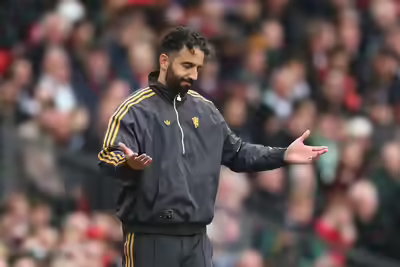
The criticism has come most notably from ex-United midfielder Paul Scholes, who publicly stated that Amorim might not be the right manager for the club because he does not fully understand its culture and identity. Scholes’s remarks, which resonated with other former players turned pundits, have intensified debate over United’s direction and Amorim’s tactical choices, especially as the club seeks to return to its traditional status among England’s elite.
Speaking to reporters ahead of United’s fixture against Bournemouth, Amorim did not shy away from the critiques. Instead, he accepted that the team’s results have been below expectations, conceding that “not winning is the issue,” and that as manager he must take responsibility for United’s underperformance. His stance reflects self-awareness about the pressures of managing one of English football’s most storied clubs, where high standards and historical success weigh heavily on current leadership.
Amorim also highlighted that some former players may be judging the current United side based on nostalgic comparisons to more successful eras, rather than the realities of the present situation. “Sometimes they (former players) don’t have all the information and they see Manchester United with the standards that they lived here,” he said, stressing that context matters when evaluating managerial performance.
One source of contention has been Amorim’s handling of young academy graduate Kobbie Mainoo. Despite Mainoo’s promising development, including starring for England in the UEFA Euro 2024 final and scoring in United’s FA Cup win over Manchester City earlier in the year, he has only made limited substitute appearances this season. Scholes and others have criticised the decision to keep the 20-year-old predominantly on the bench.
In response, Amorim said he would be “really pleased” if Mainoo initiated a conversation about a potential loan move in the January transfer window, indicating the club’s willingness to consider pathways that benefit individual players’ development. He emphasised that his priority is for players to be happy and fulfilled in their careers, yet reaffirmed that his focus remains on team performance.
United’s broader struggles this season have heightened scrutiny on Amorim’s leadership. While the club is traditionally a force in the Premier League, its inconsistent form has raised questions about tactics, player utilisation, and whether the Portuguese manager’s philosophy aligns with United’s long-term vision. Supporters’ patience is being tested as results fluctuate and expectations remain high.
Despite the criticism, Amorim appears resolved to stick to his approach while acknowledging areas for improvement. His acceptance of scrutiny from former players underlines an understanding of the intense spotlight at Old Trafford, one that demands both accountability and resilience. As United prepares for the remainder of the season, the manager’s capacity to balance criticism with performance may prove crucial in defining his tenure and, potentially, the club’s trajectory in domestic football.
The criticism has come most notably from ex-United midfielder Paul Scholes, who publicly stated that Amorim might not be the right manager for the club because he does not fully understand its culture and identity. Scholes’s remarks, which resonated with other former players turned pundits, have intensified debate over United’s direction and Amorim’s tactical choices, especially as the club seeks to return to its traditional status among England’s elite.
Speaking to reporters ahead of United’s fixture against Bournemouth, Amorim did not shy away from the critiques. Instead, he accepted that the team’s results have been below expectations, conceding that “not winning is the issue,” and that as manager he must take responsibility for United’s underperformance. His stance reflects self-awareness about the pressures of managing one of English football’s most storied clubs, where high standards and historical success weigh heavily on current leadership.
Amorim also highlighted that some former players may be judging the current United side based on nostalgic comparisons to more successful eras, rather than the realities of the present situation. “Sometimes they (former players) don’t have all the information and they see Manchester United with the standards that they lived here,” he said, stressing that context matters when evaluating managerial performance.
One source of contention has been Amorim’s handling of young academy graduate Kobbie Mainoo. Despite Mainoo’s promising development, including starring for England in the UEFA Euro 2024 final and scoring in United’s FA Cup win over Manchester City earlier in the year, he has only made limited substitute appearances this season. Scholes and others have criticised the decision to keep the 20-year-old predominantly on the bench.
In response, Amorim said he would be “really pleased” if Mainoo initiated a conversation about a potential loan move in the January transfer window, indicating the club’s willingness to consider pathways that benefit individual players’ development. He emphasised that his priority is for players to be happy and fulfilled in their careers, yet reaffirmed that his focus remains on team performance.
United’s broader struggles this season have heightened scrutiny on Amorim’s leadership. While the club is traditionally a force in the Premier League, its inconsistent form has raised questions about tactics, player utilisation, and whether the Portuguese manager’s philosophy aligns with United’s long-term vision. Supporters’ patience is being tested as results fluctuate and expectations remain high.
Despite the criticism, Amorim appears resolved to stick to his approach while acknowledging areas for improvement. His acceptance of scrutiny from former players underlines an understanding of the intense spotlight at Old Trafford, one that demands both accountability and resilience. As United prepares for the remainder of the season, the manager’s capacity to balance criticism with performance may prove crucial in defining his tenure and, potentially, the club’s trajectory in domestic football.
Next Story