Messi’s GOAT India Tour Ends in Delhi After Kolkata Chaos and Massive Fan Fervour

Lionel Messi’s whirlwind GOAT India Tour 2025 ended on a high note in New Delhi on Monday, closing a four-city journey that showcased exhilarating fan enthusiasm, logistical challenges, and a reminder of the deep love for football in a nation dominated by cricket. The Argentina legend’s final stop at Arun Jaitley Stadium drew thousands of supporters who came with banners, chants, and colorful confetti to celebrate one of the greatest players in the sport.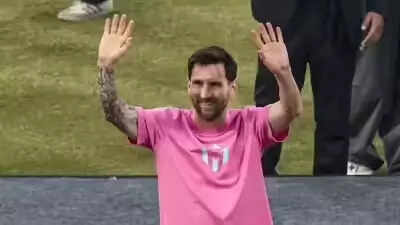
Messi arrived alongside his Inter Miami teammates Luis Suárez and Rodrigo De Paul, engaging warmly with fans and soaking in the electric atmosphere. The crowd’s passion was palpable as spectators waved Argentina jerseys and cheered every glimpse of the three stars, reflecting intense admiration for Messi’s storied career. Limited access meant many spectators could barely see Messi, and competition for selfies and photos among VIPs and officials further obscured the view from general seating.
In contrast, the earlier leg of the tour in Kolkata was marked by high expectations clashing with organisational failures. At Salt Lake Stadium, thousands gathered, having paid significant sums for tickets. However, what was expected to be an extended session turned into a brief 20-minute visit, leaving fans frustrated and feeling short-changed.
Frustration boiled over when fans began throwing bottles, chairs, and other objects onto the pitch, and sections of the crowd spilled onto the field, causing damage to seating and banners. Police eventually regained control, and the chief organiser of the Kolkata event was detained following complaints of poor planning and safety lapses. West Bengal Chief Minister Mamata Banerjee publicly apologised, and investigations were launched to determine the causes of the breakdown in crowd management.
The Kolkata incident highlighted the logistical difficulties of hosting high-profile international sports events in India, particularly in venues unaccustomed to managing large football crowds. Many attendees voiced outrage on social media and in interviews, saying they had paid steep prices but were left disappointed and unable to properly witness Messi.
In contrast, events in Hyderabad and Mumbai were praised for smoother execution. In Hyderabad, Messi participated in staged football activities and engaged with local dignitaries, while in Mumbai he received a warm reception and interacted more freely with fans, including gifting jerseys and taking photos with noted Indian personalities.
Despite the early turbulence, Messi’s India tour highlighted not only his enduring global appeal but also the latent enthusiasm for football in the country. Fans young and old travelled long distances, donned their jerseys, and made the most of their moments with their hero. Many spectators in Delhi told local media that the opportunity to see Messi in person was a dream come true, even as discussions about improving crowd management and sports infrastructure continue.
The tour also served as a symbolic moment for Indian football, which remains low in FIFA rankings and struggles to find commercial partners for its top league. Messi’s presence, even amid chaos, sparked conversations about nurturing talent and building better sporting frameworks in a country eager for broader success in global football.
Messi arrived alongside his Inter Miami teammates Luis Suárez and Rodrigo De Paul, engaging warmly with fans and soaking in the electric atmosphere. The crowd’s passion was palpable as spectators waved Argentina jerseys and cheered every glimpse of the three stars, reflecting intense admiration for Messi’s storied career. Limited access meant many spectators could barely see Messi, and competition for selfies and photos among VIPs and officials further obscured the view from general seating.
In contrast, the earlier leg of the tour in Kolkata was marked by high expectations clashing with organisational failures. At Salt Lake Stadium, thousands gathered, having paid significant sums for tickets. However, what was expected to be an extended session turned into a brief 20-minute visit, leaving fans frustrated and feeling short-changed.
Frustration boiled over when fans began throwing bottles, chairs, and other objects onto the pitch, and sections of the crowd spilled onto the field, causing damage to seating and banners. Police eventually regained control, and the chief organiser of the Kolkata event was detained following complaints of poor planning and safety lapses. West Bengal Chief Minister Mamata Banerjee publicly apologised, and investigations were launched to determine the causes of the breakdown in crowd management.
The Kolkata incident highlighted the logistical difficulties of hosting high-profile international sports events in India, particularly in venues unaccustomed to managing large football crowds. Many attendees voiced outrage on social media and in interviews, saying they had paid steep prices but were left disappointed and unable to properly witness Messi.
In contrast, events in Hyderabad and Mumbai were praised for smoother execution. In Hyderabad, Messi participated in staged football activities and engaged with local dignitaries, while in Mumbai he received a warm reception and interacted more freely with fans, including gifting jerseys and taking photos with noted Indian personalities.
Despite the early turbulence, Messi’s India tour highlighted not only his enduring global appeal but also the latent enthusiasm for football in the country. Fans young and old travelled long distances, donned their jerseys, and made the most of their moments with their hero. Many spectators in Delhi told local media that the opportunity to see Messi in person was a dream come true, even as discussions about improving crowd management and sports infrastructure continue.
The tour also served as a symbolic moment for Indian football, which remains low in FIFA rankings and struggles to find commercial partners for its top league. Messi’s presence, even amid chaos, sparked conversations about nurturing talent and building better sporting frameworks in a country eager for broader success in global football.
Next Story