
Same PIN for Everything? How It Can Expose Your Financial Data

In daily life, convenience often wins. When work is busy, notifications keep coming, and passwords already feel endless, using the same PIN everywhere can seem practical. It is easy to remember, easy to type, and one less thing to worry about. But behind that convenience sits a quiet problem that many people underestimate.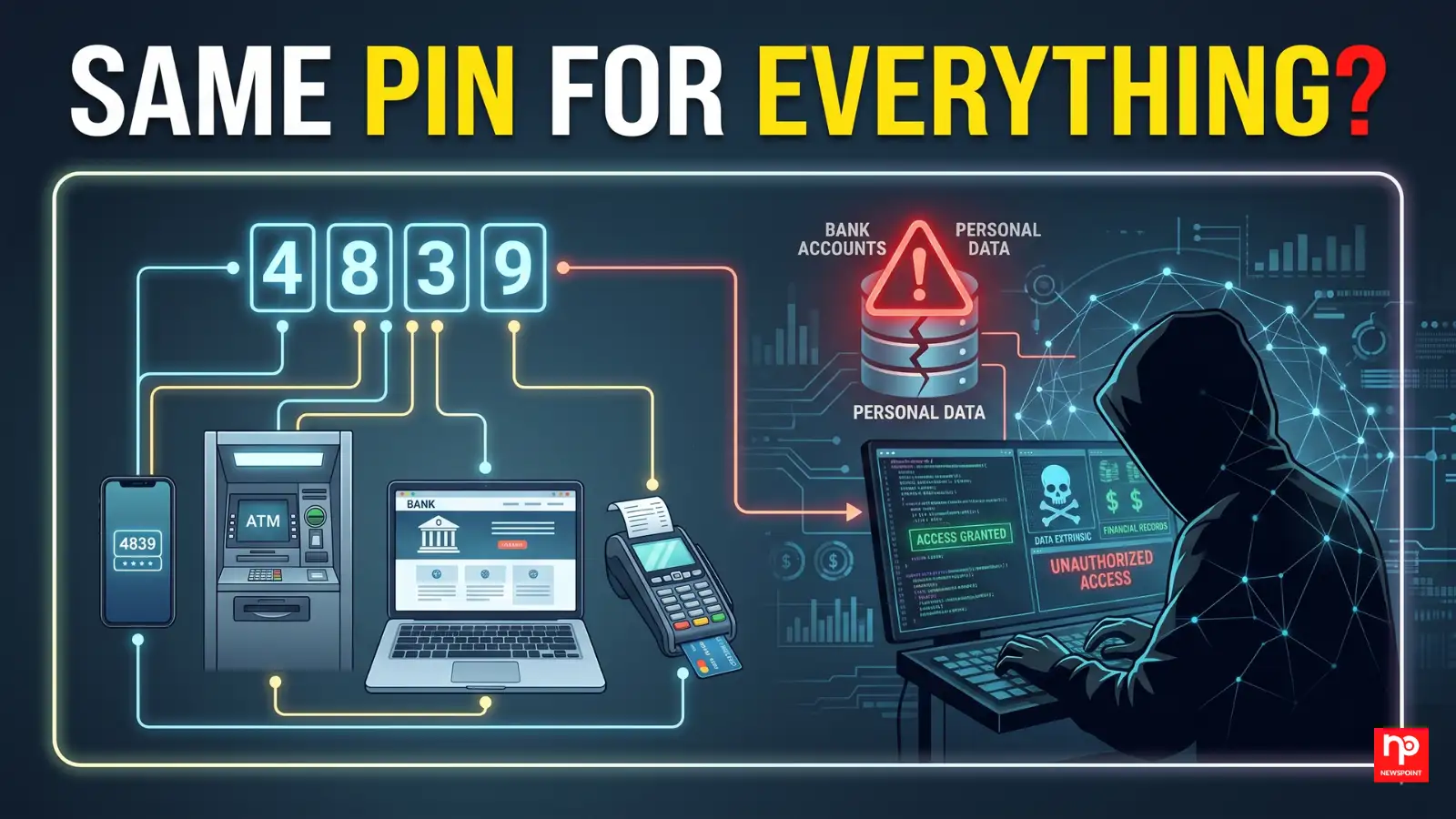
A single PIN can become the key to several parts of your life at once. Your phone is not just a device anymore. It holds messages, saved cards, banking apps, digital wallets, personal documents, photos, and access to accounts that connect almost every part of your day. When the same number protects all of them, the security wall becomes much thinner than it appears.
Think of a clever fox, a patient owl, or even a quick squirrel. In the natural world, the smallest opening can be enough. Digital security works in much the same way. One weak habit can quietly create more exposure than most people realize.
Between passwords, OTPs, login codes, and app security checks, remembering separate numbers for different services feels unnecessary. A familiar PIN feels safe because it feels personal. Many people assume that because only they know it, it must be secure.
But familiarity is not the same as protection.
The problem is not that a PIN exists. The problem begins when one number becomes the master key to multiple systems. If your mobile security, banking PIN, and payment PIN all rely on the same digits, one successful guess or one moment of exposure can suddenly affect much more than expected.
That is where the real risk begins to grow.
A modern smartphone is often the center of personal and financial life. It stores emails, payment apps, banking access, notes, contact lists, identity details, and sometimes even work-related information. It often remembers things for us so we do not have to.
Now imagine the role of a single PIN in that setup.
If the same code unlocks the device and also protects financial apps, that PIN does not just open one door. It opens several. Once inside, a person may not need to break through multiple layers. The layers may already match.
This is why PIN security matters more today than it did a few years ago. The number itself may be small, but the access it controls is enormous.
Reusing one PIN creates a chain reaction. If one point becomes vulnerable, the rest can become vulnerable too. Not necessarily because every system is weak, but because the same number keeps appearing at important checkpoints.
Think about how many times you enter that PIN in public spaces. On a train, at a café, in an office lobby, at a checkout counter, or while standing in a queue. A brief glance, a moment of distraction, or a visible hand movement may reveal more than you intended.
And once a repeated number is known, it becomes much more useful.
This is where digital privacy and financial security quietly overlap. It is not only about money. It is also about access, identity, stored information, and control.
A rabbit survives by reacting quickly. A turtle survives by staying protected. In digital life, slow and careful often beats fast and convenient.
People often think serious security problems happen only after something dramatic. A hacked account. A missing balance. A suspicious transaction. But risk often starts much earlier, in habits that feel harmless.
Using one PIN everywhere feels harmless because nothing seems wrong at first.
There is also a common belief that short codes are not important enough to attract attention. But attackers do not always chase complexity. They often look for predictability. Repetition creates predictability. And predictability makes systems easier to navigate.
That is why phone security cannot be treated separately from payment safety anymore. They are more connected than most people realize.
But convenience becomes risky when it removes healthy friction.
A separate PIN for your phone, another for banking, and another for payment approval may feel slightly inconvenient. Yet that inconvenience creates distance between systems. It means one compromised number does not automatically affect everything else.
That little bit of separation matters.
A deer stays alert not because danger is always present, but because staying alert improves survival. Digital habits work the same way. Small precautions often prevent larger problems.
A strong approach begins with one simple principle: do not let one number control everything.
Different PINs create different barriers. They slow down unauthorized access. They reduce the chance of one weak moment turning into a much bigger issue.
It also helps to avoid predictable number patterns, repeated sequences, and personally meaningful dates that can be guessed more easily. The safest codes are often the ones that do not feel emotionally memorable.
This is where cyber safety becomes practical, not technical. You do not need advanced knowledge. You just need slightly better habits.
A single PIN can become the key to several parts of your life at once. Your phone is not just a device anymore. It holds messages, saved cards, banking apps, digital wallets, personal documents, photos, and access to accounts that connect almost every part of your day. When the same number protects all of them, the security wall becomes much thinner than it appears.
Think of a clever fox, a patient owl, or even a quick squirrel. In the natural world, the smallest opening can be enough. Digital security works in much the same way. One weak habit can quietly create more exposure than most people realize.
Why Reusing the Same PIN Feels So Normal
The truth is simple. People reuse PINs because life is already full of things to remember.Between passwords, OTPs, login codes, and app security checks, remembering separate numbers for different services feels unnecessary. A familiar PIN feels safe because it feels personal. Many people assume that because only they know it, it must be secure.
But familiarity is not the same as protection.
The problem is not that a PIN exists. The problem begins when one number becomes the master key to multiple systems. If your mobile security, banking PIN, and payment PIN all rely on the same digits, one successful guess or one moment of exposure can suddenly affect much more than expected.
That is where the real risk begins to grow.
Your Phone Is No Longer Just a Phone
Years ago, losing a phone was mostly inconvenient. Today, it can be deeply disruptive.A modern smartphone is often the center of personal and financial life. It stores emails, payment apps, banking access, notes, contact lists, identity details, and sometimes even work-related information. It often remembers things for us so we do not have to.
Now imagine the role of a single PIN in that setup.
If the same code unlocks the device and also protects financial apps, that PIN does not just open one door. It opens several. Once inside, a person may not need to break through multiple layers. The layers may already match.
This is why PIN security matters more today than it did a few years ago. The number itself may be small, but the access it controls is enormous.
The Hidden Chain Reaction
The real danger is not always immediate. That is why many people overlook it.Reusing one PIN creates a chain reaction. If one point becomes vulnerable, the rest can become vulnerable too. Not necessarily because every system is weak, but because the same number keeps appearing at important checkpoints.
Think about how many times you enter that PIN in public spaces. On a train, at a café, in an office lobby, at a checkout counter, or while standing in a queue. A brief glance, a moment of distraction, or a visible hand movement may reveal more than you intended.
And once a repeated number is known, it becomes much more useful.
This is where digital privacy and financial security quietly overlap. It is not only about money. It is also about access, identity, stored information, and control.
A rabbit survives by reacting quickly. A turtle survives by staying protected. In digital life, slow and careful often beats fast and convenient.
Why People Underestimate This Risk
Part of the reason is psychological.People often think serious security problems happen only after something dramatic. A hacked account. A missing balance. A suspicious transaction. But risk often starts much earlier, in habits that feel harmless.
Using one PIN everywhere feels harmless because nothing seems wrong at first.
There is also a common belief that short codes are not important enough to attract attention. But attackers do not always chase complexity. They often look for predictability. Repetition creates predictability. And predictability makes systems easier to navigate.
That is why phone security cannot be treated separately from payment safety anymore. They are more connected than most people realize.
Convenience Can Quietly Become a Weak Spot
Convenience is not bad. It helps daily life run smoothly.But convenience becomes risky when it removes healthy friction.
A separate PIN for your phone, another for banking, and another for payment approval may feel slightly inconvenient. Yet that inconvenience creates distance between systems. It means one compromised number does not automatically affect everything else.
That little bit of separation matters.
A deer stays alert not because danger is always present, but because staying alert improves survival. Digital habits work the same way. Small precautions often prevent larger problems.
A Smarter Way to Think About PIN Safety
Good security is not about fear. It is about reducing unnecessary exposure.A strong approach begins with one simple principle: do not let one number control everything.
Different PINs create different barriers. They slow down unauthorized access. They reduce the chance of one weak moment turning into a much bigger issue.
It also helps to avoid predictable number patterns, repeated sequences, and personally meaningful dates that can be guessed more easily. The safest codes are often the ones that do not feel emotionally memorable.
This is where cyber safety becomes practical, not technical. You do not need advanced knowledge. You just need slightly better habits.
Next Story