
How Screen-Sharing Apps Became a Major Fraud Tool in the Digital Age

A few years ago, screen-sharing apps felt like one of the most useful digital inventions. They made remote work easier, helped families solve phone problems from different cities, and allowed customer support teams to guide users step by step. Whether someone needed help setting up a payment app or fixing a software issue, sharing a screen felt quick, harmless, and convenient.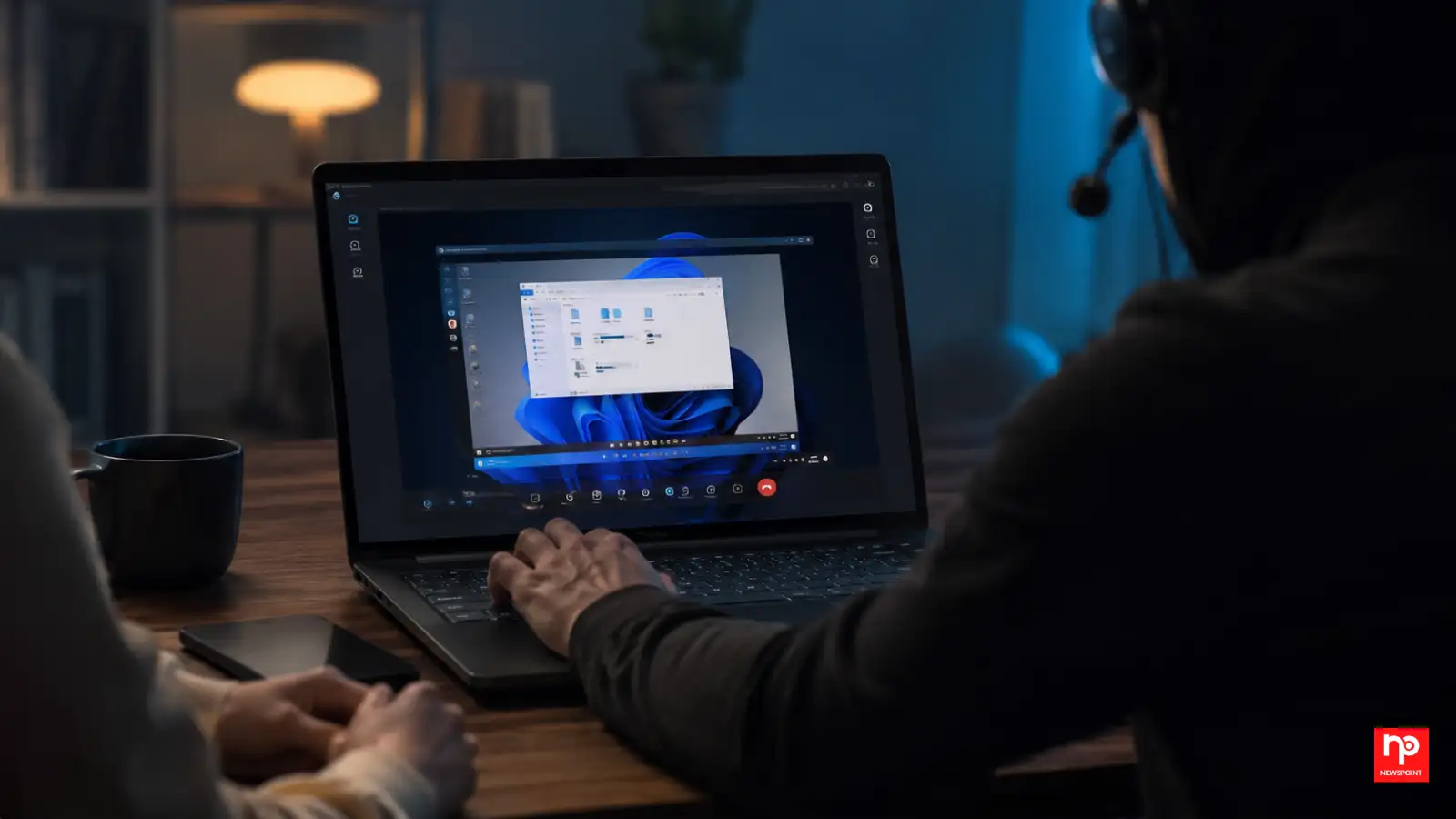
But somewhere along the way, this convenience opened a dangerous door.
Today, screen-sharing scams have quietly become one of the fastest-growing forms of online fraud . What once looked like a simple tech support feature is now being misused to steal money, access banking details, and manipulate people in real time. The worrying part is that many victims are not careless or uninformed. They are ordinary people trying to solve a problem quickly.
The rise of digital payments, online banking, and instant transactions has made screen-sharing fraud even more powerful. Fraudsters no longer need advanced hacking skills. In many cases, they simply convince people to hand over access willingly. Like a fox quietly entering a chicken coop or a snake hiding in tall grass, these scams often appear calm and harmless before causing damage.
Apps that allowed someone to “help remotely” suddenly became common tools. A person sitting hundreds of kilometers away could see another person’s screen and guide them through technical steps instantly. For businesses, this saved time. For users, it reduced frustration.
This convenience built trust around these apps.
Most people started viewing screen-sharing tools as normal utility apps rather than something risky. That mindset created the perfect environment for misuse. Once trust becomes automatic, people stop questioning what they are allowing others to see.
Fraudsters usually approach people while pretending to offer assistance. Sometimes they sound patient and professional. Sometimes they behave like a rushed customer support executive trying to “fix” a problem quickly. Their goal is not to hack devices directly. Their real goal is to control attention and create urgency.
Once screen sharing starts, the scam becomes far more dangerous.
A fraudster can watch every tap, every password entry, every banking notification, and every payment approval happening live on the screen. Even when passwords are hidden, patterns and actions reveal enough information to manipulate transactions.
This is why screen-sharing scams feel different from traditional cybercrime. Instead of breaking into systems forcefully, scammers guide victims into unknowingly opening the door themselves.
It works because humans naturally trust conversation. A calm voice often lowers suspicion faster than any technology can detect.
People often fall for scams when they are distracted, stressed, confused, or trying to solve an urgent issue. In those moments, critical thinking becomes weaker. The brain focuses on fixing the problem quickly rather than checking for warning signs.
Fraudsters understand this deeply.
They create situations where victims feel pressured to act immediately. Some use fear. Others use reassurance. Many mix both. This emotional manipulation is similar to how a wolf patiently waits before attacking rather than charging instantly. The fraud works slowly, step by step, until the victim realizes something is wrong.
Another major factor is digital overconfidence. Many users believe fraud only happens through suspicious links or unknown downloads. They do not realize that giving someone live visibility of their screen can be equally dangerous.
Earlier, financial theft often required physical cards, stolen documents, or lengthy banking procedures. Today, transactions happen within seconds. Once money is transferred digitally, recovering it becomes extremely difficult.
Screen-sharing apps fit perfectly into this fast-moving ecosystem.
A scammer watching a screen in real time can guide victims through payment approvals before they even fully understand what is happening. Notifications appear instantly, balances are visible, and payment confirmations happen within moments.
As more people shifted toward mobile banking and UPI-based payments, scammers adapted quickly. They realized that controlling attention for just a few minutes could be enough to drain accounts.
In many ways, digital convenience moved faster than digital awareness.
Highly educated professionals, business owners, students, and elderly users can all become targets. Fraud does not always depend on technical knowledge. It depends on timing, pressure, and trust.
A tired person rushing between meetings may ignore warning signs. An elderly user trying to complete an online task may trust anyone sounding helpful. A student dealing with payment confusion may panic and follow instructions quickly.
Scammers study human behavior carefully. They understand hesitation, confusion, and urgency better than many people realize.
Like a chameleon blending into its surroundings, modern fraud constantly changes its appearance to look believable.
People should remember one simple rule: no genuine financial institution or secure service needs unrestricted screen access to process refunds, solve payment issues, or verify accounts.
It is also important to slow down during unexpected digital interactions. Fraud succeeds when people react emotionally instead of thoughtfully. Taking even a minute to question a request can prevent serious damage.
Users should avoid sharing screens while banking, entering passwords, checking OTPs, or accessing sensitive financial apps. Even trusted-looking conversations should be treated carefully.
Technology continues to evolve, but human caution still matters the most.
But somewhere along the way, this convenience opened a dangerous door.
Today, screen-sharing scams have quietly become one of the fastest-growing forms of online fraud . What once looked like a simple tech support feature is now being misused to steal money, access banking details, and manipulate people in real time. The worrying part is that many victims are not careless or uninformed. They are ordinary people trying to solve a problem quickly.
The rise of digital payments, online banking, and instant transactions has made screen-sharing fraud even more powerful. Fraudsters no longer need advanced hacking skills. In many cases, they simply convince people to hand over access willingly. Like a fox quietly entering a chicken coop or a snake hiding in tall grass, these scams often appear calm and harmless before causing damage.
Why Screen-Sharing Apps Became So Popular
The popularity of screen-sharing apps exploded during the shift toward digital lifestyles. People became comfortable handling almost everything online, from paying electricity bills to ordering groceries and managing investments.Apps that allowed someone to “help remotely” suddenly became common tools. A person sitting hundreds of kilometers away could see another person’s screen and guide them through technical steps instantly. For businesses, this saved time. For users, it reduced frustration.
This convenience built trust around these apps.
Most people started viewing screen-sharing tools as normal utility apps rather than something risky. That mindset created the perfect environment for misuse. Once trust becomes automatic, people stop questioning what they are allowing others to see.
How Fraudsters Turned Convenience Into a Weapon
Modern scams rarely begin with panic. They often start with politeness.Fraudsters usually approach people while pretending to offer assistance. Sometimes they sound patient and professional. Sometimes they behave like a rushed customer support executive trying to “fix” a problem quickly. Their goal is not to hack devices directly. Their real goal is to control attention and create urgency.
Once screen sharing starts, the scam becomes far more dangerous.
A fraudster can watch every tap, every password entry, every banking notification, and every payment approval happening live on the screen. Even when passwords are hidden, patterns and actions reveal enough information to manipulate transactions.
This is why screen-sharing scams feel different from traditional cybercrime. Instead of breaking into systems forcefully, scammers guide victims into unknowingly opening the door themselves.
It works because humans naturally trust conversation. A calm voice often lowers suspicion faster than any technology can detect.
The Psychology Behind These Scams
One reason these frauds are increasing is because they target emotions more than devices.People often fall for scams when they are distracted, stressed, confused, or trying to solve an urgent issue. In those moments, critical thinking becomes weaker. The brain focuses on fixing the problem quickly rather than checking for warning signs.
Fraudsters understand this deeply.
They create situations where victims feel pressured to act immediately. Some use fear. Others use reassurance. Many mix both. This emotional manipulation is similar to how a wolf patiently waits before attacking rather than charging instantly. The fraud works slowly, step by step, until the victim realizes something is wrong.
Another major factor is digital overconfidence. Many users believe fraud only happens through suspicious links or unknown downloads. They do not realize that giving someone live visibility of their screen can be equally dangerous.
Why Digital Payments Increased the Risk
The growth of instant payment systems changed the fraud landscape completely.Earlier, financial theft often required physical cards, stolen documents, or lengthy banking procedures. Today, transactions happen within seconds. Once money is transferred digitally, recovering it becomes extremely difficult.
Screen-sharing apps fit perfectly into this fast-moving ecosystem.
A scammer watching a screen in real time can guide victims through payment approvals before they even fully understand what is happening. Notifications appear instantly, balances are visible, and payment confirmations happen within moments.
As more people shifted toward mobile banking and UPI-based payments, scammers adapted quickly. They realized that controlling attention for just a few minutes could be enough to drain accounts.
In many ways, digital convenience moved faster than digital awareness.
Why Even Smart People Fall for These Tricks
There is a common myth that only inexperienced users become victims of online fraud. Reality is very different.Highly educated professionals, business owners, students, and elderly users can all become targets. Fraud does not always depend on technical knowledge. It depends on timing, pressure, and trust.
A tired person rushing between meetings may ignore warning signs. An elderly user trying to complete an online task may trust anyone sounding helpful. A student dealing with payment confusion may panic and follow instructions quickly.
Scammers study human behavior carefully. They understand hesitation, confusion, and urgency better than many people realize.
You may also like
- India's digital growth outpaces cybersecurity preparedness: Report
- Google, Apple bring end-to-end encryption to RCS messaging
- Nvidia CEO Jensen Huang beats Michael Dell in 'world's richest' list just days after Donald Trump thanked Dell family by name and told Americans that ...
- Peak XV, YC, Ribbit gain after Groww IPO lock-in expiry
- Google Search faces outage, users report '500 Internal Server Error'
Like a chameleon blending into its surroundings, modern fraud constantly changes its appearance to look believable.
How People Can Stay Safe
Awareness remains the strongest defense against screen-sharing scams.People should remember one simple rule: no genuine financial institution or secure service needs unrestricted screen access to process refunds, solve payment issues, or verify accounts.
It is also important to slow down during unexpected digital interactions. Fraud succeeds when people react emotionally instead of thoughtfully. Taking even a minute to question a request can prevent serious damage.
Users should avoid sharing screens while banking, entering passwords, checking OTPs, or accessing sensitive financial apps. Even trusted-looking conversations should be treated carefully.
Technology continues to evolve, but human caution still matters the most.






More from our partners


Loving Newspoint? Download the app now
